
Yellowstone Through a Photographer's Eye — What the Park Taught Me About Seeing
Yellowstone Through a Photographer's Eye
Our recent family trip covered more than 3,400 miles across California, Nevada, Utah, Wyoming, Colorado, Montana, and Idaho. The reason was deeply personal — our son Ryan graduated from the University of Wyoming with a degree in construction management and commissioned into the United States Army. Having our entire family together for that made the whole experience meaningful in ways that are hard to put into words.
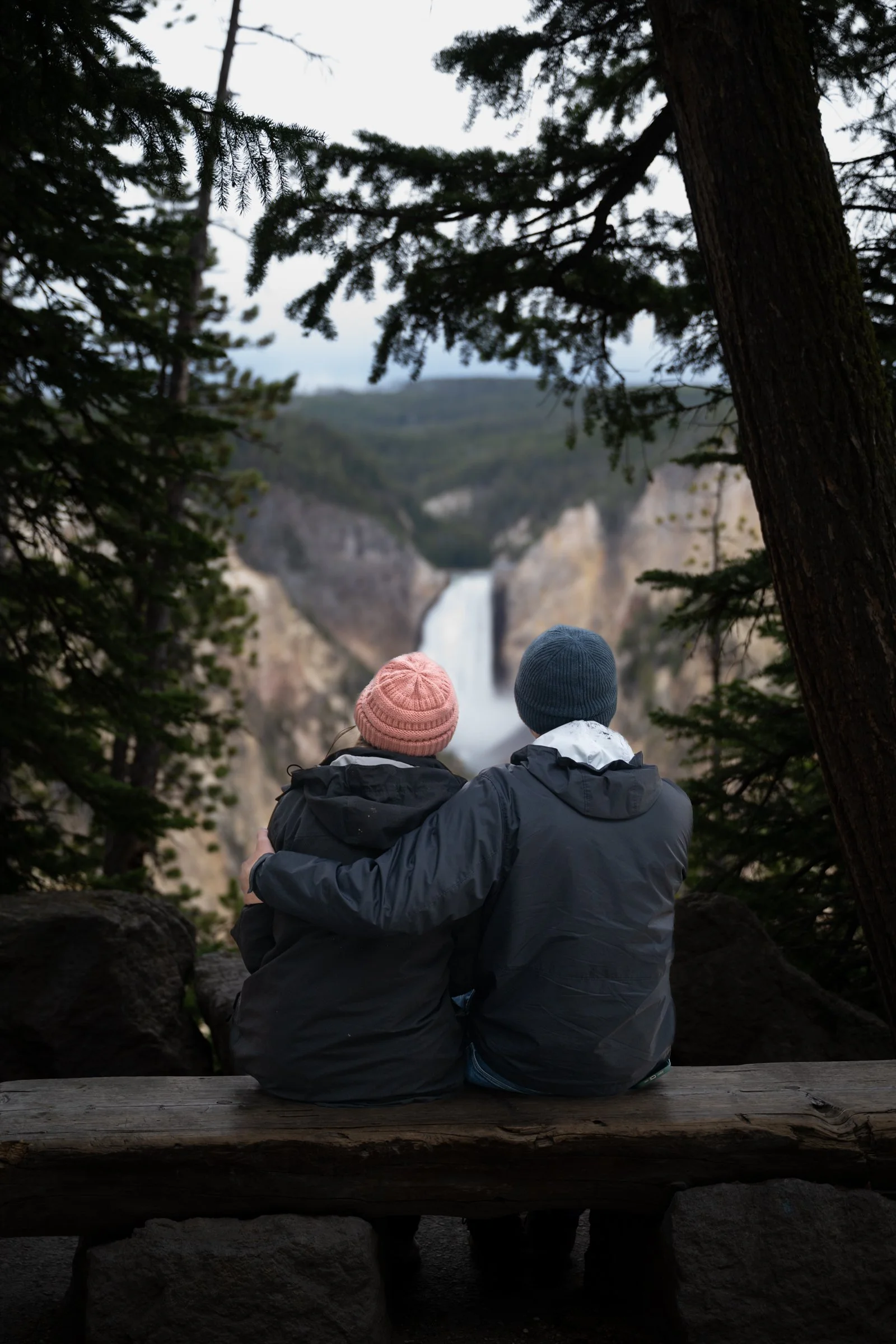
But somewhere during the trip, Yellowstone quietly became one of the most creatively inspiring places I've experienced as a photographer.
A First Visit — and Why One Day Isn't Enough
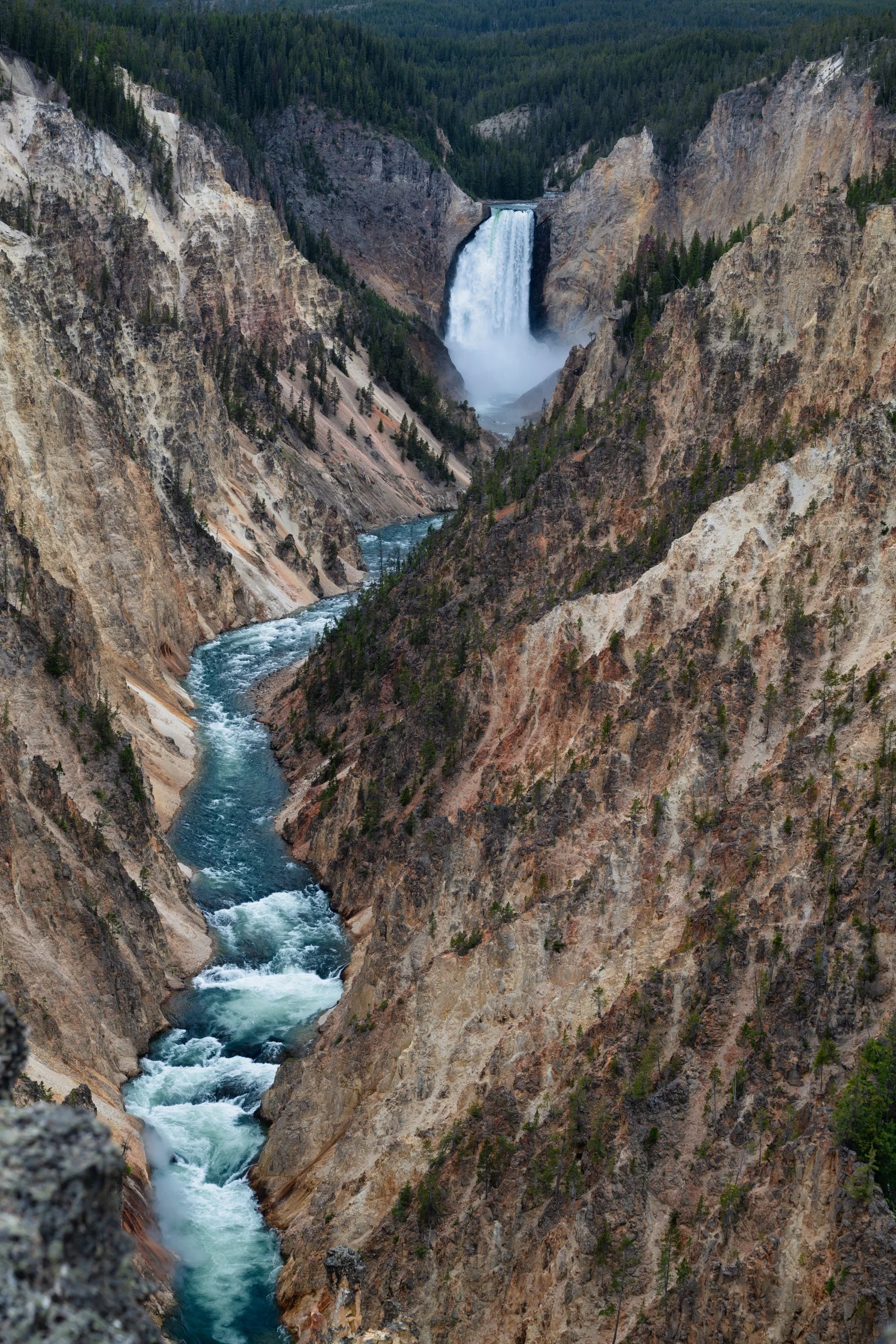
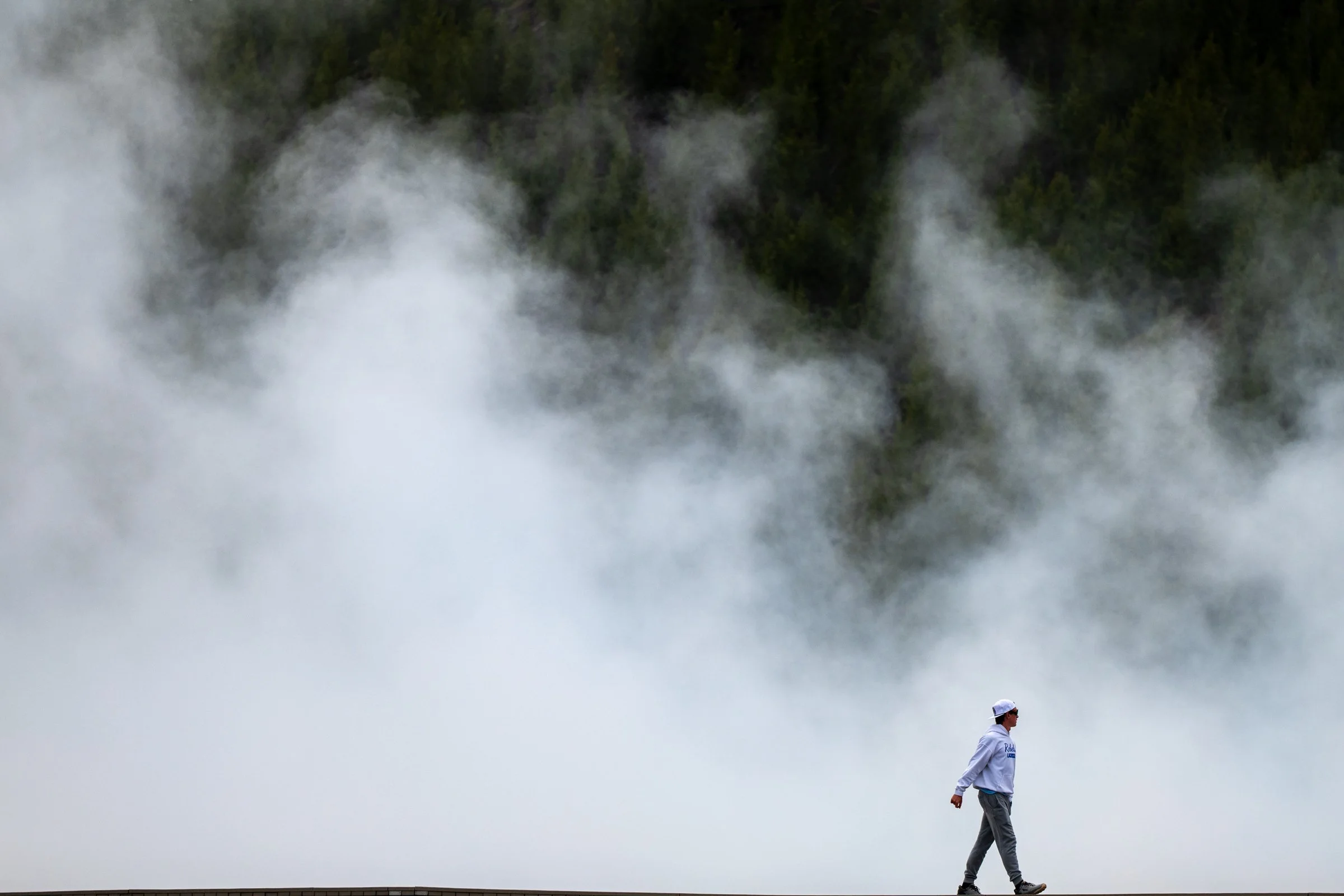
It was my first time in Yellowstone National Park, and I quickly understood why people come back year after year. The weather shifted constantly during our time there, which turned out to be a gift photographically. Snow moved through the mountains unexpectedly. Steam drifted across geothermal fields. Storm clouds rolled over the Tetons while shafts of light broke through for only seconds at a time. The landscape never stopped changing.
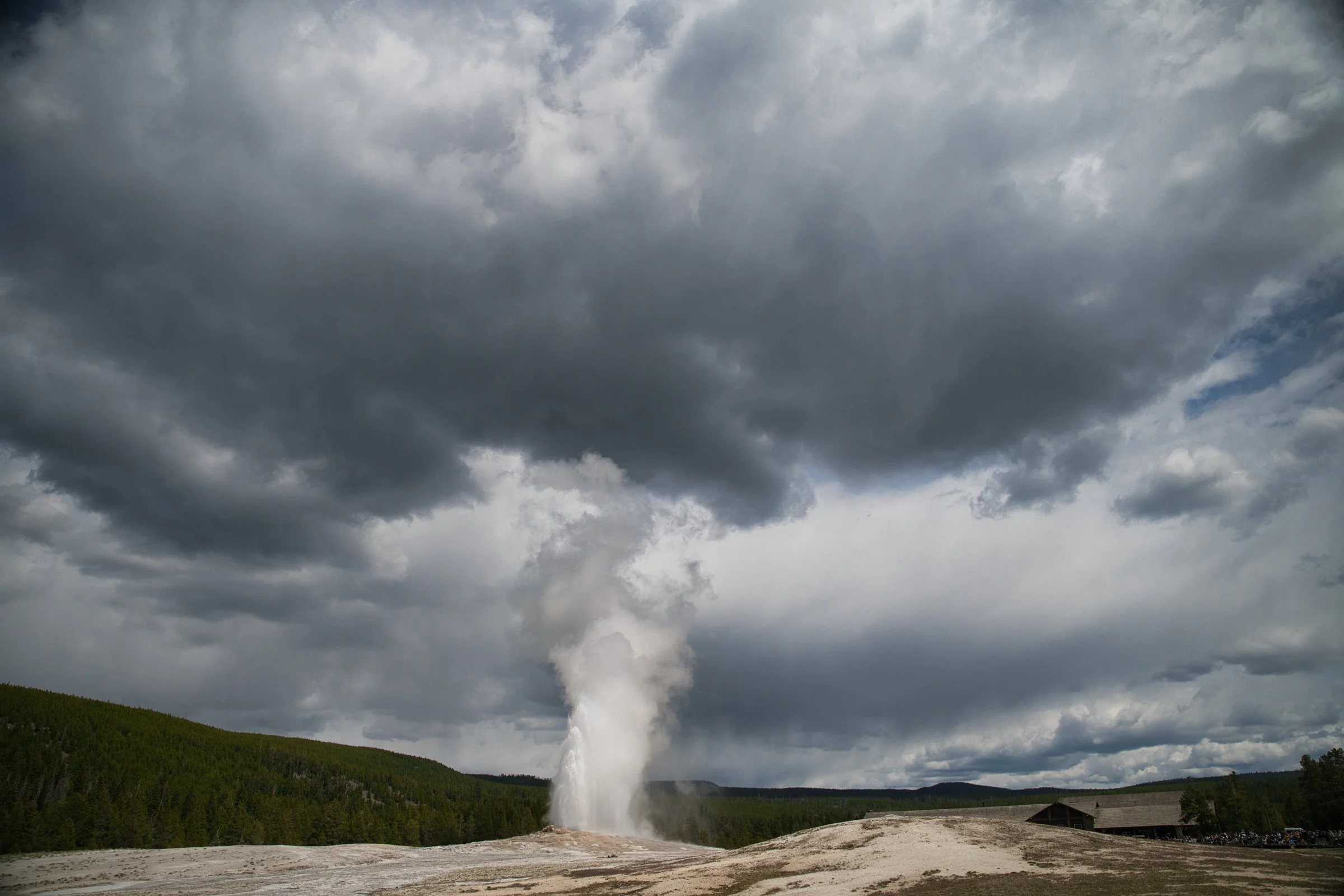
Old Faithful was one of the first stops, and even a landmark that iconic earns your full attention when a storm is building behind it. The sky made the shot.
What Photography Actually Does to an Experience
As photographers, we often hear that cameras pull us out of the moment. For me, it's the exact opposite.
Photography immerses me in an environment. It sharpens my awareness of light, weather, atmosphere, movement, and timing. I notice details most people walk right past. In Yellowstone, that feeling was amplified at every turn.
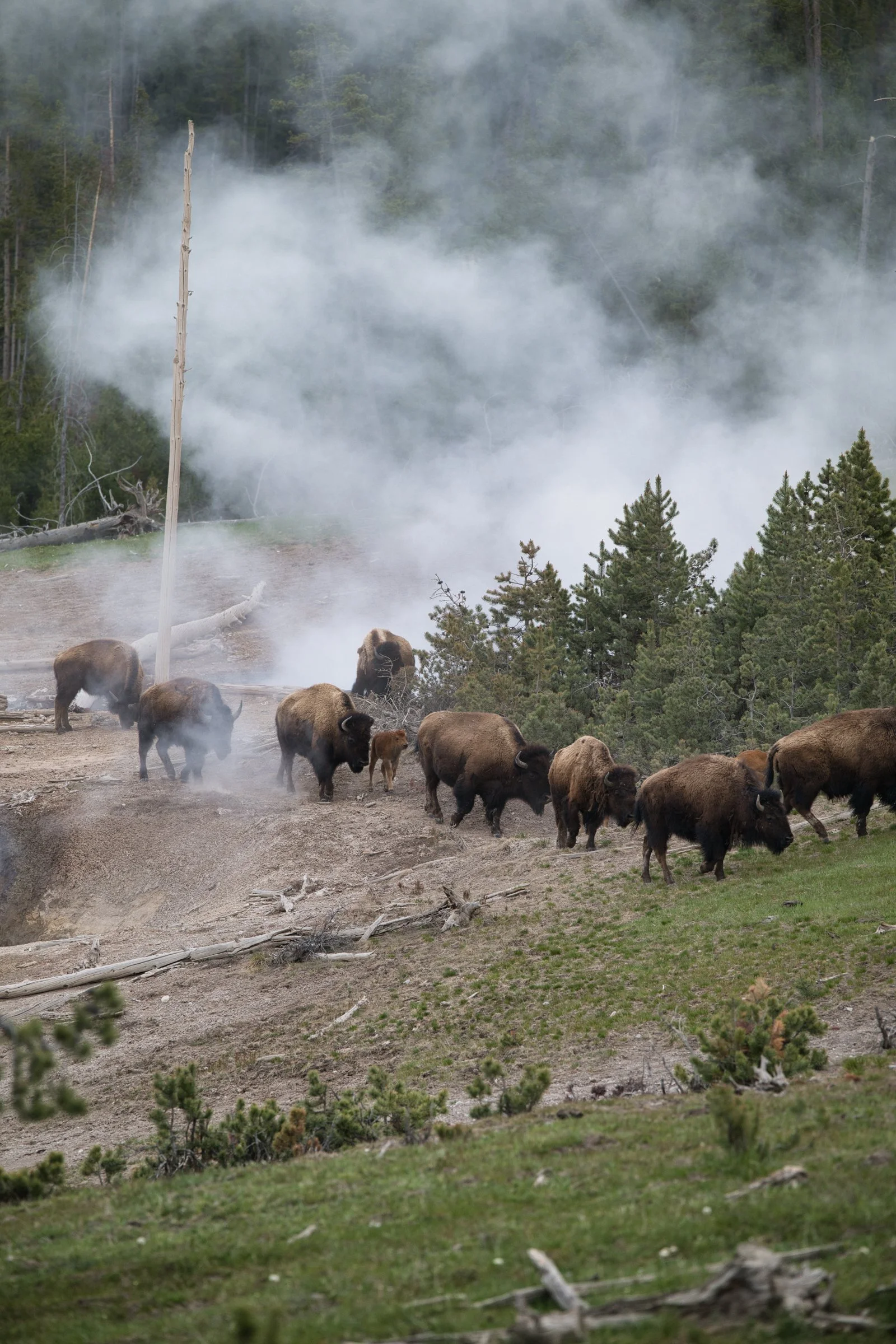
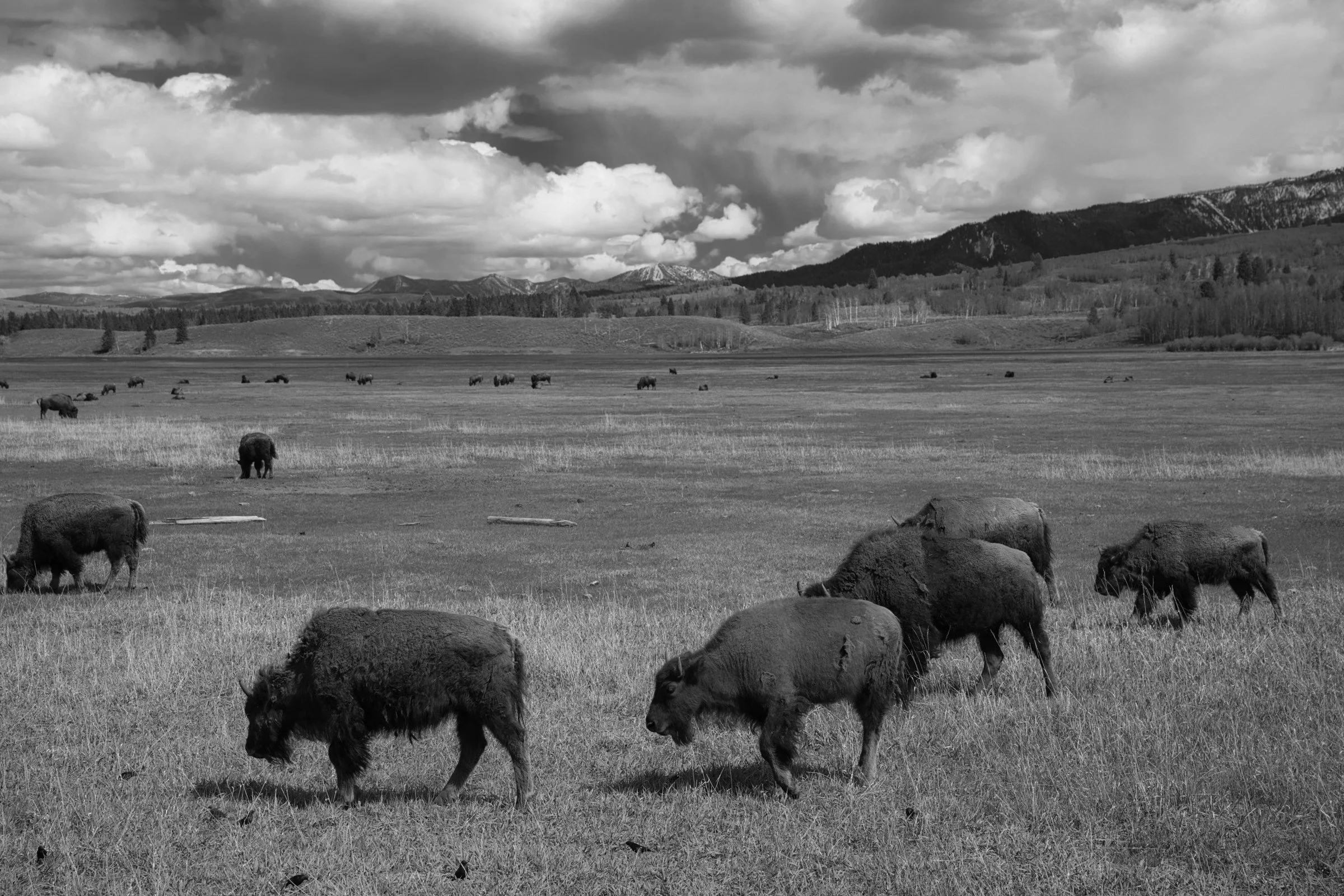
One moment especially stayed with me. I watched a group of bison moving up a hillside near a geothermal steam vent. Almost immediately, I could visualize the exact frame I wanted — if the animals intersected the steam at the right moment. I had seconds. So I sprinted uphill at altitude, lungs burning, laughing at myself halfway through, because photographers probably look genuinely ridiculous chasing moments like this across hillsides and through bad weather.
But photographers understand the feeling.
The Real Reward of Landscape Photography
There's something deeply consuming about the desire to make an image. You wake before sunrise, carry heavy gear, stand in the cold, chase storms, and wait for light that may only last a few seconds — because you know it may never happen exactly that way again.
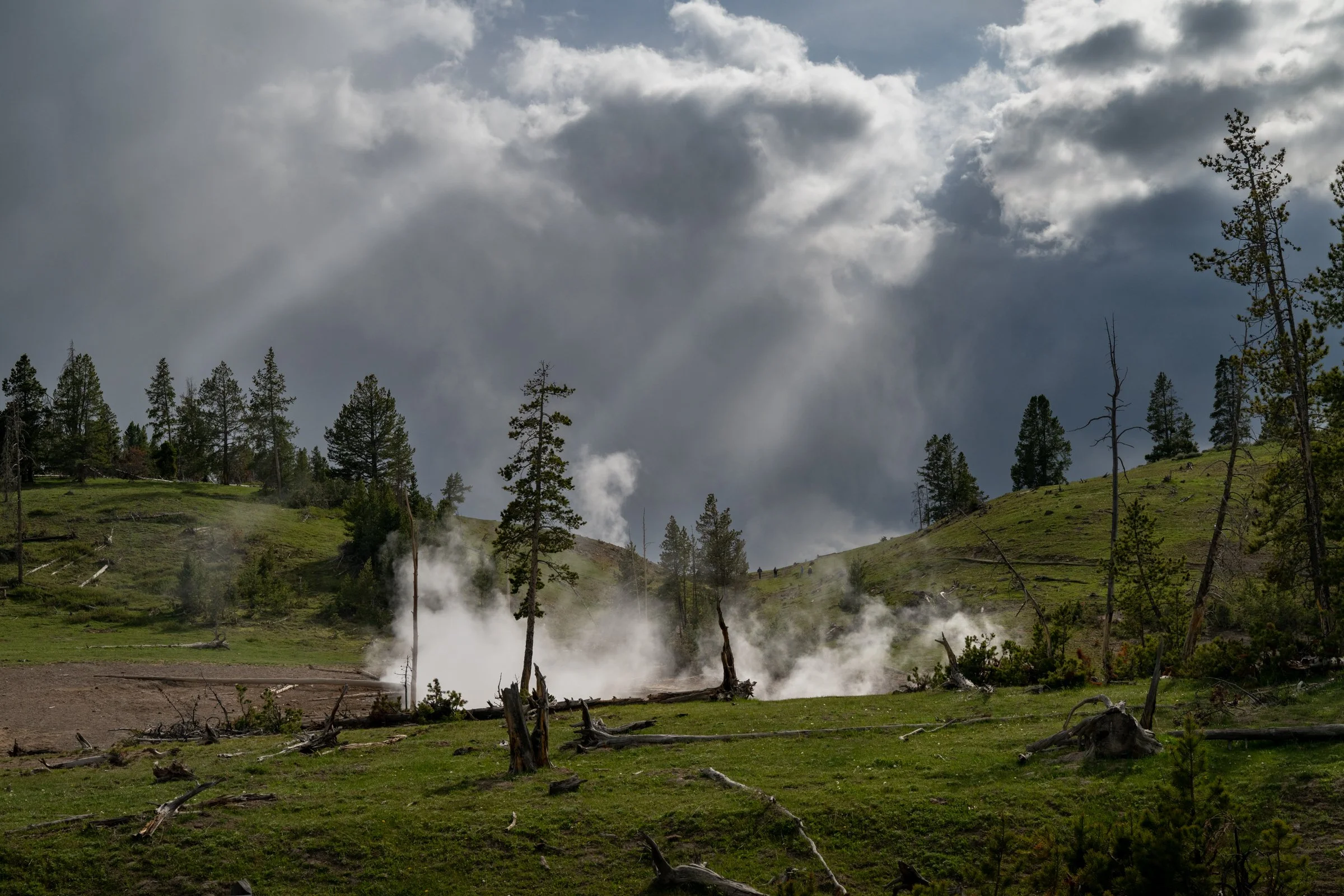
And the truth is, most of those images never get publicly shared.
The reward is often not recognition. It's the experience itself. Watching the atmosphere change in real time. Feeling present enough to recognize something fleeting and respond to it instinctively.
That was Yellowstone for me.
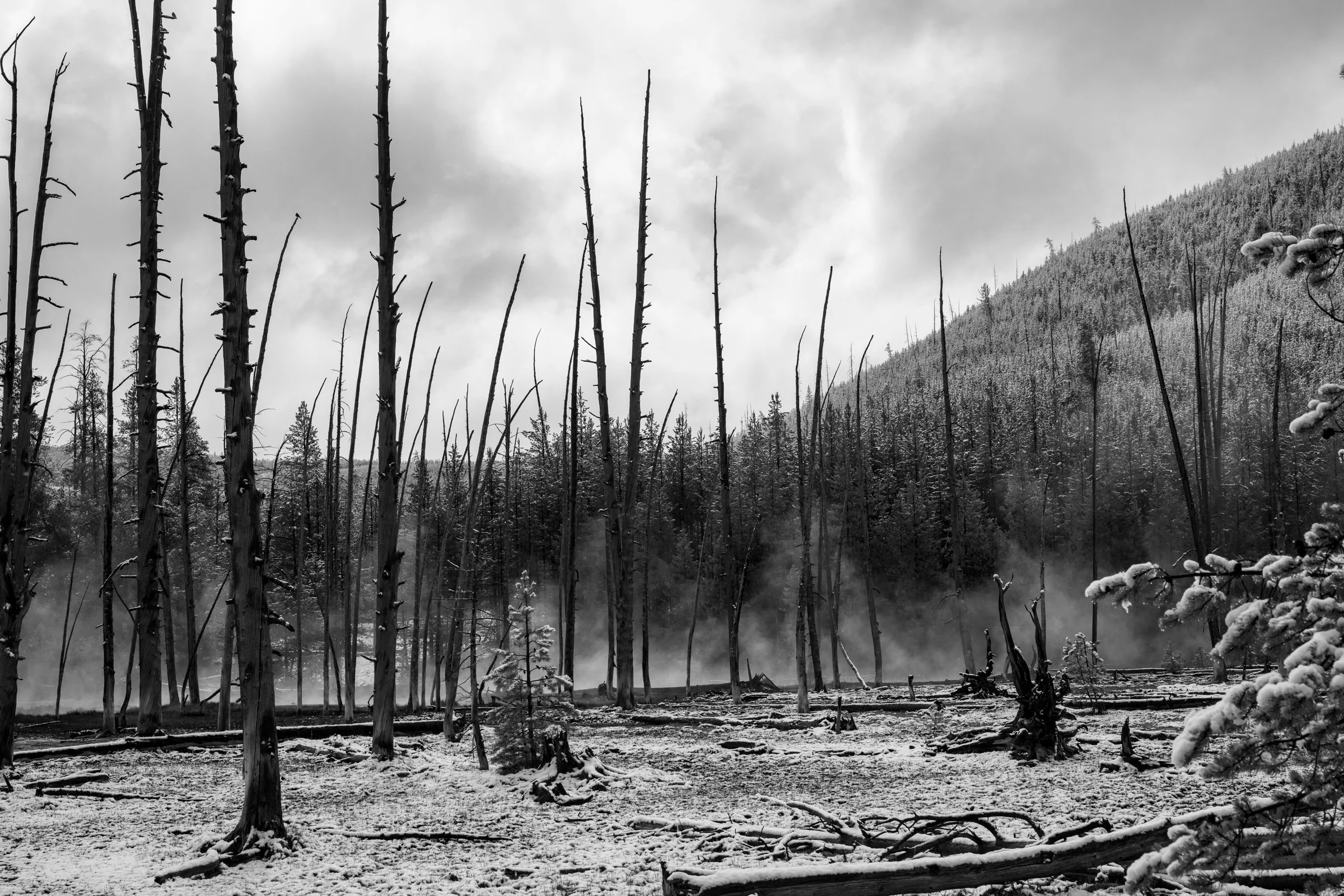
Some of my favorite moments came during unsettled weather. Snow drifting through burned forests. Steam rising through trees. Rain moving across distant ridgelines. The drive south toward the Tetons added its own chapter — roads disappearing into storms, light breaking through in narrow shafts, the kind of conditions that make you pull over, whether you planned to or not. The conditions gave the landscape a kind of emotion and weight that changed by the minute.
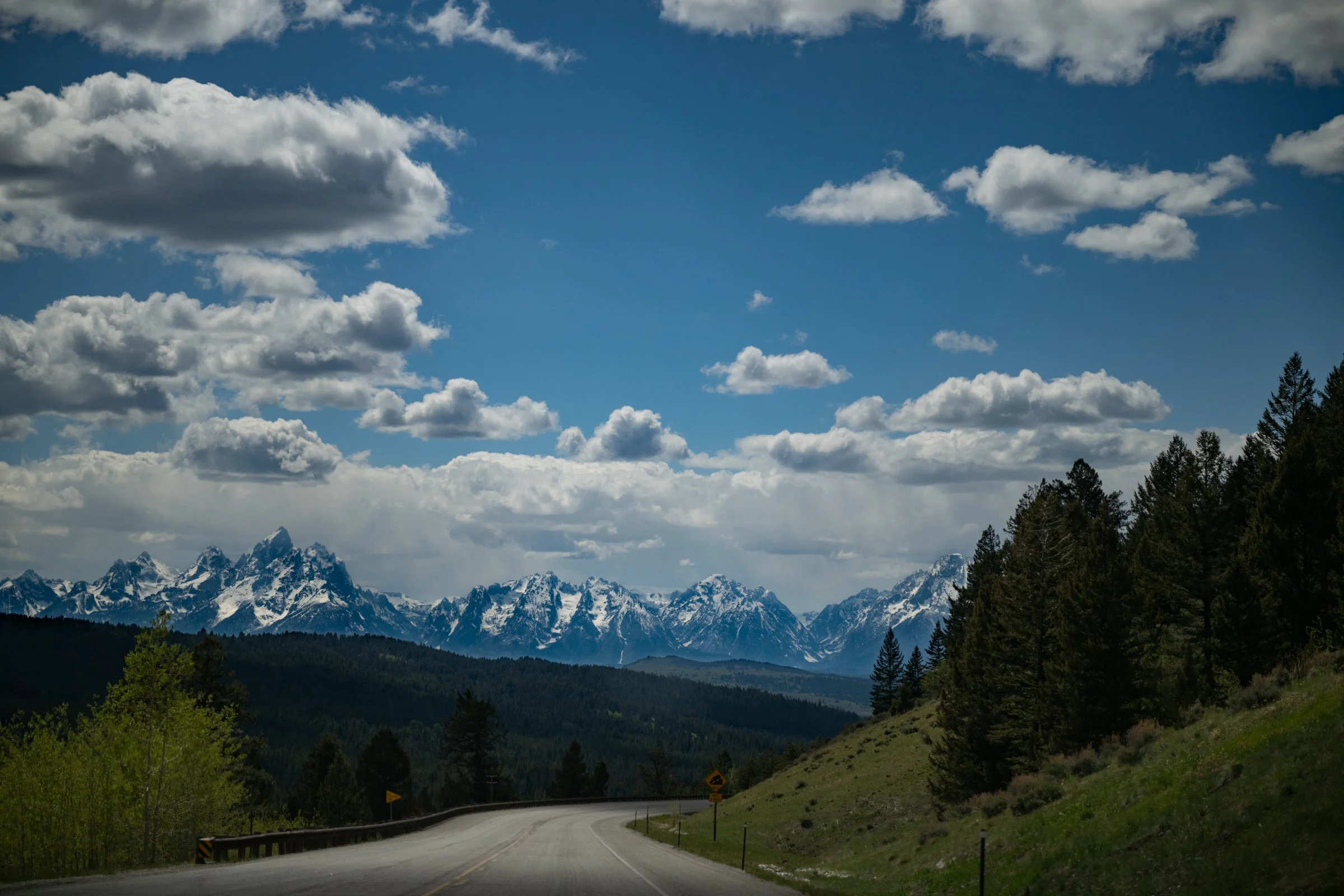
At times I found myself staring up at the sky — completely energized by what the light was doing — wondering why everyone around me wasn't equally amazed by what was happening overhead.
Then I remembered something photographers know well:
We often see light before we see anything else.
A Note on Gear
For photographers reading this — I shot almost everything on the Nikon Z8 with a 24–70, and I kept a circular polarizer on the lens the entire trip. For Yellowstone specifically, it was the right call every time. The effect on water, steam, and sky was significant and not something you can fully replicate in post. If you're planning a trip and debating whether to bother with one, don't debate it. Several of the landscape edits were finished in Luminar Neo, which handles this kind of atmospheric work really well.
Why Yellowstone Still Stays With Me
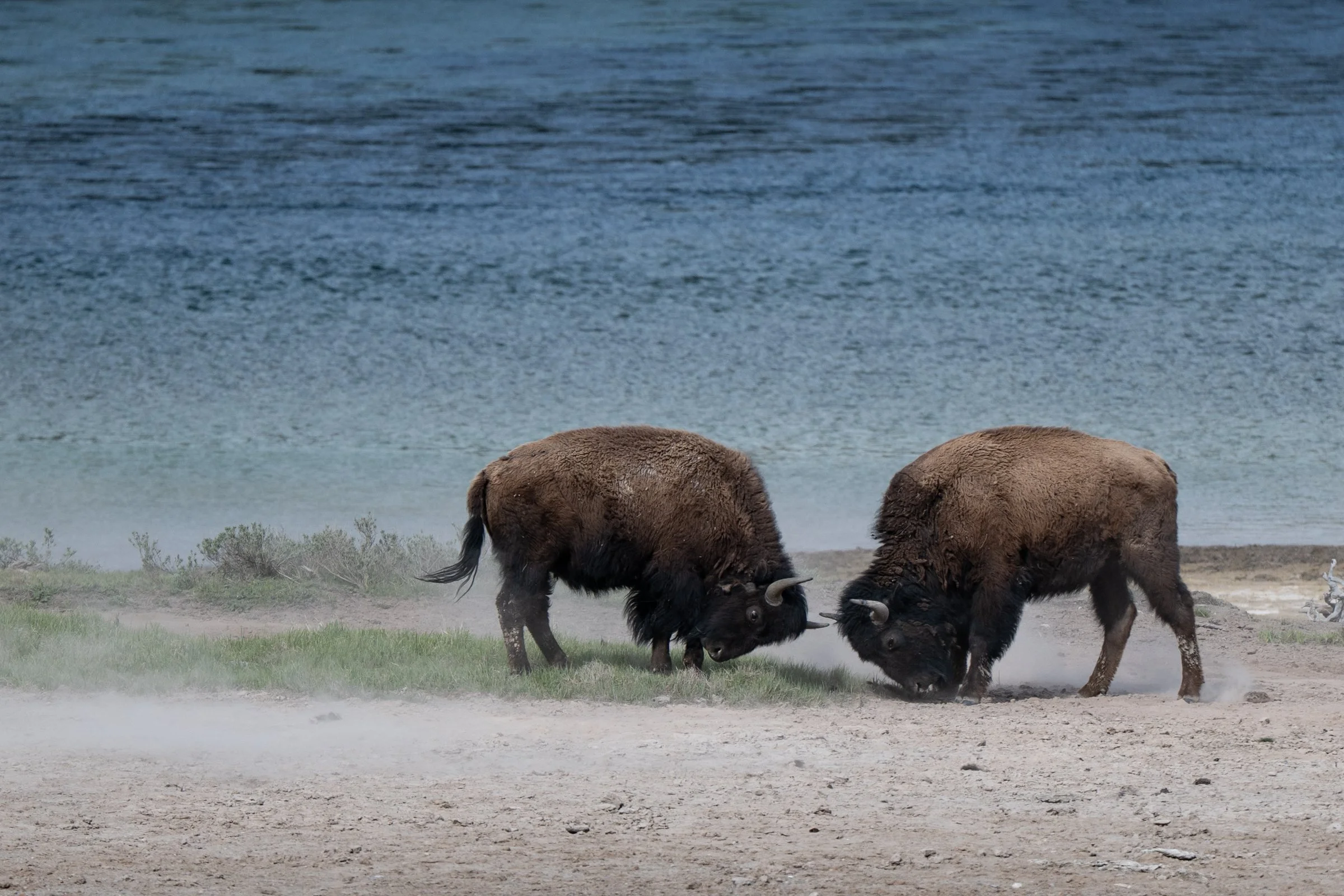
Looking back, Yellowstone was more than a beautiful destination. It reminded me why photography still excites me after all these years.
The camera isn't something that distances me from an experience. In many ways, it allows me to enter it more fully.
And maybe that's the real gift photography gives us — not simply preserving moments, but teaching us to truly notice them while they're still happening.
Tim Engle is a Sacramento-based commercial and editorial photographer. His work spans corporate headshots, branding, fitness, architectural, and documentary photography across Northern California and beyond.
