
Deep Thoughts, Fashion, Photo Life Tim Engle Deep Thoughts, Fashion, Photo Life Tim Engle

The Art of the Gaze: Eye Contact in Fine Art Portraiture versus Traditional Portraiture

Does your subject look at the camera or look away? The direction of a gaze changes everything in portraiture. Sacramento photographer Tim Engle breaks down the difference between fine art and traditional portrait photography.

There's a saying that "the eyes are the window to the soul," and nowhere is this more apparent than in portraiture. This captivating art form has been used for centuries to capture the essence of individuals. Yet, in a dialogue about fine art versus traditional portraiture, one aspect continues to incite debate – eye contact.

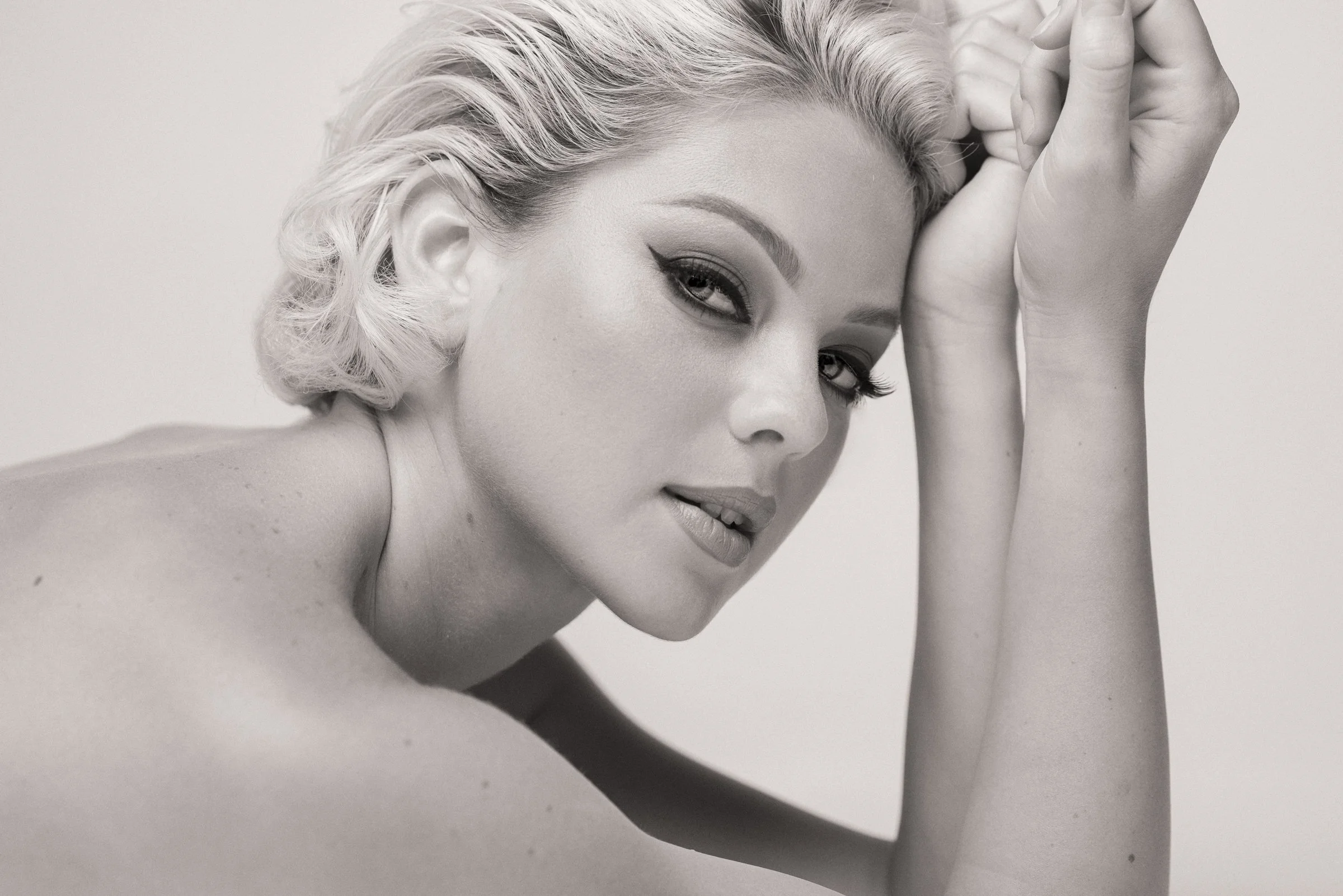
Portrait photography direct eye contact traditional portraiture, Sacramento photographer

When the subject of a portrait engages in direct eye contact with the viewer, it creates an intimate and personal interaction. This eye contact forms a connection, turning the viewer into an active participant in the narrative. The viewer feels compelled to engage, forming a bond with the subject. It's as though the individual in the portrait is saying, "I see you as you see me." The result often feels distinctly familiar, like the subject is someone you'd know personally. This characteristic makes the image fit comfortably into the realm of traditional portraiture.

Fine art portrait with averted gaze, studio photography Sacramento

Contrast this with portraits where the subject's gaze is averted or their eyes are closed. These images invoke a different ambiance altogether. The lack of direct eye contact lends a sense of introspection and mystery to the piece. The subject isn't revealing everything; there's a story left untold, a mystery lingering. It makes the viewer more of an observer, peering into a world that's not fully disclosed. This aspect gives the work a quality that leans towards the fine art side of portraiture.

Body paint portrait photography artistic gaze study, Sacramento photographer Tim Engle

Rather than forming a connection, these pieces seem to invoke curiosity, making one question the subject's thoughts or feelings. The images become a catalyst for imagination, sparking countless narratives and interpretations in the viewer's mind. The matter becomes less of a known individual and more of an artistic exploration.

Fine art portrait with flowers over eyes, ethereal photography, Sacramento photographer Tim Engle

In conclusion, the role of eye contact in portraiture is profound, whether in traditional or fine art. The direction of a gaze can significantly change the narrative, making the difference between a direct personal connection and an enigmatic piece of art. It's a fascinating study of how a seemingly small detail can alter the entire perception and categorization of a piece.

Fine art body paint portrait orange lips teal background eyes closed, Sacramento photographer Tim Engle
Read More