
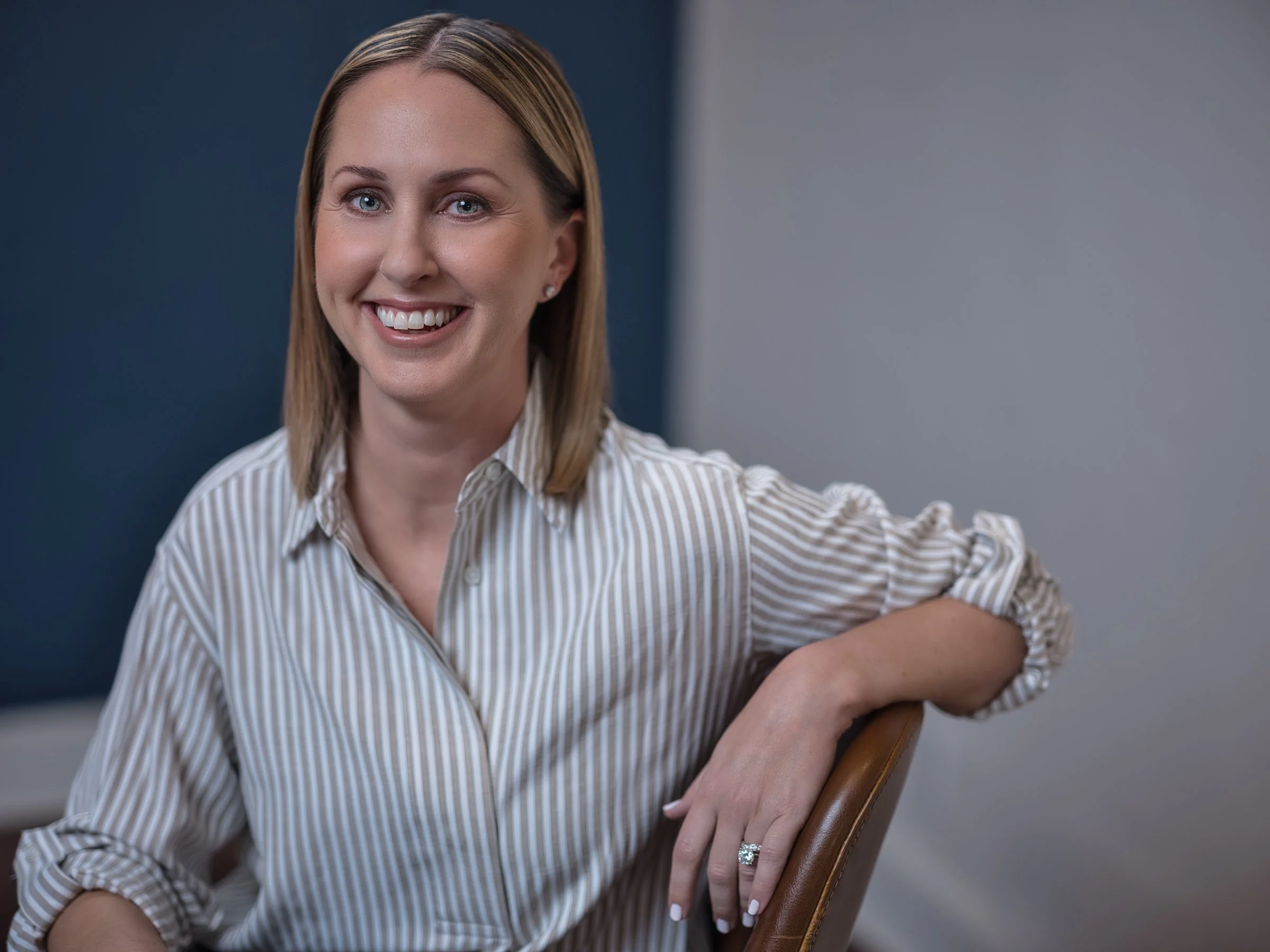
corporate, Fashion, How-To, Photo Life Tim Engle corporate, Fashion, How-To, Photo Life Tim Engle

Why I Don’t Believe in the “Ultimate Posing Guide”

Forget the “Ultimate Posing Guide.” True posing is about authenticity, not memorization. In this post, I break down how I approach posing as a conversation—not a command—and why the most natural movements often lead to the strongest images. Whether you’re a photographer or someone who hates being in front of the camera, there’s something here for you.

And why your best pose might already be in you.

I keep seeing ads and social posts promoting the Ultimate Posing Guide—as if there’s some perfect list of positions that work for everyone. But here’s the truth I’ve learned over the years: there’s no such thing.

Sure, I have a few base poses that tend to work for most people, but trying to make someone copy a pose they physically can’t do—or that just doesn’t feel natural—never works. You can see it in the photo. And worse, you can feel it.

Authenticity Over Imitation

What actually works is watching people. I pay attention to how someone naturally stands, how they move, how they interact. I take cues from that and build from there. That approach leads to images that feel real, not staged. It works across the board—whether we’re shooting fashion or portraits or branding.

Hands Matter More Than You Think

One thing I talk about often is what to do with your hands. They matter—a lot. Your hands need to have intent. They shouldn’t be doing something random, and they shouldn’t be in conflict with your facial expression.

I’ve seen plenty of technically strong portraits where the hands feel stiff or disconnected. The subject looks powerful in the face, but the hands are saying something else. People might not notice it consciously, but they feel it. And that disconnection can throw off the entire image.

That said, there are times when I’ll intentionally create tension by having the hands and face tell different stories—but that’s a deliberate creative decision, not a default.

Posing Is a Conversation, Not a Command

One of the most valuable shifts in my approach over the years has been treating posing like a dialogue. When I work with someone, we often spend the first 20–30 minutes just talking about how they move, how they want to come across, and what feels comfortable.

I might shoot a few frames during that time—not to create finished images, but to illustrate what we’re talking about. Once we get aligned, the rest of the shoot flows naturally. It’s smoother, more comfortable, and ultimately, more authentic.

Most people don’t know their angles—and why would they? It’s my job to help discover what works, together.

Want to see this in action?

I’ll be sharing a few real-world examples and behind-the-scenes clips soon—because good posing isn’t about hitting the mark, it’s about finding the moment.

Read More

My Evolution with AI in Photography: A Blend of Art and Technology

As a photographer, my journey has always been about capturing the essence of a moment, playing with light and shadows to tell a story. The advent of AI in creative arts presented a curious blend of possibilities and challenges. Generating images through artificial intelligence seemed like a distant, somewhat impersonal approach to creativity. However, my exploration into this new frontier, mainly through Midjourney, has reshaped my understanding and appreciation of AI's role in photography.
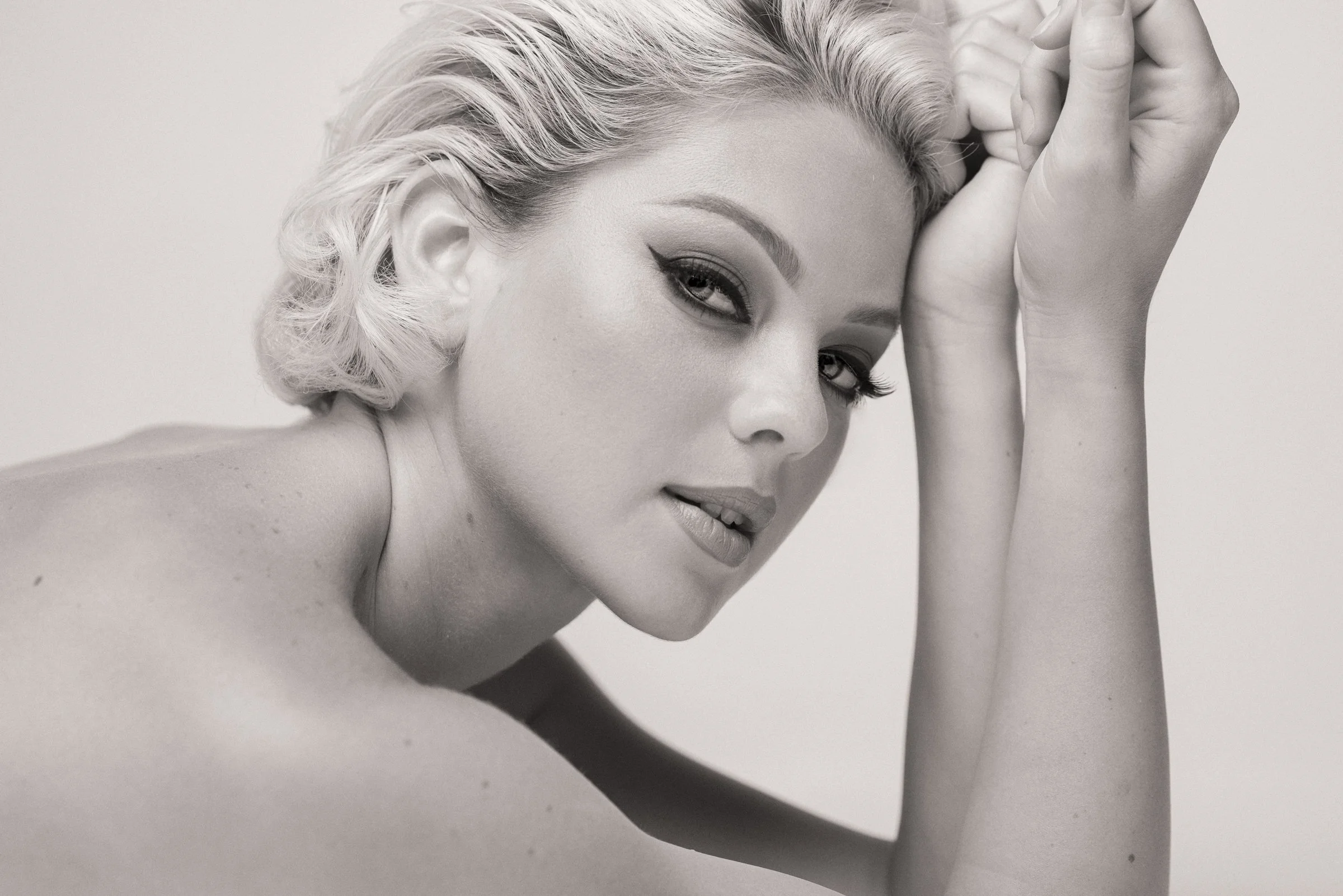
As a photographer, my journey has always been about capturing the essence of a moment, playing with light and shadows to tell a story. The advent of AI in creative arts presented a curious blend of possibilities and challenges. Generating images through artificial intelligence seemed like a distant, somewhat impersonal approach to creativity. However, my exploration into this new frontier, mainly through Midjourney, has reshaped my understanding and appreciation of AI's role in photography.

(All Images made with ai)

Embracing AI with Midjourney

My deep dive into AI and photography began earnestly when I experimented with Midjourney. This tool wasn't just another piece of software; it became a bridge between my creative vision and the limitless possibilities of AI. With Midjourney, I found a way to input specific parameters that reflect my unique style—lens choices, F-stop settings, camera types, and lighting preferences. This allowed me to create AI-generated images that bore the hallmarks of my approach to photography, serving as a fascinating extension of my creative expression.

One of the first portraits I worked on at the beginning of 2023

Collaboration and Discovery

Through this lens, John, the lead designer at Sacramento Magazine, and I found common ground in our exploration of AI's potential. Sharing our discoveries and creations became a source of inspiration, pushing us to consider new ways of integrating AI into our projects. The collaboration was not just about sharing techniques but expanding our creative horizons.

AI as a Conceptual Tool

Utilizing Midjourney, I've been able to experiment with visual concepts before ever picking up my camera. This AI tool has become indispensable for pre-visualizing shoots, allowing me to experiment with and refine ideas in a virtual space. It's like having a digital sketchpad where I can instantly see the results of different creative decisions, from makeup looks to the mood of a scene.

Transforming the Creative Process

The impact of Midjourney on my work has been profound, particularly in product photography. Creating digital backgrounds for products has become a streamlined process, enabling me to produce visuals that are both innovative and in tune with my artistic vision. This approach has enhanced the visual appeal of my photographs and opened up new avenues for storytelling.

The Road Ahead

My initial skepticism about AI in photography has transformed into recognizing its value as a creative partner. Midjourney has played a significant role in this transition, demonstrating that AI can complement and enhance traditional photography art. As I continue to explore this symbiotic relationship, I am excited by the potential for AI to expand the boundaries of what we consider possible in the creative world.

Looking forward, I see AI not as a replacement for the photographer's eye but as a powerful tool that amplifies our ability to create, explore, and tell stories. The journey with AI is just beginning, and I'm eager to see where this path leads, armed with my camera and the boundless potential of artificial intelligence.

Read More
Deep Thoughts, Fashion, Photo Life Tim Engle Deep Thoughts, Fashion, Photo Life Tim Engle

The Art of the Gaze: Eye Contact in Fine Art Portraiture versus Traditional Portraiture

Does your subject look at the camera or look away? The direction of a gaze changes everything in portraiture. Sacramento photographer Tim Engle breaks down the difference between fine art and traditional portrait photography.
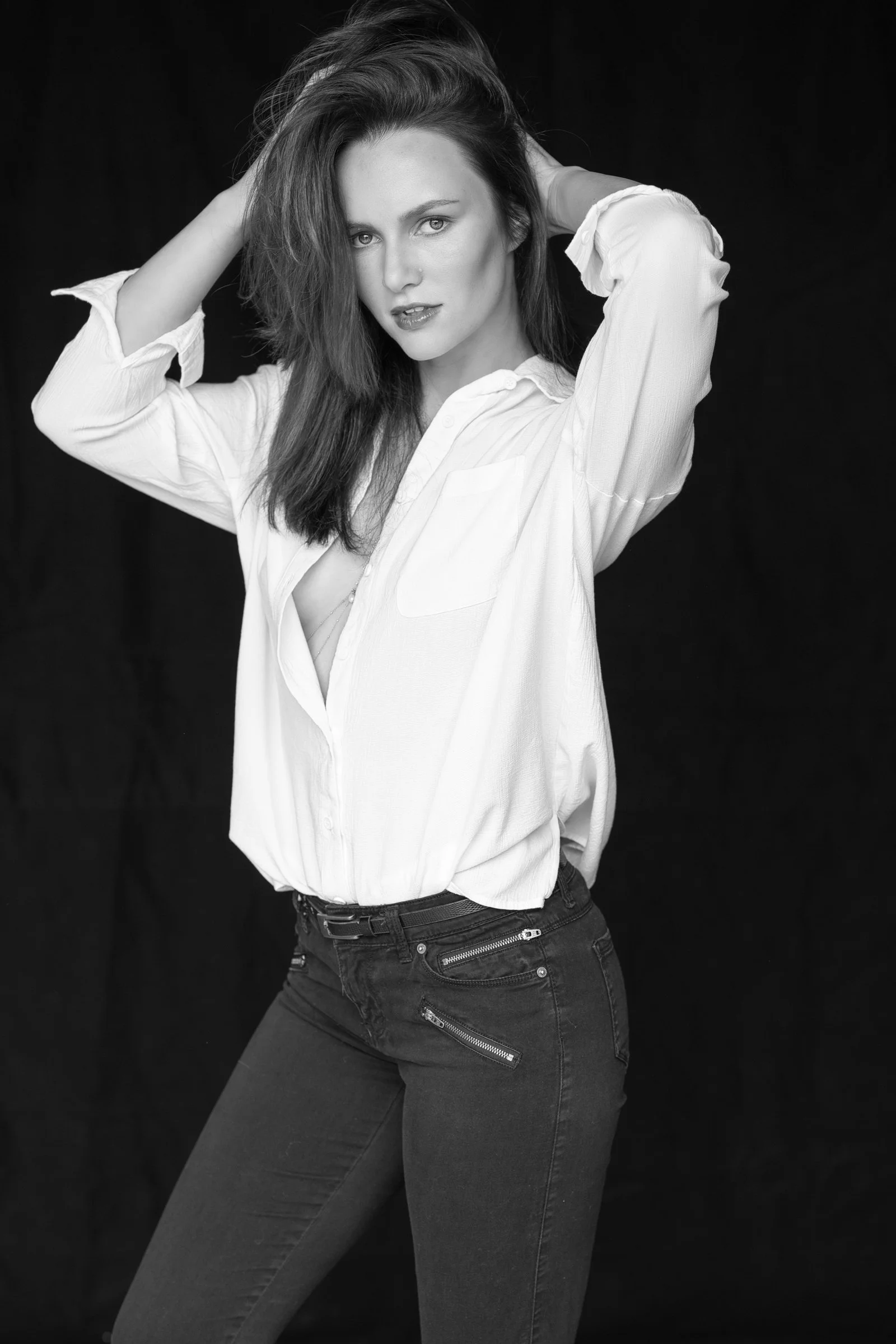
There's a saying that "the eyes are the window to the soul," and nowhere is this more apparent than in portraiture. This captivating art form has been used for centuries to capture the essence of individuals. Yet, in a dialogue about fine art versus traditional portraiture, one aspect continues to incite debate – eye contact.

Portrait photography direct eye contact traditional portraiture, Sacramento photographer

When the subject of a portrait engages in direct eye contact with the viewer, it creates an intimate and personal interaction. This eye contact forms a connection, turning the viewer into an active participant in the narrative. The viewer feels compelled to engage, forming a bond with the subject. It's as though the individual in the portrait is saying, "I see you as you see me." The result often feels distinctly familiar, like the subject is someone you'd know personally. This characteristic makes the image fit comfortably into the realm of traditional portraiture.

Fine art portrait with averted gaze, studio photography Sacramento

Contrast this with portraits where the subject's gaze is averted or their eyes are closed. These images invoke a different ambiance altogether. The lack of direct eye contact lends a sense of introspection and mystery to the piece. The subject isn't revealing everything; there's a story left untold, a mystery lingering. It makes the viewer more of an observer, peering into a world that's not fully disclosed. This aspect gives the work a quality that leans towards the fine art side of portraiture.

Body paint portrait photography artistic gaze study, Sacramento photographer Tim Engle

Rather than forming a connection, these pieces seem to invoke curiosity, making one question the subject's thoughts or feelings. The images become a catalyst for imagination, sparking countless narratives and interpretations in the viewer's mind. The matter becomes less of a known individual and more of an artistic exploration.

Fine art portrait with flowers over eyes, ethereal photography, Sacramento photographer Tim Engle

In conclusion, the role of eye contact in portraiture is profound, whether in traditional or fine art. The direction of a gaze can significantly change the narrative, making the difference between a direct personal connection and an enigmatic piece of art. It's a fascinating study of how a seemingly small detail can alter the entire perception and categorization of a piece.

Fine art body paint portrait orange lips teal background eyes closed, Sacramento photographer Tim Engle
Read More
Fashion, Deep Thoughts Tim Engle Fashion, Deep Thoughts Tim Engle

The Timeless Art of Black and White Portraiture

Introduction: Photography is an art form that never ceases to evolve, yet there's a profound depth in the simplicity of black-and-white portraiture that color sometimes obscures. This article explores this timeless medium, with my collaboration with model Morgan and makeup artist/stylist Ernesto Robledo serving as our guiding narrative.
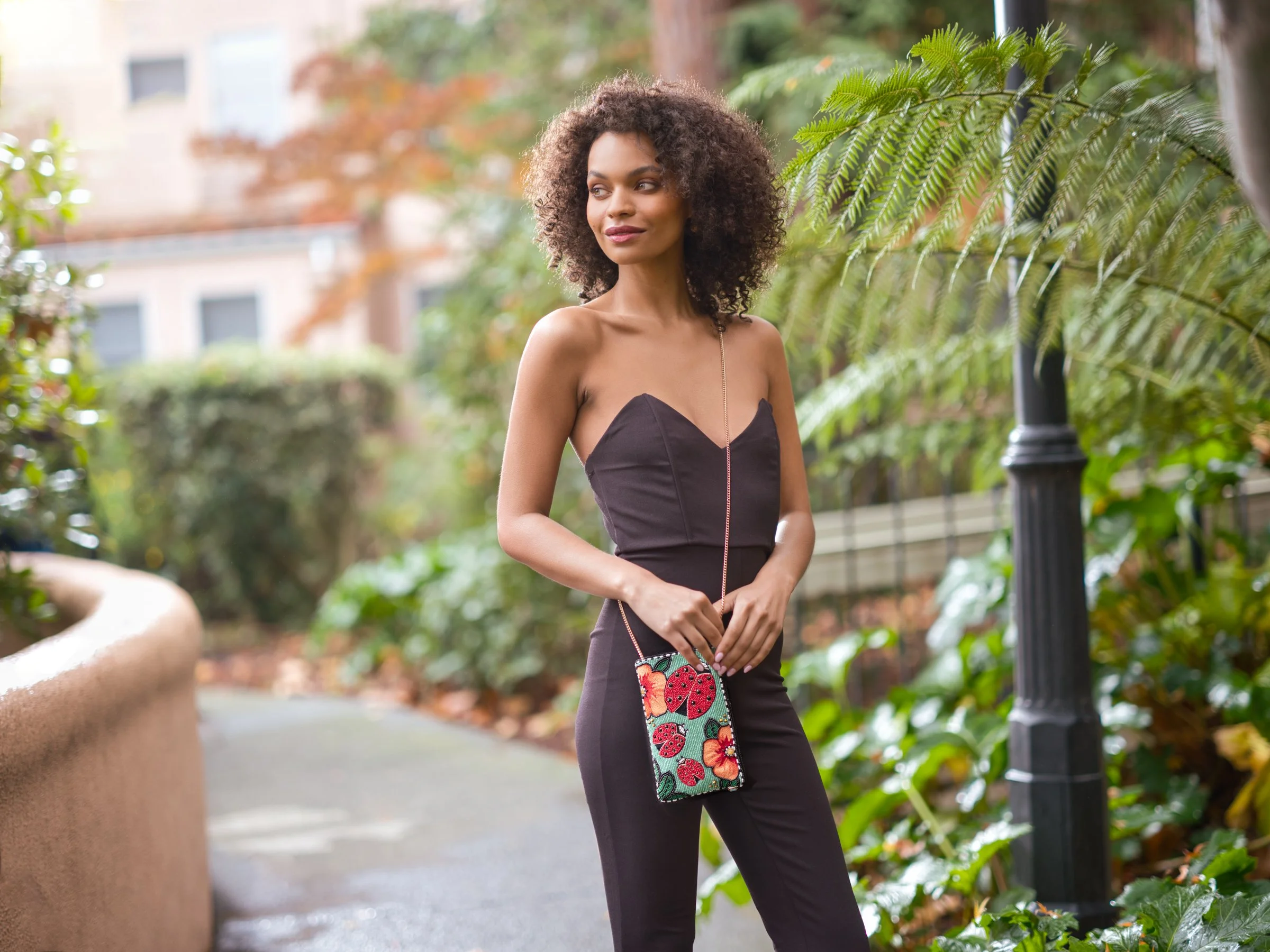
Introduction: Photography is an art form that never ceases to evolve, yet there's a profound depth in the simplicity of black-and-white portraiture that color sometimes obscures. This article explores this timeless medium, with my collaboration with model Morgan and makeup artist/stylist Ernesto Robledo serving as our guiding narrative.

The Beauty of Monochrome: In the realm of monochrome, distractions are stripped away, leaving us with raw basics: light, shadow, texture, and form. It's not about removing color but about revealing a different kind of depth, a different kind of beauty. Every wrinkle tells a story, and every gleam in the eyes is a poem.

Our Creative Team: A photoshoot isn't a solo endeavor - it's a collaborative process that brings together diverse talents. I've had the privilege of working with Morgan, a model whose presence in front of the camera is truly captivating. Complementing her, the creative eye and meticulous attention to detail of makeup artist and stylist Ernesto Robledo have been instrumental in creating unforgettable images. His work enhances the model's beauty and adds layers of depth and meaning to each shot.

My Experience with Morgan and Ernesto: Our recent photoshoot exemplified the timeless quality of black and white portraits. Ernesto's stylistic choices brought out the raw emotion in Morgan, transforming her into a timeless figure within the frame.

Collaborative Art: Photography is a collaborative art - particularly black and white photography. As a photographer, the monochrome challenges us to see and capture the world in different terms. As a viewer, it invites us to fill in the gaps with our own colors - our experiences, emotions, and interpretations.

Final Thoughts: The next time you come across a black-and-white photo, take a moment to see beyond the monochrome. There's a whole world of depth waiting to be explored. And as photographers, we have the privilege of bringing that depth to life, thanks to our collaboration with models like Morgan and creative partners like Ernesto.

Read More
Fashion, Location, Photo Life Tim Engle Fashion, Location, Photo Life Tim Engle

Designer Handbags

At the end of last year, I had a fantastic opportunity to work with Mary Frances Accessories to showcase some new handbag designs.
At the end of last year, I had a fantastic opportunity to work with Mary Frances Accessories to showcase some new handbag designs. The quality and creativity that goes into these are truly outstanding. The team I had on this made the day go so smoothly.  

Model: Sophia Jackson

Stylist: Michelle Rivet

Hair and Makeup: Ernesto Robledo

Read More
Behind the scenes, Fashion, Photo Life Tim Engle Behind the scenes, Fashion, Photo Life Tim Engle

Lana

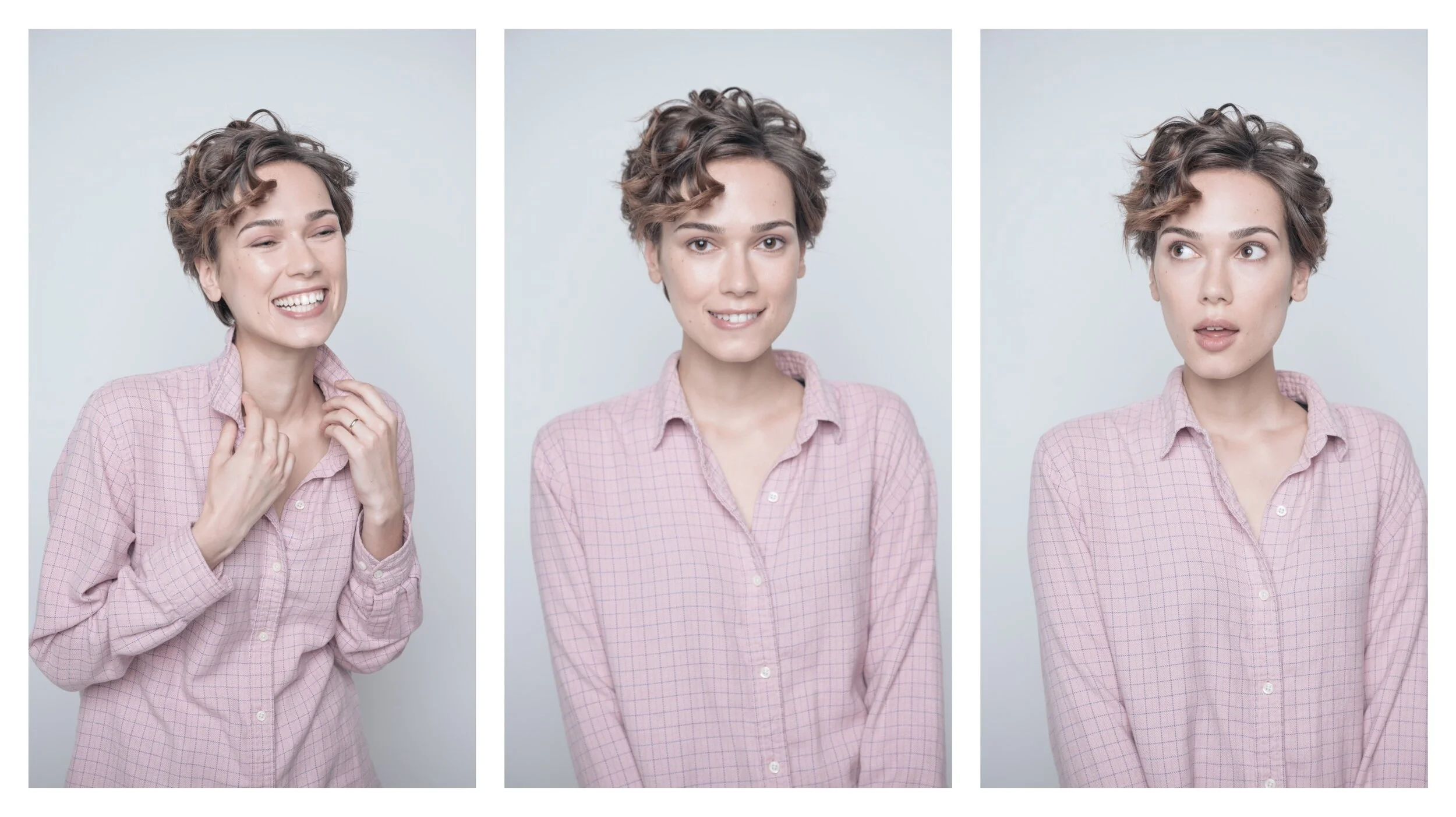
I had a special treat this month and photographed an individual I photographed a few years ago as a model. She has transformed into an actress. Lana is a gorgeous actor out of the bay area.
I had a special treat this month and photographed an individual I photographed a few years ago as a model. She has transformed into an actress. Lana is a gorgeous actor out of the bay area.

Happy.jpg

I'm so pleased with what we made with the help of Ernesto makeup artist. There's a difference between posing as just a beautiful face and giving emotional content to the photographer. Lana did an excellent job giving me a tremendous amount of variety. It's so motivational when you get that kind of effort on the other side of the camera.

Stress.jpg

We started the day with a discussion and a plan of attack that we want to accomplish. With the help of Ernesto, we knocked out the locks, and I was able to match the lighting to the style of each look.

I typically have a plan on most shoots, even if it's a simple as lens selection. But with the best-laid plans, you have to be willing to alter or change direction quickly as opportunities or images present themselves. I feel it's like making a cake. I know all the ingredients, but I'm not sure how I will combine them in the end. Many photographers stick to a very rigid game plan, and I haven't found that it works for me. Being fluid and taking cues from your subject on the direction and look is what got me to where I am.

Read More
Fashion, Lighting, How-To Tim Engle Fashion, Lighting, How-To Tim Engle

Portrait Shoot Progression

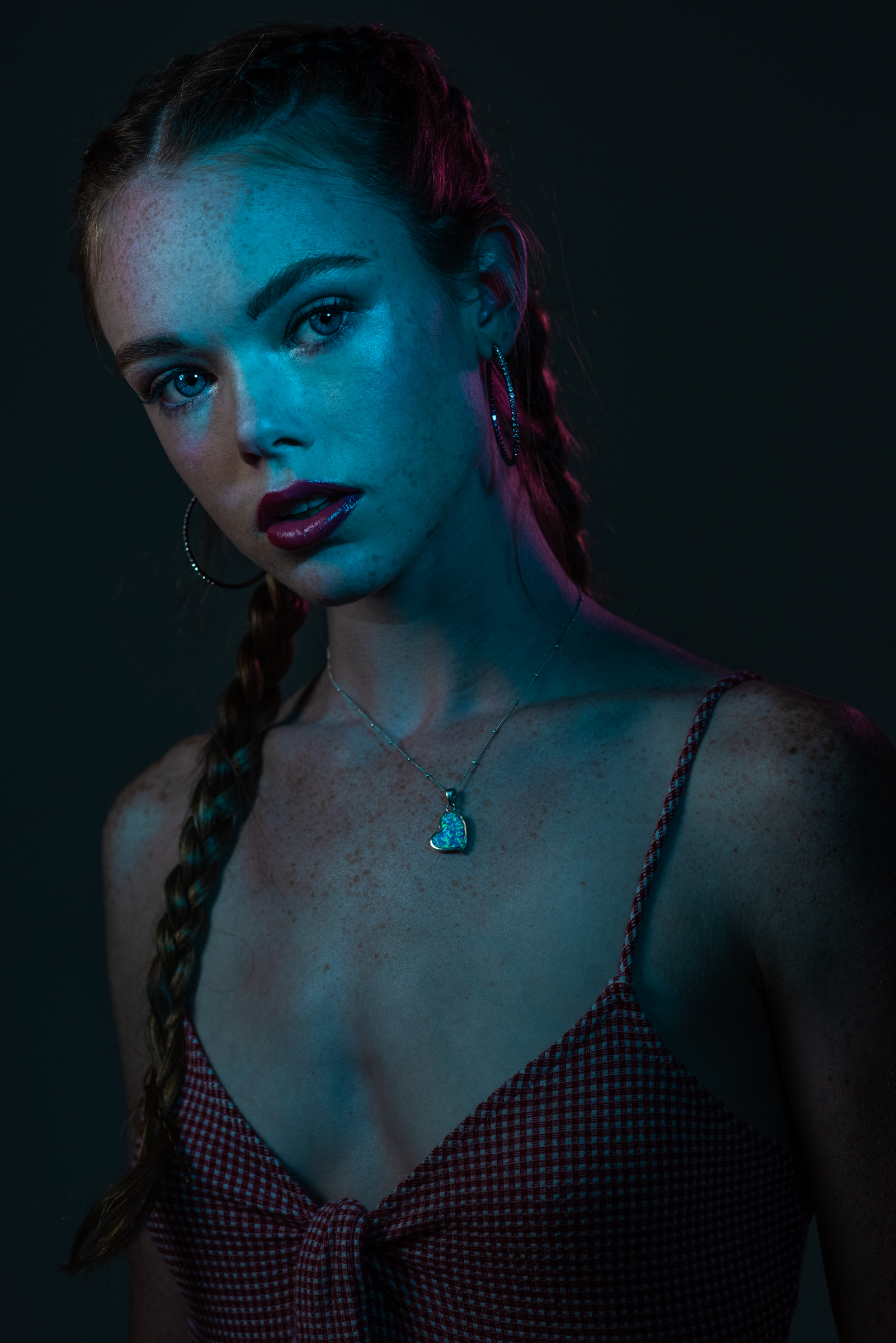
Over the years I've developed a rhythm which allows me to get to know the model, as well as what type of lighting works best for them. This week was a prime example; Emily was in my studio for a portrait session, and while I've worked with her in the past, this was her first portrait session with me. My normal progression is what I like to call, “no make up, makeup, and lighting.” For the no makeup look, I normally just use natural light from an open door. Typically I shoot these on a black background. This allows me to really focus on the subject’s face and learn what lighting and lenses are a good match for them. Once I get these shots done, I have the makeup artist begin the model’s first makeup look. By the time I get the last image, it's typically something a little more complex with the lighting.

I receive many questions regarding my workflow in photographing new models and faces, so I thought I would address some of them. This post is only about photographing models from talent agencies or bookings directly with a model. 

Over the years I've developed a rhythm which allows me to get to know the model, as well as what type of lighting works best for them. This week was a prime example; Emily was in my studio for a portrait session, and while I've worked with her in the past, this was her first portrait session with me. My normal progression is what I like to call, “no make up, makeup, and lighting.” For the no makeup look, I normally just use natural light from an open door. Typically I shoot these on a black background. This allows me to really focus on the subject’s face and learn what lighting and lenses are a good match for them. Once I get these shots done, I have the makeup artist begin the model’s first makeup look. By the time I get the last image, it's typically something a little more complex with the lighting.

First image made with no makeup. For this I used the Sigma 35mm.

First image made with no makeup. For this I used the Sigma 35mm.

In the progression of Emily's images, I photographed her with no makeup for the first set. I loved how her freckles showcase the natural beauty she possesses. Next, I have the makeup artist add to her look while still keeping it simple. I work fairly rapidly throughout all the different looks. For each set up, I may only spend about 10 minutes. My goal is to get 3 to 4 really strong images from each look.

During last round of makeup, I normally let the makeup artist do something they've been dying to try. It's always good to allow collaboration with your team. Having the hairstylist or makeup artist use their creative juices can inspire me as well. There are times that this collaboration has produced some of my best images. All the looks put together in this type of session typically take about a three and a half hours.

For this image the makeup artist did minimal makeup. I want these as close to there real look as possible.

For this image the makeup artist did minimal makeup. I want these as close to there real look as possible.

Finally, the equipment I use stays pretty consistent. I use my Nixon D4 &  Nikon D810. The lenses I shoot with 85% of the time are the Sigma 35mm f1.4 Art Lens and the Nikon 85mm f1.8. For the lighting I use Phottix Indra 500 with various modifiers.

If you have any questions, I’m always open about how I do, what I do, so please drop me a note.

Happy Clicking!

Tim

Read More