
Why Photographers Should Still Shoot Personal Work

A recent portrait photography session in downtown Sacramento reminded me why personal work matters. Personal projects allow photographers to experiment with lighting, gear, and creative ideas that often influence their professional portrait work.
Portrait Photography and Creative Growth in Sacramento

At the beginning of this year I spent some time reflecting on 2025 and asking a simple question: what work actually made me happy as a photographer?

Like most working photographers, a lot of my time is spent on assignments. Corporate headshots, editorial projects, marketing images, and portrait photography for clients. That work matters and it keeps the business moving forward. But when I looked back at the year, something interesting stood out.

Some of the photographs I felt the most connected to weren’t assignments at all.

They were the images I made simply because I wanted to make them.

Those shoots usually start with a simple idea: meet a friend downtown, try a lighting concept, experiment with a piece of gear I haven’t used in a while, or explore a location that looks interesting. There’s no client attached to it and no specific deliverable at the end of the day.

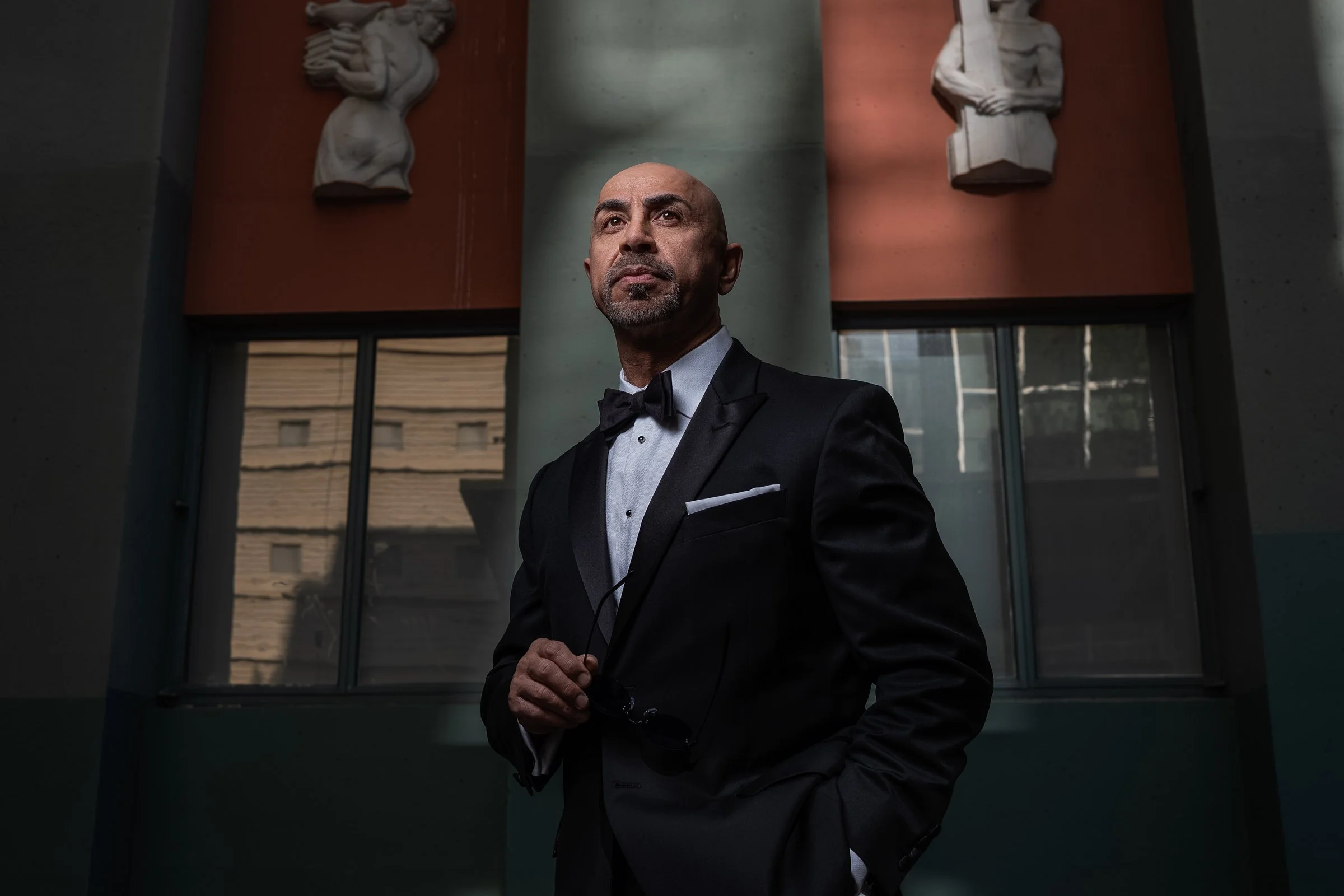
Environmental portrait of Sam Altawil in downtown Sacramento photographed with dramatic natural light and strobe.

Ironically, those shoots often produce some of the most valuable work I make all year.

A Creative Reset for Photographers

When you photograph professionally long enough, it’s easy to fall into patterns. Certain lighting setups. Certain compositions. Certain ways of directing people in front of the camera.

Client work often rewards consistency.

Personal work gives you the freedom to break those patterns.

A recent portrait session with my friend Sam Altawil in downtown Sacramento reminded me why that freedom matters. Sam had just picked up a new tuxedo and we thought it would be fun to meet early in the morning and make some portraits around the city.

Portrait of Sam Altawil wearing a tuxedo during a downtown Sacramento portrait photography session.

There was no assignment attached to the shoot. The goal was simply to see what we could create.

That freedom changes the way you approach photography. You notice light differently. You take more risks. You try ideas that might fail. And sometimes those ideas eventually find their way into your professional work.

Experimenting With Portrait Lighting

One of the things I wanted to explore during this shoot was working with a simple lighting setup and letting the environment play a role in shaping the portrait.

Editorial-style portrait of Sam Altawil photographed in downtown Sacramento using natural reflections and off-camera lighting.

Downtown Sacramento is a great place for portrait photography because light reflects off glass, concrete, and nearby buildings. Those reflections create natural patterns of light and shadow that can dramatically change the mood of a photograph.

By combining a single strobe with the reflections already present in the environment, the lighting becomes more dynamic without needing a complicated setup.

Downtown Sacramento portrait photography session with Sam Altawil using a single strobe and natural reflected light.

Shoots like this are where you refine technique. You learn how light behaves in real environments. You see how subtle changes in position affect the mood of a photograph. And sometimes you rediscover gear or techniques you haven’t used in a while.

Those lessons almost always carry forward into future assignments.

Changing Up the Gear

For this shoot, most of the images were made using the Fujifilm GFX50S II paired with a 50mm lens.

The 50mm isn’t a lens I use all the time on that camera system, which made this the perfect opportunity to pull it back out and spend some time working with it again. Like most photographers, I tend to fall into habits with gear and reach for the same lenses repeatedly.

Personal projects are a great excuse to break those habits.

Working with a lens you don’t use every day forces you to think differently about composition, distance, and framing. It’s a small shift, but it often leads to new ideas or perspectives you might not have explored otherwise.

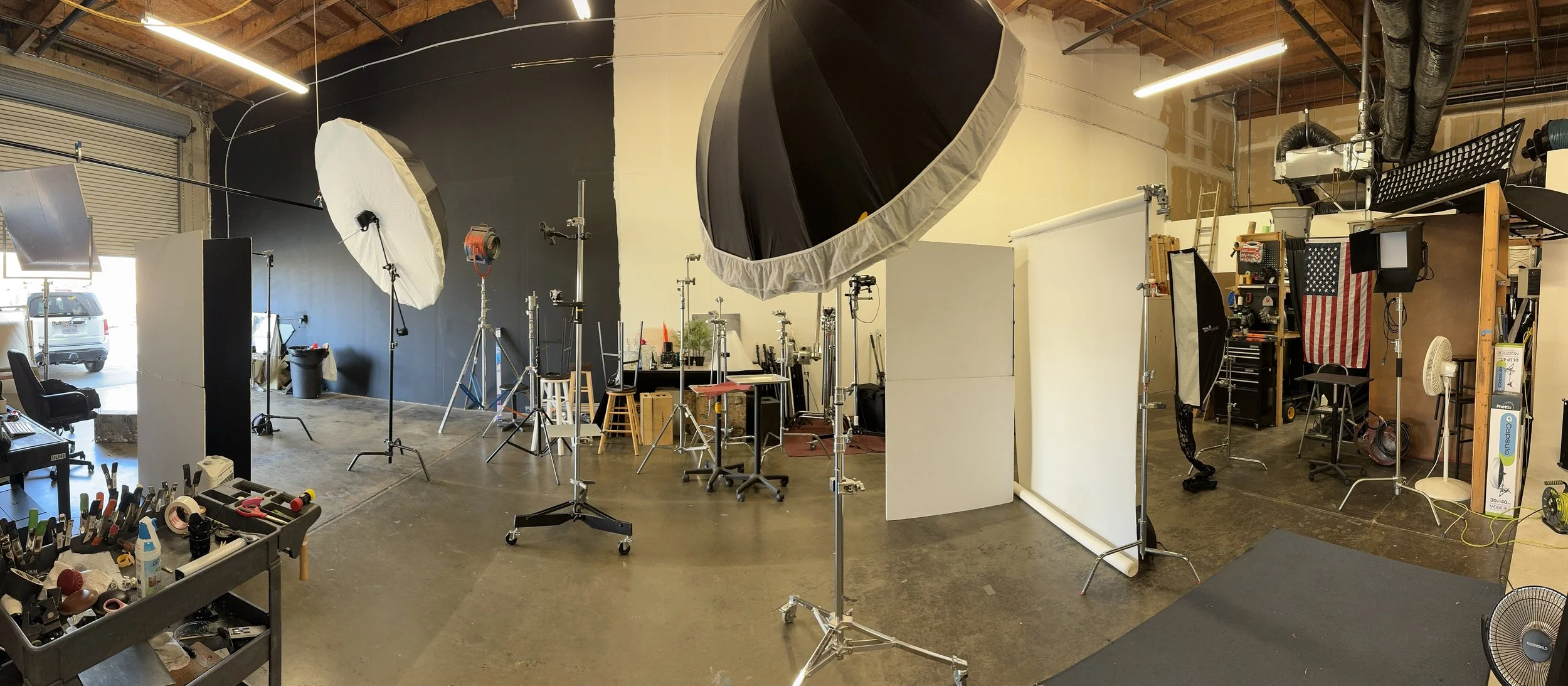
For lighting, I kept things simple and used a Godox AD600 Pro, which has been a rock-solid light for me for years. I’ve worked with a lot of different lighting systems over time, and the AD600 Pro has proven to be incredibly reliable on location.

The light was paired with a Phottix G-Capsule 85cm softbox, which provided a soft, controlled light source while still being compact enough to move quickly between locations.

That combination made it easy to work fast while still shaping the light in a way that complemented the architecture and natural reflections around us.

Another benefit of personal shoots like this is that they allow you to put your gear into situations you might not normally encounter on an assignment. That kind of experimentation keeps you comfortable and confident with your equipment.

Photography Is Also About People

There’s another benefit to personal projects that often gets overlooked.

They reconnect photography with people.

When photography becomes your profession, it can start to feel transactional. Clients, schedules, deliverables, timelines.

Personal shoots bring back the human side of the craft.

Meeting a friend early in the morning to make photographs feels very different from walking into a scheduled assignment. Conversations are relaxed. Ideas flow naturally. And sometimes the best images happen between poses rather than during them.

That kind of environment often produces portraits that feel more authentic.

Personal Work Often Becomes Your Best Work

Another interesting thing happens with personal photography projects.

Because they’re driven by curiosity instead of obligation, they often attract more attention.

Some of the images people comment on the most—whether online or in person—come from shoots that started as nothing more than experimentation. Other photographers notice the lighting. Clients notice the style. Models notice the energy of the images.

In many ways, personal work becomes the work that defines your voice as a photographer.

Moving Forward in 2026

One of the things I realized while reflecting on last year is that personal work shouldn’t be something you do only when you have spare time.

It should be part of the creative process.

Going into 2026 I’m making a point to schedule more of these shoots—meeting interesting people, exploring locations around Sacramento, and experimenting with portrait lighting and ideas.

Not because a client asked for it.

But because that’s often where the most rewarding photographs happen.

Behind the scenes photo of photographer Tim Engle and Sam Altawil during a portrait photography shoot in downtown Sacramento.

Great morning in downtown Sacramento making portraits with my friend Sam Altawil.Sam had just picked up a new tuxedo and it felt like the perfect excuse to head downtown and make a few images. We kept the lighting simple and just explored the city for a while seeing what we could create.

Shoots like this are always a good reminder of why I started photographing in the first place.

Good friends, good light, and a camera.

And in many cases, those personal projects end up shaping the way I approach portrait photography, lighting, and creative direction in my work as a Sacramento photographer.

Read More

Looking Back at 2025 . . . Finding Rhythm, Balance, and Purpose

2025 was a year of rhythm—refining executive portrait work, improving workflow, and staying grounded through meaningful personal projects that continue to shape how I approach photography.
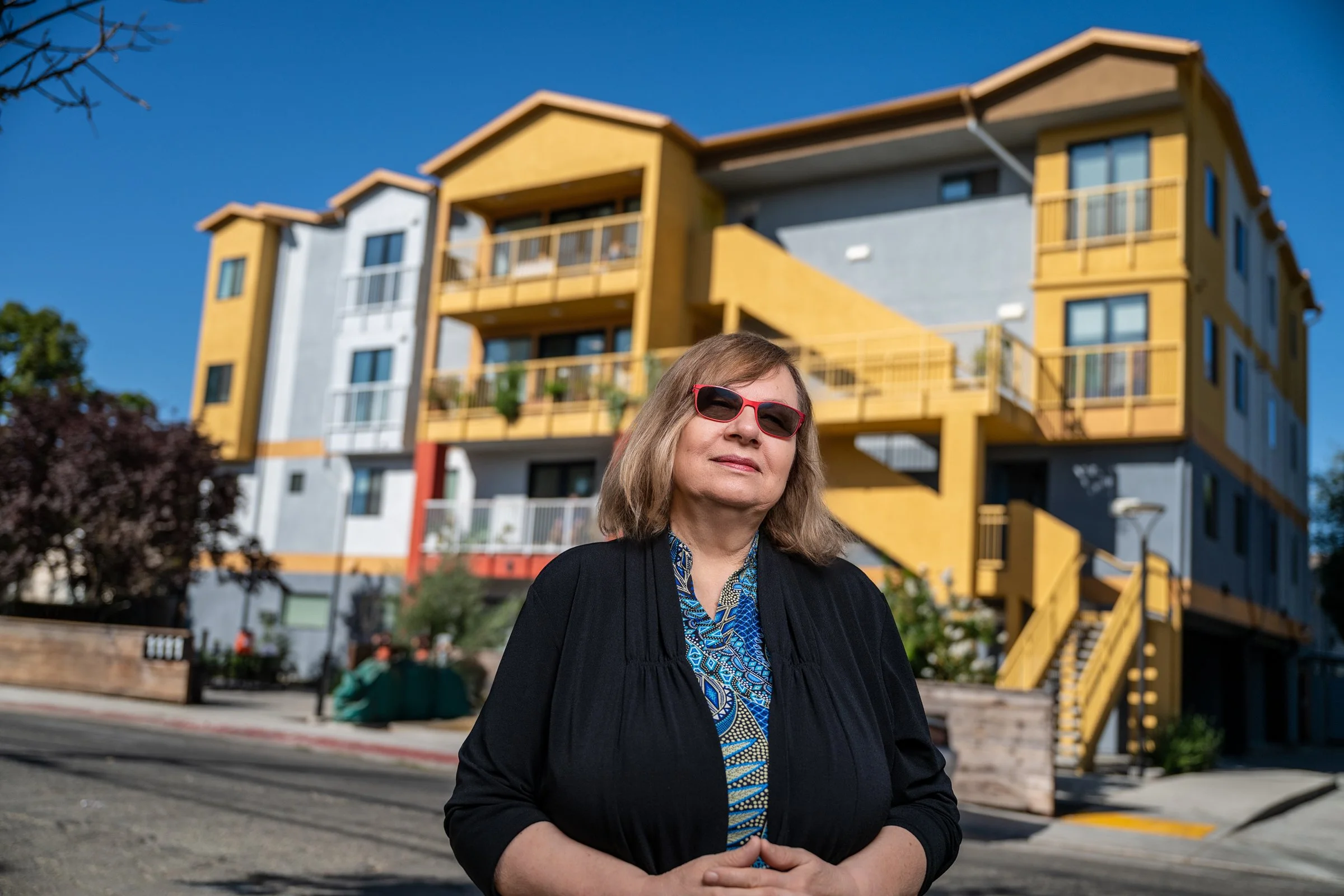
As January comes to a close, it feels like the right time to pause and look back at 2025. It was a year filled with a wide range of projects, shifting environments, and steady growth—both professionally and personally.

From a work standpoint, executive and corporate portraits made up a significant portion of the year. While I’ve photographed people for decades, something about the rhythm of this work really settled in over the past year. Whether it was a single executive or a team of seventy, the process became more refined, more efficient, and more consistent.

One of the realities of corporate portrait photography is time. Sometimes you get to slow down, connect, and build rapport. Other times, you may have five minutes—or less—with each person. In one case this year, I photographed roughly seventy individuals in a single afternoon. Experiences like that don’t allow for hesitation. They require preparation, adaptability, and the confidence to execute under pressure.

That confidence comes from repetition. Years of working quickly, solving problems on the fly, and knowing my gear inside and out have made it possible to walk into almost any situation and deliver. One project in San Francisco summed that up well. I had planned for a large conference room and instead found myself working in a standard hotel room with low ceilings and tight space. With executives rotating through on a strict schedule, there was no margin for error. The lighting plan had to change, and it had to work immediately. It did.

While assistants are invaluable in many scenarios, I’ve also learned that my system is dialed in enough that, in some cases, working solo is actually more efficient. Setup and breakdown are faster, decisions are immediate, and the process stays streamlined.

What continues to draw me to portrait work is the interaction itself. Occasionally, that connection happens fast. Other times, it happens before the camera ever comes out. One client and I talked for nearly thirty minutes before taking the first photo. That wasn’t intentional—it just happened. But once the camera came up, the conversation continued. The result was a relaxed, natural session that felt less like a photoshoot and more like a dialogue. That comfort always shows in the final images.

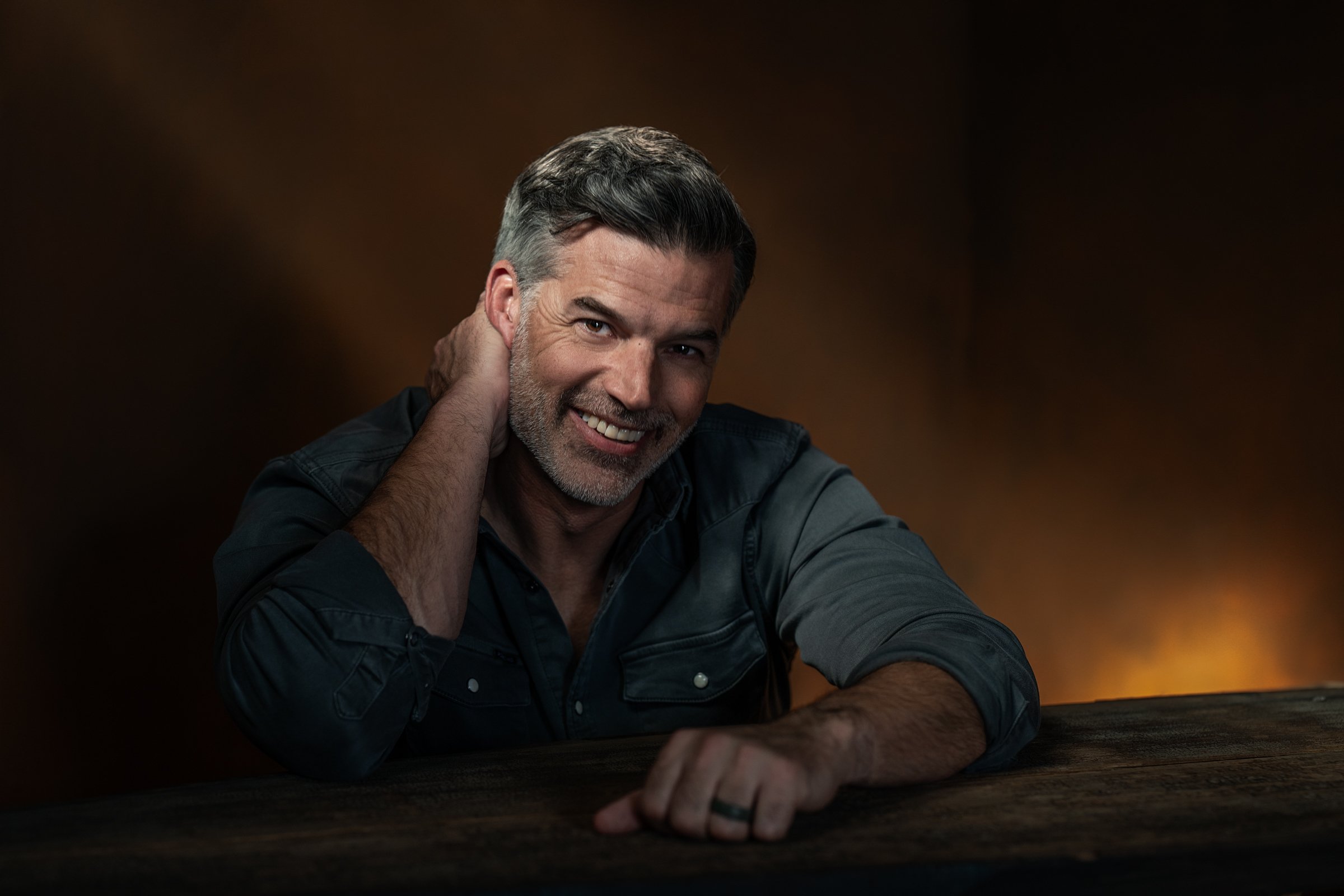
Professional portrait of a smiling man with salt-and-pepper hair leaning forward, photographed in a studio with warm, dramatic lighting.

From a technical standpoint, one of the biggest improvements in 2025 was workflow. Editing tools and smarter processes have significantly reduced turnaround time without sacrificing quality. Jobs that once took days now take a fraction of that time, which benefits both my clients and me. Efficiency matters, especially when handling high-volume corporate portrait sessions with tight deadlines.

On a more personal level, 2025 marked a significant shift in perspective. Being baptized Catholic and finding a stronger footing in my faith has influenced how I approach my work. It’s less about taking every project that comes along and more about asking whether the work aligns with my values. That clarity has made it easier to say no when something doesn’t feel right—and more confident saying yes when it does.

Balance was another theme this past year. While photography always carries a degree of uncertainty—doing everything “right” doesn’t guarantee the phone will ring—it’s a career that requires constant effort and resilience. Not everyone is built for that. I’m aware of the pressure that comes with it, especially when one successful year leads directly into the question of doing it all over again.

That’s where personal projects come in.

Some of the most meaningful work I did in 2025 wasn’t commercial at all. Spending a day embedded at Mahon Ranch, or documenting multiple days with my son’s ROTC unit in Wyoming, reminded me why I started photographing in the first place. Those projects allowed time—time to observe, to listen, and to understand the heartbeat of a place or a group of people. That kind of work pushes me creatively and keeps me grounded.

As I look ahead to 2026, I want to continue building on what worked: efficient, high-quality corporate and executive portraiture paired with intentional personal projects that challenge and inspire me. That combination is what keeps the work honest, sharp, and sustainable.

Thanks to everyone who trusted me with their image, their time, and their stories in 2025. I’m looking forward to what comes next.

Read More
Deep Thoughts, Photo Life Tim Engle Deep Thoughts, Photo Life Tim Engle

Why I Enjoy Photography More Than Ever

After years behind the camera, I find myself enjoying photography more now than when I first started. The technical side — lighting setups, exposure, gear quirks — no longer slows me down. Those things are second nature at this point, which means I can focus on what matters most: connecting with people.
After years behind the camera, I find myself enjoying photography more now than when I first started. The technical side — lighting setups, exposure, gear quirks — no longer slows me down. Those things are second nature at this point, which means I can focus on what matters most: connecting with people.

Most of my sessions feel like a conversation. We’re talking, laughing, learning about each other — and I just happen to be taking pictures in the middle of it. That shift has completely changed how I experience my work.

August review

August is always a little quieter in photography. Families are on vacation, kids are heading back to school, and businesses are focused elsewhere. Years ago, that slowdown used to stress me out. These days, I plan for it. The truth is, the “slow” months often give me the space to enjoy the projects that do come through.

Here are a few highlights from last month:

Corporate Headshots and Branding Photography in Sacramento

I worked with several professionals and businesses on portraits and branding sessions. Headshots are one of my favorite types of photography because they’re about more than just looking polished — they’re about creating an image that feels authentic and approachable.

Editorial Assignments

Editorial photography always brings something new. August included community profiles and business stories, the kind of work where you step into someone else’s world and capture what makes it unique.

Product Photography

Even something as straightforward as product photography — like a custom knife shoot I did last month — is a creative challenge. The goal is to make an object stand out and give it personality through light and composition.

Sports Photography: Friday Night Lights and Flag Football

High school football is back, and covering Casa Roble under the Friday night lights continues to be a passion project. This year also marked my first season covering girls’ flag football — one of the newest high school sports programs in California. Watching that grow from the start has been energizing to document.

Planning for the Cycle

August may be slower, but I know September and October will pick up fast. December is always a wildcard — sometimes steady, sometimes quiet. Instead of worrying about it, I’ve learned to embrace the cycle and prepare for the dips. That shift in mindset has made the work far more enjoyable.

Looking Ahead

From headshots and editorial shoots to product photography and Friday night football, August may have been “slower,” but it was far from boring. Each assignment reminded me why I love this work — and why, after all these years, I enjoy photography more than ever.

If you’re looking for corporate headshots, commercial photography, or sports coverage in Sacramento, I’d love to connect.

Read More

Why I Use What I Use: A Thoughtful Approach to Photography Gear

When I first started in photography, I’ll admit—I had my fair share of “gear envy.” The allure of shiny new equipment was hard to resist, and I made plenty of purchases that didn’t add much value to my work. Over time, I realized that having the right tools matters far more than having all the tools.

When I first started in photography, I’ll admit—I had my fair share of “gear envy.” The allure of shiny new equipment was hard to resist, and I made plenty of purchases that didn’t add much value to my work. Over time, I realized that having the right tools matters far more than having all the tools.

Today, every piece of gear in my bag serves a specific purpose. If I upgrade, it’s because the new item brings a quantum leap—whether in the quality of what I deliver or the efficiency of my process. Otherwise, I stick with what works until it wears out. This philosophy keeps me focused on what’s important: producing exceptional results for my clients.

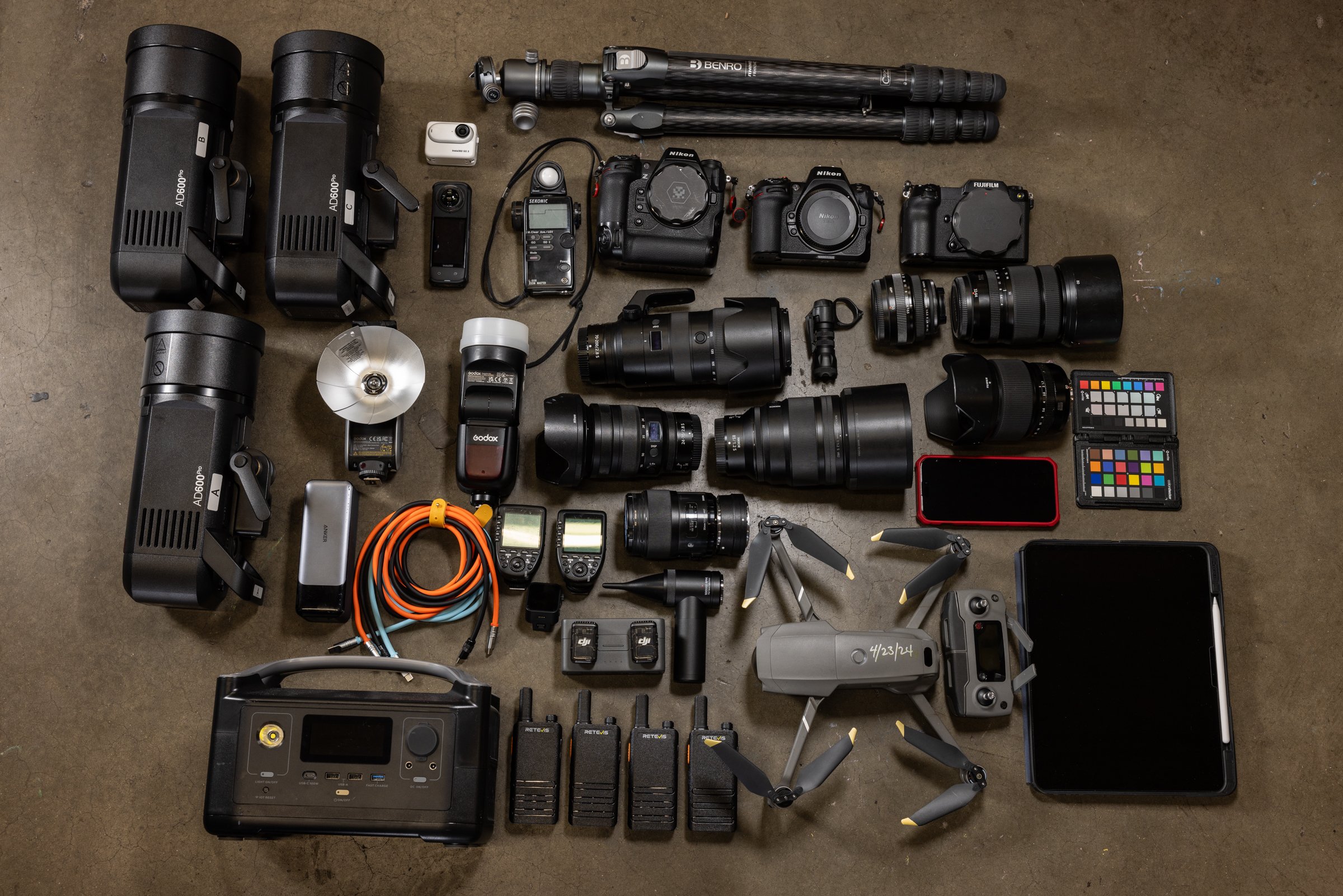
What follows is a breakdown of the tools I rely on most, along with the reasons they’ve earned a place in my kit.

Photo Credit: John Lawson

Lighting & Power

Lighting is critical in photography, and for my needs, the Godox AD600 lights strike the perfect balance of performance and cost. After my trusty Phottix strobes gave out, these became my go-to option. To power up on location, I keep the EcoFlow River portable power station handy. It’s saved countless shoots where access to outlets was limited.

When it comes to shaping light, I exclusively use Phottix modifiers. They’re incredibly versatile, durable, and feature innovative designs that make them a joy to work with. Whether I need soft, even lighting for portraits or more dramatic directional light for commercial projects, Phottix modifiers always deliver. They’re an essential part of my kit, even if they didn’t make it into the photo.

Cameras & Lenses

At the heart of my gear are my Nikon Z9 and Z8 cameras. The Z9 is my workhorse, responsive and robust, while the lighter Z8 is a great backup (and increasingly a favorite). For studio work, I turn to the Fujifilm GFX 50 II medium-format camera, which delivers exceptional detail and depth.

My Nikon lens kit includes the versatile 24-70mm, the dependable 70-200mm, and the portrait-perfect 85mm. For creative work, I still love my Sigma 35mm f/1.4, even though it requires an adapter. Each of these lenses plays a key role in my workflow.

Tech & Tools

Incorporating technology has been a game-changer for client interaction and efficiency. My iPad Pro connects directly to my cameras for real-time proofing, saving time and ensuring clients get exactly what they want. The DJI Mic 2 makes audio for social media videos seamless, and my Insta360 cameras capture behind-the-scenes content that adds value to my projects.

I also rely on smaller essentials like my Sekonic light meter, color checker, and high-speed blower—tools that might seem minor but can make a big difference in the final product.

My Chubby cables are another small but vital addition. These high-speed, durable cables keep my gear connected and charged, and their extra length makes them incredibly versatile for on-location work.

For quick recharges, I keep an Anker portable battery in my kit. It’s compact, reliable, and perfect for topping up smaller devices like my phone or camera accessories during a shoot.

Support & Efficiency

Good support gear is just as important as cameras and lenses. My Benro tripod is lightweight, durable, and easy to adjust on the fly. On larger sets, walkie-talkies keep communication clear and efficient. My trusty Mavic 2 drone adds a dynamic perspective to certain shoots, whether for events or creative commercial work.

Final Thoughts

This gear isn’t about showing off—it’s about delivering quality and consistency to my clients. Over the years, I’ve moved away from chasing the latest gadgets and focused on tools that genuinely improve my work. If it doesn’t help me create better images or save time, it doesn’t make the cut.

Whether you’re a photographer or in another field, I hope this post inspires you to think critically about the tools you rely on. It’s not about having the most—it’s about having what works. What’s in your toolbox? I’d love to hear about the tools that help you do your best work—drop a comment below!

Read More

The Unyielding Pursuit of Excellence in Photography: A Professional's Reflection

In the ever-evolving world of photography, the landscape is littered with the echoes of shutter clicks from those who've come and gone. The journey through the lens is challenging and fraught with competition and the constant demand for innovation and excellence. Over my years in the photography community, I've witnessed many talented individuals enter the fray with hopes high and dreams vast. Yet, many find themselves unable to weather the storm of the industry, struggling to secure consistent commercial clients.
In the ever-evolving world of photography, the landscape is littered with the echoes of shutter clicks from those who've come and gone. The journey through the lens is challenging and fraught with competition and the constant demand for innovation and excellence. Over my years in the photography community, I've witnessed many talented individuals enter the fray with hopes high and dreams vast. Yet, many find themselves unable to weather the storm of the industry, struggling to secure consistent commercial clients. Reflecting on this phenomenon, I've realized a critical element that often dictates the difference between fleeting presence and enduring success: the rigorous self-critique of one's work.

The Critical Eye

In photography, as in all art forms, being your harshest critic is not a mere suggestion—it's a necessity. The journey of a photograph from a mere click to a captivating image presented to the world is paved with decisions. What many emerging photographers tend to overlook is the importance of discerning feedback. The industry is rife with well-meaning compliments that, while encouraging, do little to push one's boundaries or challenge one's creative limits. True growth emerges from the crucible of constructive criticism, often from those with a qualified eye, those who can see beyond the surface and challenge you to dig deeper into your creative well.

Quality Over Quantity

The mantra of showing the world only your best cannot be overstated. Establishing a personal benchmark of quality that you vow never to dip below ensures that your portfolio reflects your skill and your unwavering commitment to excellence. This discipline in selectivity sharpens your critical eye and builds a brand reputation that clients can trust for consistency and quality. It's about understanding that every piece you share is a testament to your standards and should be something that not only meets but exceeds your expectations.

Measuring Against the Greats

One of the most humbling yet inspiring practices is measuring your work against the greats in the field. This doesn't mean falling into the trap of comparison but rather using their achievements as a beacon to guide your growth. It's about recognizing the gap between where you are and where you aspire to be—not as a discouragement but as a challenge to push further, innovate, and refine your vision.

The Journey Is the Destination

The path to achieving and surpassing your goals in photography is never-ending. Every milestone reached reveals a new landscape of possibilities and challenges. This relentless pursuit keeps the passion alive, driving us to explore new techniques, capture life from uncharted perspectives, and tell stories that resonate on a universal level.

Final Thoughts

For those of us dedicated to photography, the journey is both our curse and our blessing. It's a field where the only constant is change, and excellence is not a milestone but a continuous pursuit. As I reflect on my journey and the evolution of my work, I'm reminded that the true essence of photography lies in the relentless pursuit of capturing not just images but emotions, moments, and the indescribable beauty of the world around us. It's a reminder that in photography, as in life, pursuing excellence is an unending journey that demands our best at every click.

Read More

Embracing Faith and Photography: Documenting the National Eucharistic Pilgrimage

The Decision to Volunteer

When the National Eucharistic Pilgrimage came up, it piqued my interest as a photographer and someone on a faith journey. I reached out to the organizers, and they were incredibly receptive. Adjusting my schedule to volunteer was a joy, as it allowed me to witness the dedication and faith of the pilgrims firsthand.
A Journey of Faith

Fr. Luke Joseph Leighton

Almost a year ago, I began exploring my faith more deeply. While my wife and family have always been devout Catholics, this was the first time I truly engaged with it. This new awareness led me to pay closer attention to events like the National Eucharistic Pilgrimage, seeing it as more than a photographic subject.

The Decision to Volunteer

When the National Eucharistic Pilgrimage came up, it piqued my interest as a photographer and someone on a faith journey. I reached out to the organizers, and they were incredibly receptive. Adjusting my schedule to volunteer was a joy, as it allowed me to witness the dedication and faith of the pilgrims firsthand.

The Process and Experience

The pilgrimage was a testament to faith and commitment, requiring extensive planning and effort. Witnessing the joy among the pilgrims and those joining in was inspiring. However, as a photographer, I had to maintain a certain detachment. While moments of reverence called for kneeling in church, I had to remain standing, ready to capture the perfect shot.

The Importance of Creative Engagement

As a photographer and creative, diving into subjects without financial gain is crucial. Often, these projects cost me money because I must forgo other work, but they fulfill me creatively and spiritually. This experience with the pilgrimage has not only deepened my faith but also significantly improved my craft. Engaging with meaningful subjects enhances my technical skills and mental approach, enriching my creative process.

Technical Aspects and Personal Touch

Bishop Jaime Soto

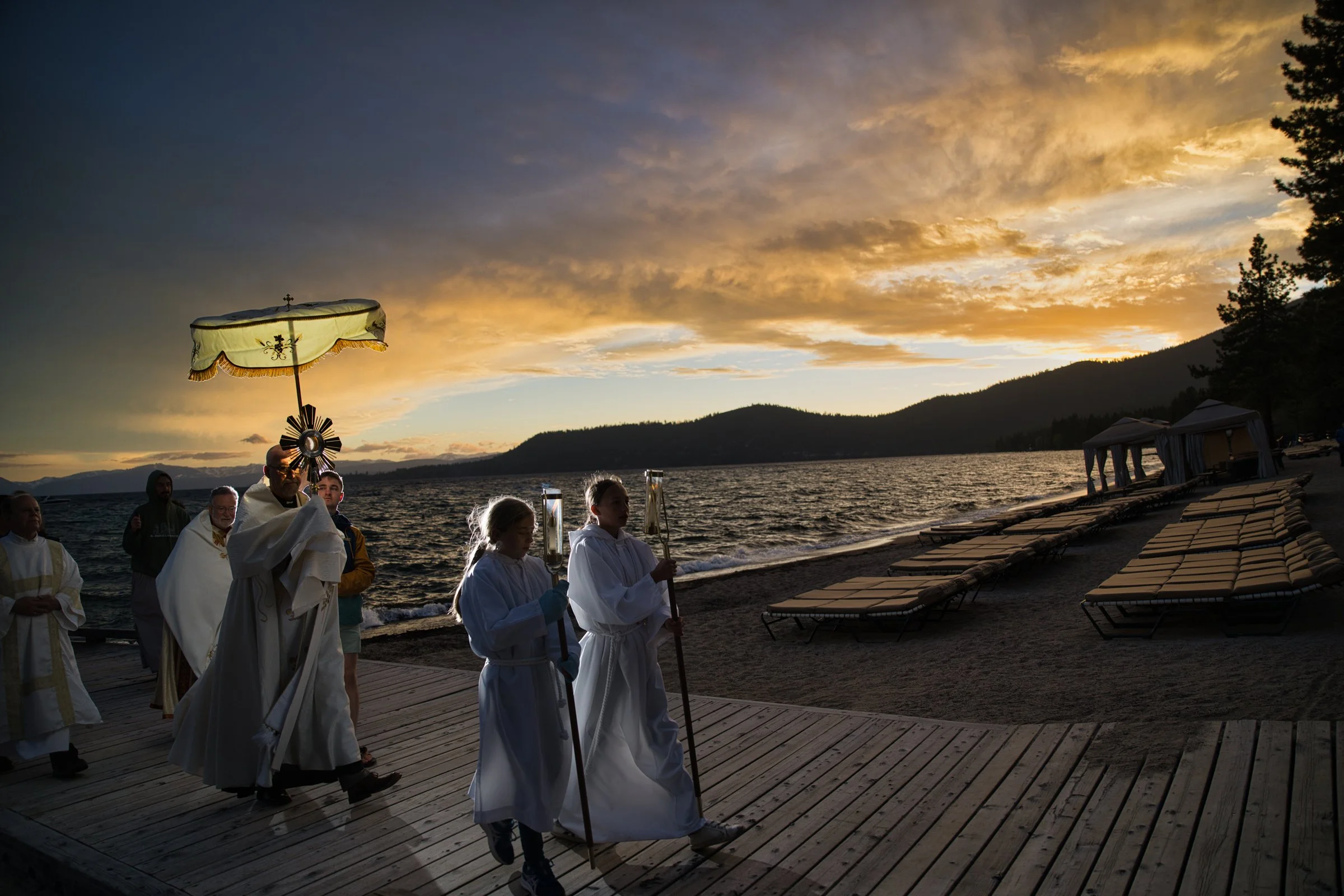
The pilgrimage culminated in Lake Tahoe, where my wife joined me. Her presence was invaluable, not just emotionally but also technically. She handheld a small strobe opposite the camera, providing an excellent edge light and, in one instance, creating a dramatic reflection of the monstrance into the bishop’s face. This collaboration added depth to the visual storytelling and made the experience even more special.

Conclusion

From left to right: Father Luke Leighton, Me, Madison Michel, Jack Krebs, Jimmy Velasco, Dereck Delgado, Chas East, Chima Adiole, Jaella Mac Au, Brother Matthew Solanus, Patrick Fayad.

Documenting the National Eucharistic Pilgrimage was a unique blend of faith and photography. With 1317 images captured, I look forward to sharing this visual narrative, reflecting the spiritual journey and the technical artistry involved. Stay tuned for more as I explore and document these meaningful moments.

Really enjoyed my time with Fr. Luke Joseph Leighton

Read More

Mastering Your Gear: The Key to Elevating Your Photography

In the realm of photography, understanding the ins and outs of your equipment is not just about getting acquainted with your tools

In the realm of photography, understanding the ins and outs of your equipment is not just about getting acquainted with your tools—it's about forging a deeper connection that elevates your artistry, professionalism, and efficiency. Here’s why knowing your gear is indispensable for photographers at any stage of their career.

Unlock Speed and Efficiency

Photography often involves capturing fleeting moments that don’t wait for anyone. Deep knowledge of your equipment ensures you can adjust settings on the fly, seamlessly adapting to the rapid pace of events, be it a wedding, a sports game, or a candid street photography session. The ability to react swiftly and surely means the difference between a missed opportunity and a masterpiece.

Fuel Creative Experimentation

Understanding the limits and capabilities of your gear is like knowing the brushes and colors in your palette. It opens up avenues for creative experimentation, allowing you to explore new techniques and styles. From exploiting lens characteristics for artistic effects to pushing your camera's limits in challenging lighting conditions, familiarity breeds innovation.

Make Informed Gear Decisions

A comprehensive grasp of what your equipment can achieve helps you make smarter decisions when it's time to upgrade or expand your kit. It prevents unnecessary purchases and ensures that when you do invest, it’s in gear that complements and enhances your existing setup. This cost-effective approach to gear management is invaluable in the long-term growth of your photography practice.

Project Confidence and Earn Trust

There’s a visible confidence that comes with equipment proficiency, and it’s something your clients will notice—and appreciate. Being adept with your gear not only smooths the shooting process but also builds trust. Clients feel more relaxed and cooperative, knowing they’re in capable hands, which can lead to better outcomes and future referrals.

Adapt and Thrive in Any Environment

Each shooting environment presents unique challenges. Whether you're dealing with low light, fast action, or unpredictable weather, knowing your gear inside out means you can adapt quickly. This versatility ensures you can deliver consistent, high-quality results, no matter the circumstances.

Streamline Your Post-Processing Workflow

A solid understanding of your equipment’s technical capabilities affects not just capture but also post-processing. Knowing how your camera handles different conditions informs your shooting decisions and guides your editing process, leading to a more efficient workflow and higher quality outputs.

Conclusion

The journey to mastering your photography equipment is a continuous one, marked by curiosity, experimentation, and growth. It's about more than just technical proficiency; it's about developing a relationship with your tools that empowers you to bring your creative vision to life with confidence and skill. Investing the time to deeply understand your gear is not just beneficial—it's essential to unlocking the full potential of your photography.


Read More