
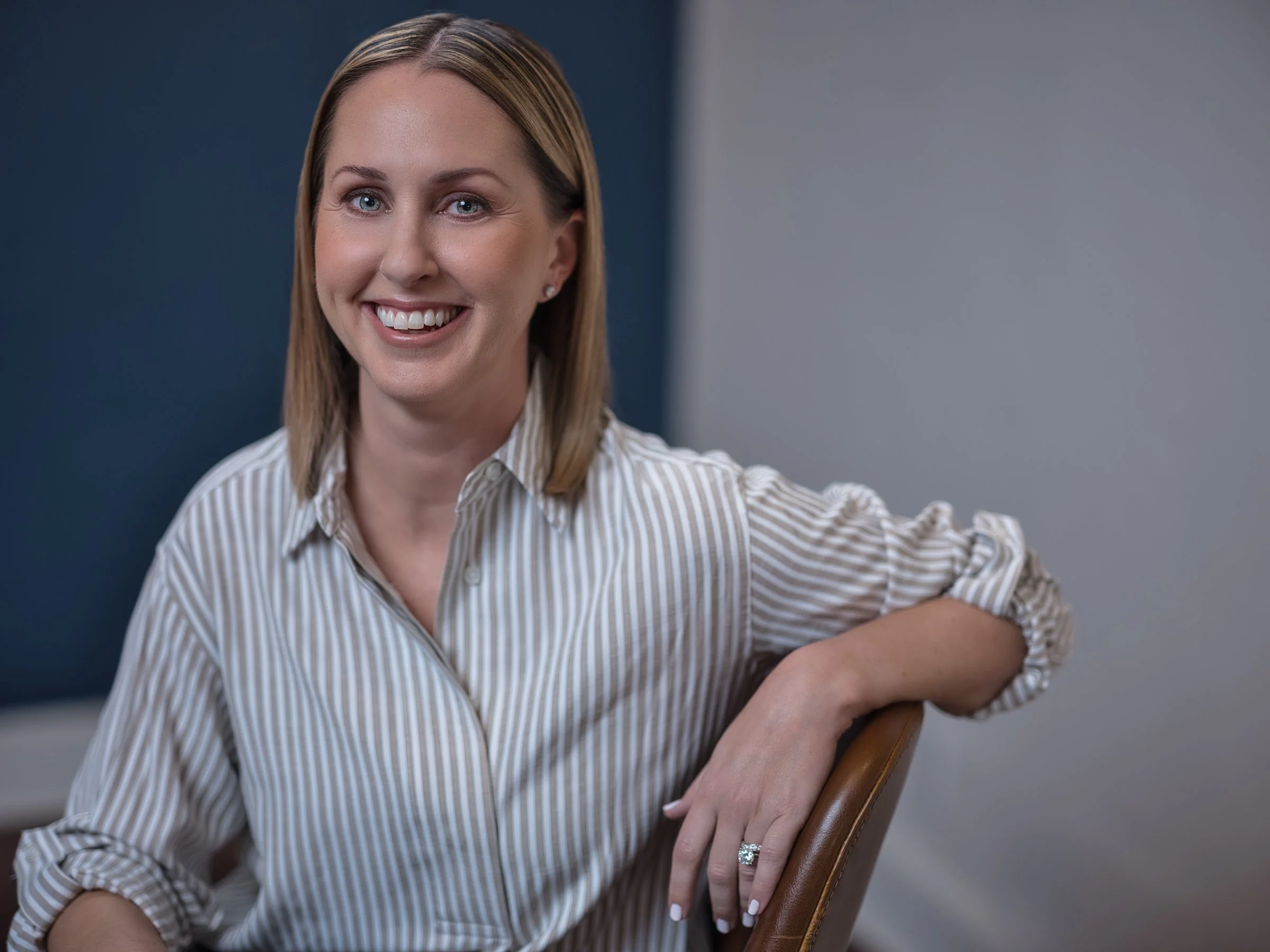
Why I Don’t Believe in the “Ultimate Posing Guide”
Forget the “Ultimate Posing Guide.” True posing is about authenticity, not memorization. In this post, I break down how I approach posing as a conversation—not a command—and why the most natural movements often lead to the strongest images. Whether you’re a photographer or someone who hates being in front of the camera, there’s something here for you.
And why your best pose might already be in you.
I keep seeing ads and social posts promoting the Ultimate Posing Guide—as if there’s some perfect list of positions that work for everyone. But here’s the truth I’ve learned over the years: there’s no such thing.
Sure, I have a few base poses that tend to work for most people, but trying to make someone copy a pose they physically can’t do—or that just doesn’t feel natural—never works. You can see it in the photo. And worse, you can feel it.
Authenticity Over Imitation
What actually works is watching people. I pay attention to how someone naturally stands, how they move, how they interact. I take cues from that and build from there. That approach leads to images that feel real, not staged. It works across the board—whether we’re shooting fashion or portraits or branding.
Hands Matter More Than You Think
One thing I talk about often is what to do with your hands. They matter—a lot. Your hands need to have intent. They shouldn’t be doing something random, and they shouldn’t be in conflict with your facial expression.
I’ve seen plenty of technically strong portraits where the hands feel stiff or disconnected. The subject looks powerful in the face, but the hands are saying something else. People might not notice it consciously, but they feel it. And that disconnection can throw off the entire image.
That said, there are times when I’ll intentionally create tension by having the hands and face tell different stories—but that’s a deliberate creative decision, not a default.
Posing Is a Conversation, Not a Command
One of the most valuable shifts in my approach over the years has been treating posing like a dialogue. When I work with someone, we often spend the first 20–30 minutes just talking about how they move, how they want to come across, and what feels comfortable.
I might shoot a few frames during that time—not to create finished images, but to illustrate what we’re talking about. Once we get aligned, the rest of the shoot flows naturally. It’s smoother, more comfortable, and ultimately, more authentic.
Most people don’t know their angles—and why would they? It’s my job to help discover what works, together.
Want to see this in action?
I’ll be sharing a few real-world examples and behind-the-scenes clips soon—because good posing isn’t about hitting the mark, it’s about finding the moment.
Mastering Your Gear: The Key to Elevating Your Photography
In the realm of photography, understanding the ins and outs of your equipment is not just about getting acquainted with your tools
In the realm of photography, understanding the ins and outs of your equipment is not just about getting acquainted with your tools—it's about forging a deeper connection that elevates your artistry, professionalism, and efficiency. Here’s why knowing your gear is indispensable for photographers at any stage of their career.
Unlock Speed and Efficiency
Photography often involves capturing fleeting moments that don’t wait for anyone. Deep knowledge of your equipment ensures you can adjust settings on the fly, seamlessly adapting to the rapid pace of events, be it a wedding, a sports game, or a candid street photography session. The ability to react swiftly and surely means the difference between a missed opportunity and a masterpiece.
Fuel Creative Experimentation
Understanding the limits and capabilities of your gear is like knowing the brushes and colors in your palette. It opens up avenues for creative experimentation, allowing you to explore new techniques and styles. From exploiting lens characteristics for artistic effects to pushing your camera's limits in challenging lighting conditions, familiarity breeds innovation.
Make Informed Gear Decisions
A comprehensive grasp of what your equipment can achieve helps you make smarter decisions when it's time to upgrade or expand your kit. It prevents unnecessary purchases and ensures that when you do invest, it’s in gear that complements and enhances your existing setup. This cost-effective approach to gear management is invaluable in the long-term growth of your photography practice.
Project Confidence and Earn Trust
There’s a visible confidence that comes with equipment proficiency, and it’s something your clients will notice—and appreciate. Being adept with your gear not only smooths the shooting process but also builds trust. Clients feel more relaxed and cooperative, knowing they’re in capable hands, which can lead to better outcomes and future referrals.
Adapt and Thrive in Any Environment
Each shooting environment presents unique challenges. Whether you're dealing with low light, fast action, or unpredictable weather, knowing your gear inside out means you can adapt quickly. This versatility ensures you can deliver consistent, high-quality results, no matter the circumstances.
Streamline Your Post-Processing Workflow
A solid understanding of your equipment’s technical capabilities affects not just capture but also post-processing. Knowing how your camera handles different conditions informs your shooting decisions and guides your editing process, leading to a more efficient workflow and higher quality outputs.
Conclusion
The journey to mastering your photography equipment is a continuous one, marked by curiosity, experimentation, and growth. It's about more than just technical proficiency; it's about developing a relationship with your tools that empowers you to bring your creative vision to life with confidence and skill. Investing the time to deeply understand your gear is not just beneficial—it's essential to unlocking the full potential of your photography.
Location Scouting
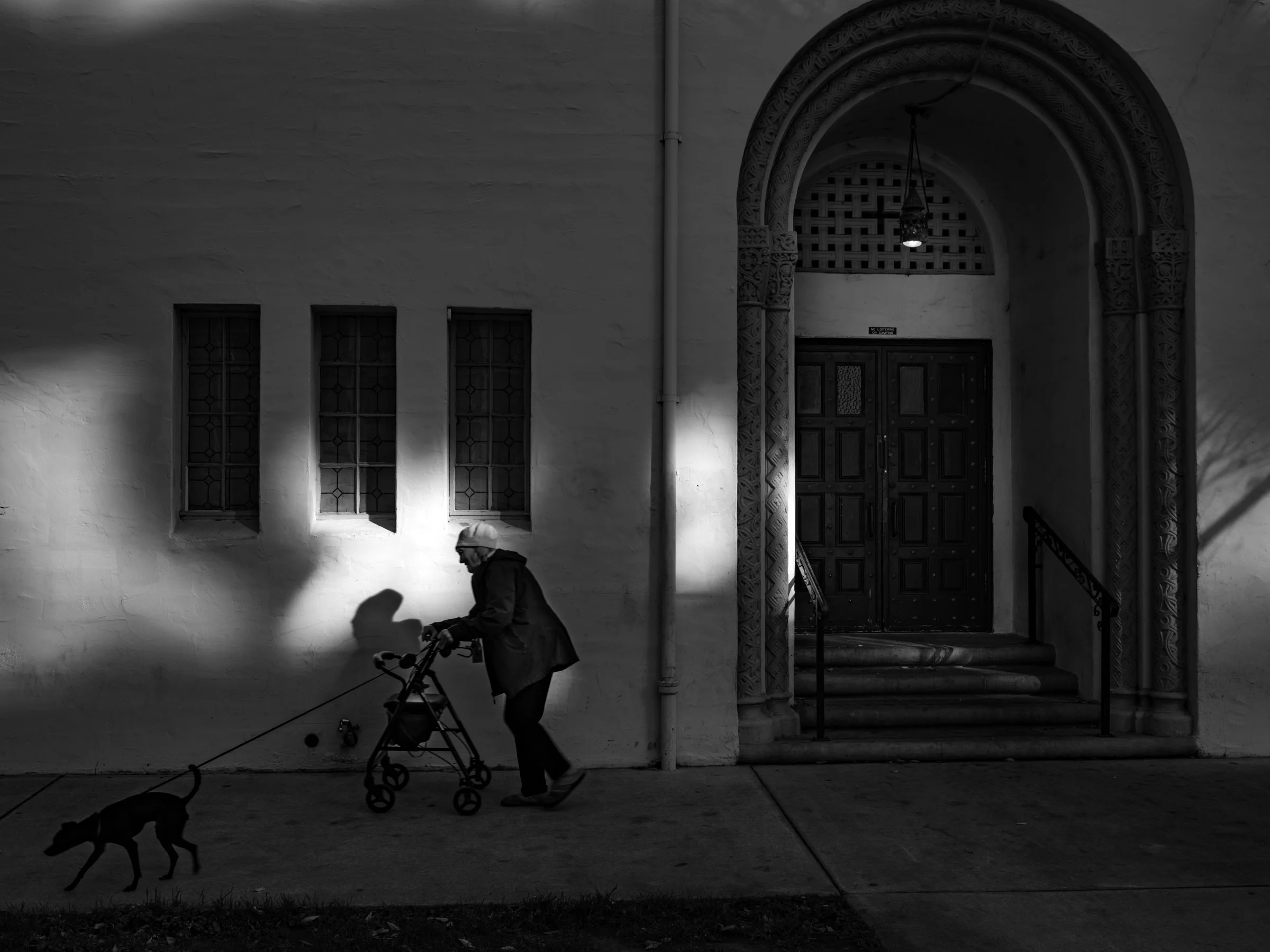
Scouting your own locations for photography can be a powerful tool for serving your clients. By taking the time to personally explore and evaluate different locations, you can gain a deeper understanding of the unique characteristics and potential of each location. This can help you to better visualize and plan for the types of shots you want to capture, and to identify any challenges or limitations that may arise during the shoot.
Scouting your own locations for photography can be a powerful tool for serving your clients. By taking the time to personally explore and evaluate different locations, you can gain a deeper understanding of the unique characteristics and potential of each location. This can help you to better visualize and plan for the types of shots you want to capture and to identify any challenges or limitations that may arise during the shoot.
Additionally, scouting your own locations can allow you to tailor your recommendations to your clients based on their specific needs and preferences. Whether they are looking for a scenic outdoor setting, a modern urban backdrop, or something more intimate and personal, you can use your knowledge of local locations to suggest options that will best meet their needs.
Overall, scouting your own locations for photography can help you to be more proactive, creative, and confident in your work, which can ultimately lead to happier clients and better results.
30 days with a 40
If you ever hang out with me you'll notice that for the most part, I am a prime lens shooter. Not that I don't like zoom lenses, but they don't have a great place in my bag for what I do. At the moment I have an 85mm prime and the 35mm prime, both from SIGMA.
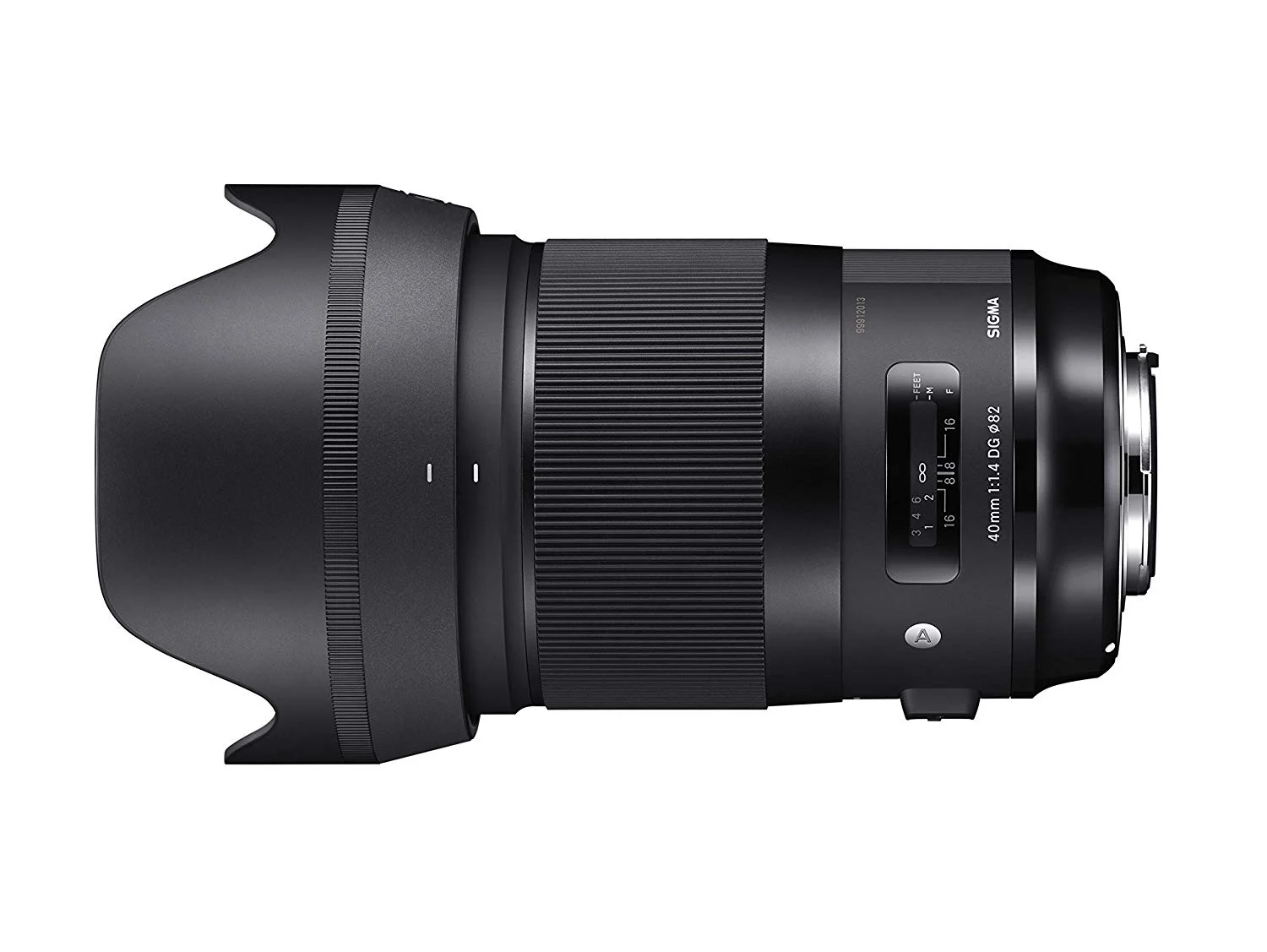
If you ever hang out with me you'll notice that for the most part, I am a prime lens shooter. Not that I don't like zoom lenses, but they don't have a great place in my bag for what I do. At the moment I have an 85mm prime and the 35mm prime, both from SIGMA. Those two lenses seem to be able to cover everything I need to do from portrait to full body images. Lately, I've been thinking about adding something in the middle, probably a 50mm. Talking with the SIGMA rep, he suggested that I try out the brand new 40mm F1.4 DG HSM. He kindly offered to send it to me to use for a month, well, of course, I'll said yes! When I received the lens in the mail, the first thing that I noticed was this lens was a substantial piece of glass. The build quality on it is impressive, it definitely feels like a solid lens.
Knowing that I had the lens for 30 days, my goal was to put it in as many scenarios as I could to see how the lens performed.
I have to say that I'm very impressed as it has very minimal vignetting for a wide lens. It focuses very fast and is exceptionally sharp. I worked the lens quite a bit at F1.4 and it was always spot on.
I most certainly will be adding this lens to my bag in the near future.
40mm F1.4 DG HSM in action with the amazing Anna Lisa Wagner
Portrait Shoot Progression
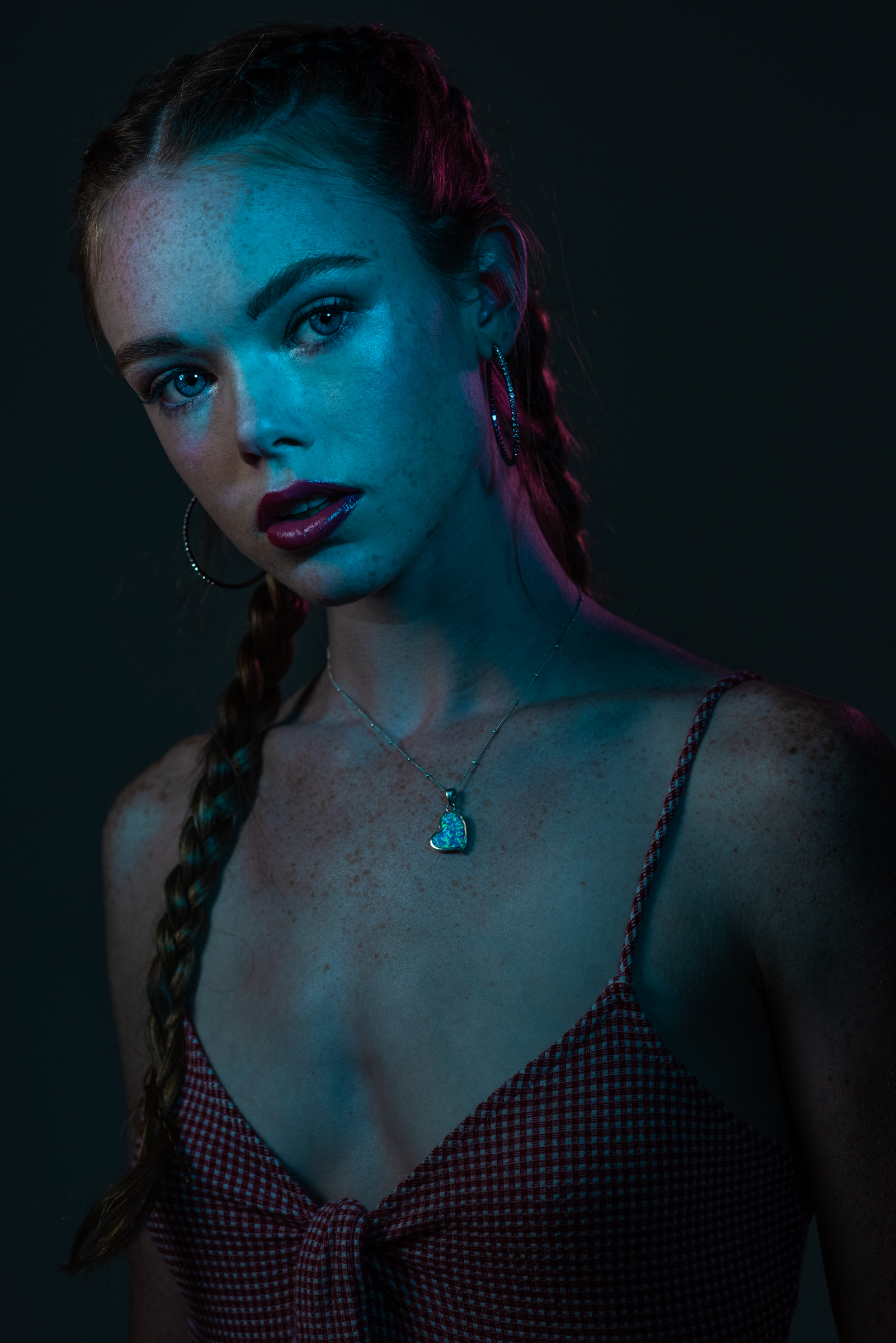
Over the years I've developed a rhythm which allows me to get to know the model, as well as what type of lighting works best for them. This week was a prime example; Emily was in my studio for a portrait session, and while I've worked with her in the past, this was her first portrait session with me. My normal progression is what I like to call, “no make up, makeup, and lighting.” For the no makeup look, I normally just use natural light from an open door. Typically I shoot these on a black background. This allows me to really focus on the subject’s face and learn what lighting and lenses are a good match for them. Once I get these shots done, I have the makeup artist begin the model’s first makeup look. By the time I get the last image, it's typically something a little more complex with the lighting.
I receive many questions regarding my workflow in photographing new models and faces, so I thought I would address some of them. This post is only about photographing models from talent agencies or bookings directly with a model.
Over the years I've developed a rhythm which allows me to get to know the model, as well as what type of lighting works best for them. This week was a prime example; Emily was in my studio for a portrait session, and while I've worked with her in the past, this was her first portrait session with me. My normal progression is what I like to call, “no make up, makeup, and lighting.” For the no makeup look, I normally just use natural light from an open door. Typically I shoot these on a black background. This allows me to really focus on the subject’s face and learn what lighting and lenses are a good match for them. Once I get these shots done, I have the makeup artist begin the model’s first makeup look. By the time I get the last image, it's typically something a little more complex with the lighting.
First image made with no makeup. For this I used the Sigma 35mm.
In the progression of Emily's images, I photographed her with no makeup for the first set. I loved how her freckles showcase the natural beauty she possesses. Next, I have the makeup artist add to her look while still keeping it simple. I work fairly rapidly throughout all the different looks. For each set up, I may only spend about 10 minutes. My goal is to get 3 to 4 really strong images from each look.
During last round of makeup, I normally let the makeup artist do something they've been dying to try. It's always good to allow collaboration with your team. Having the hairstylist or makeup artist use their creative juices can inspire me as well. There are times that this collaboration has produced some of my best images. All the looks put together in this type of session typically take about a three and a half hours.
For this image the makeup artist did minimal makeup. I want these as close to there real look as possible.
Finally, the equipment I use stays pretty consistent. I use my Nixon D4 & Nikon D810. The lenses I shoot with 85% of the time are the Sigma 35mm f1.4 Art Lens and the Nikon 85mm f1.8. For the lighting I use Phottix Indra 500 with various modifiers.
If you have any questions, I’m always open about how I do, what I do, so please drop me a note.
Happy Clicking!
Tim
Good Day Sacramento Visit
I was honored to be part of a segment on Good Day Sacramento on December 23, 2016 featuring getting better results from your iPhone. It took me a day to prepare for the show with some help from Action Camera in Roseville and to line up a model to use for some examples.
I was asked by Bethany Crouch from good Day Sacramento come in and talk about getting the most out of your holiday photos using your iPhone. It makes me really nervous doing live tv, but Bethany makes it so easy and helps me to feel comfortable. I could never do it without her. I was joined by my good friend and model Amanda Pacheco. We have worked together for quite a few years now and she just keeps getting more beautiful!
Thanks to Action Camera in Roseville for setting me up with some cool tools!
The first segment went over some tips on taking better images with your iPhone
- Keep Your Lens Clean
- Change your perspective
- Move in (Manually)
- Photograph Reflections
- Shoot Outdoor Christmas Lights Before It Gets Too Dark
- Backup your images
For the second segment my favorite place on earth (Action Camera) gave me some cool accessories to show off. These are the items we discussed on the show.
From Action Camera
Holga LED light - $34.95
Flexipod Max - $14.95
Keychain Tripod - $4.95
install mini 70 - $139.00: $40 rebate on now
DJI OSMO Mobile - $299
Ring Selfie Fill-Light - $11 to $19 : Amazon
LED Camera Video Ring Light - $90 : Amazon
Anker Battery Pack - $ 39 : Amazon
I must say that the staff and anchors at the morning show could not have been nicer. After watching them for many years it was great to meet them in person. I did stick around a little bit and make some on set images
The one and only Bethany Crouch.
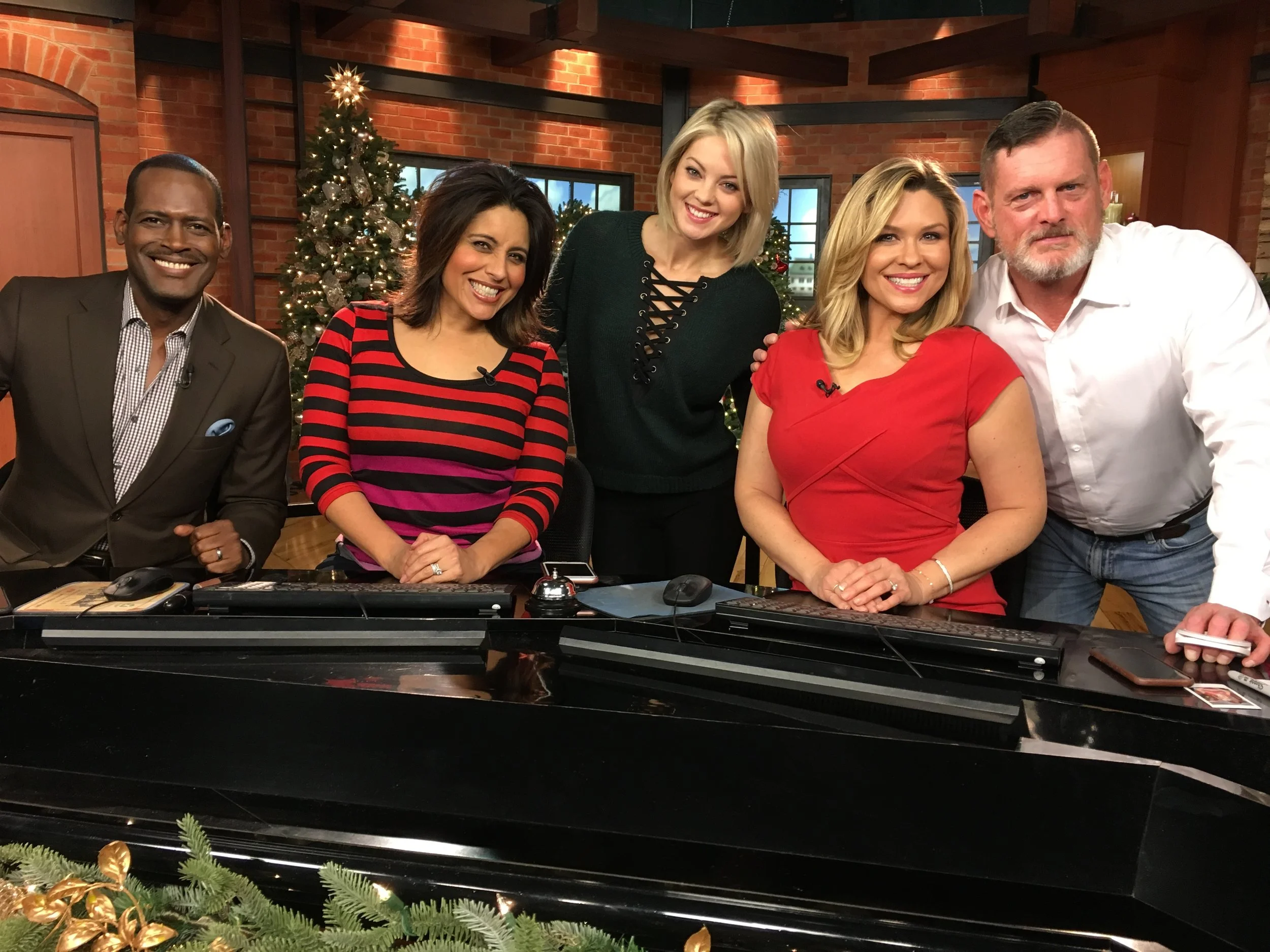
Ken Rudulph, Julissa Ortiz, Amanda Pacheco, Bethany Crouch and me..