
Why Photographers Should Still Shoot Personal Work

A recent portrait photography session in downtown Sacramento reminded me why personal work matters. Personal projects allow photographers to experiment with lighting, gear, and creative ideas that often influence their professional portrait work.
Portrait Photography and Creative Growth in Sacramento

At the beginning of this year I spent some time reflecting on 2025 and asking a simple question: what work actually made me happy as a photographer?

Like most working photographers, a lot of my time is spent on assignments. Corporate headshots, editorial projects, marketing images, and portrait photography for clients. That work matters and it keeps the business moving forward. But when I looked back at the year, something interesting stood out.

Some of the photographs I felt the most connected to weren’t assignments at all.

They were the images I made simply because I wanted to make them.

Those shoots usually start with a simple idea: meet a friend downtown, try a lighting concept, experiment with a piece of gear I haven’t used in a while, or explore a location that looks interesting. There’s no client attached to it and no specific deliverable at the end of the day.

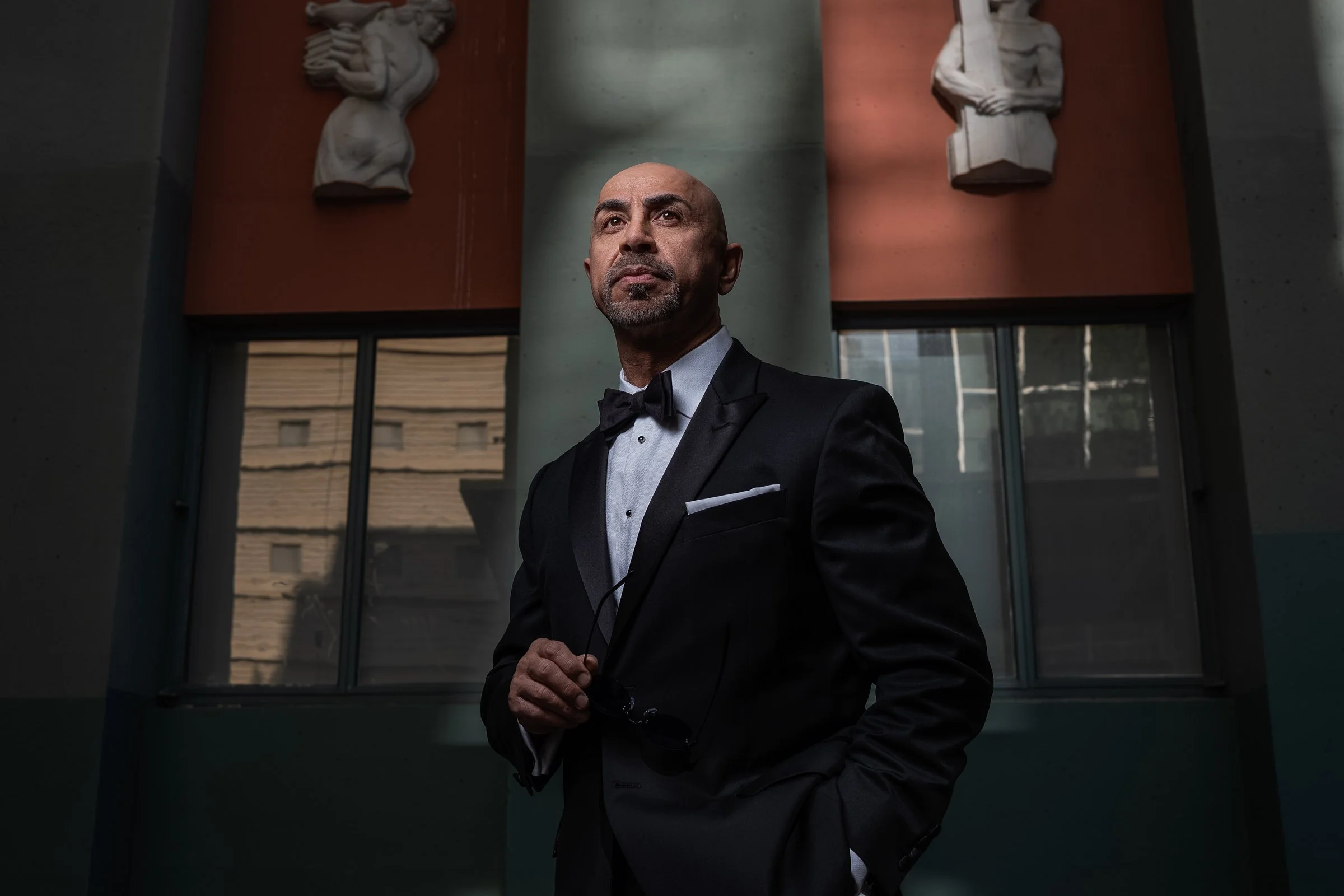
Environmental portrait of Sam Altawil in downtown Sacramento photographed with dramatic natural light and strobe.

Ironically, those shoots often produce some of the most valuable work I make all year.

A Creative Reset for Photographers

When you photograph professionally long enough, it’s easy to fall into patterns. Certain lighting setups. Certain compositions. Certain ways of directing people in front of the camera.

Client work often rewards consistency.

Personal work gives you the freedom to break those patterns.

A recent portrait session with my friend Sam Altawil in downtown Sacramento reminded me why that freedom matters. Sam had just picked up a new tuxedo and we thought it would be fun to meet early in the morning and make some portraits around the city.

Portrait of Sam Altawil wearing a tuxedo during a downtown Sacramento portrait photography session.

There was no assignment attached to the shoot. The goal was simply to see what we could create.

That freedom changes the way you approach photography. You notice light differently. You take more risks. You try ideas that might fail. And sometimes those ideas eventually find their way into your professional work.

Experimenting With Portrait Lighting

One of the things I wanted to explore during this shoot was working with a simple lighting setup and letting the environment play a role in shaping the portrait.

Editorial-style portrait of Sam Altawil photographed in downtown Sacramento using natural reflections and off-camera lighting.

Downtown Sacramento is a great place for portrait photography because light reflects off glass, concrete, and nearby buildings. Those reflections create natural patterns of light and shadow that can dramatically change the mood of a photograph.

By combining a single strobe with the reflections already present in the environment, the lighting becomes more dynamic without needing a complicated setup.

Downtown Sacramento portrait photography session with Sam Altawil using a single strobe and natural reflected light.

Shoots like this are where you refine technique. You learn how light behaves in real environments. You see how subtle changes in position affect the mood of a photograph. And sometimes you rediscover gear or techniques you haven’t used in a while.

Those lessons almost always carry forward into future assignments.

Changing Up the Gear

For this shoot, most of the images were made using the Fujifilm GFX50S II paired with a 50mm lens.

The 50mm isn’t a lens I use all the time on that camera system, which made this the perfect opportunity to pull it back out and spend some time working with it again. Like most photographers, I tend to fall into habits with gear and reach for the same lenses repeatedly.

Personal projects are a great excuse to break those habits.

Working with a lens you don’t use every day forces you to think differently about composition, distance, and framing. It’s a small shift, but it often leads to new ideas or perspectives you might not have explored otherwise.

For lighting, I kept things simple and used a Godox AD600 Pro, which has been a rock-solid light for me for years. I’ve worked with a lot of different lighting systems over time, and the AD600 Pro has proven to be incredibly reliable on location.

The light was paired with a Phottix G-Capsule 85cm softbox, which provided a soft, controlled light source while still being compact enough to move quickly between locations.

That combination made it easy to work fast while still shaping the light in a way that complemented the architecture and natural reflections around us.

Another benefit of personal shoots like this is that they allow you to put your gear into situations you might not normally encounter on an assignment. That kind of experimentation keeps you comfortable and confident with your equipment.

Photography Is Also About People

There’s another benefit to personal projects that often gets overlooked.

They reconnect photography with people.

When photography becomes your profession, it can start to feel transactional. Clients, schedules, deliverables, timelines.

Personal shoots bring back the human side of the craft.

Meeting a friend early in the morning to make photographs feels very different from walking into a scheduled assignment. Conversations are relaxed. Ideas flow naturally. And sometimes the best images happen between poses rather than during them.

That kind of environment often produces portraits that feel more authentic.

Personal Work Often Becomes Your Best Work

Another interesting thing happens with personal photography projects.

Because they’re driven by curiosity instead of obligation, they often attract more attention.

Some of the images people comment on the most—whether online or in person—come from shoots that started as nothing more than experimentation. Other photographers notice the lighting. Clients notice the style. Models notice the energy of the images.

In many ways, personal work becomes the work that defines your voice as a photographer.

Moving Forward in 2026

One of the things I realized while reflecting on last year is that personal work shouldn’t be something you do only when you have spare time.

It should be part of the creative process.

Going into 2026 I’m making a point to schedule more of these shoots—meeting interesting people, exploring locations around Sacramento, and experimenting with portrait lighting and ideas.

Not because a client asked for it.

But because that’s often where the most rewarding photographs happen.

Behind the scenes photo of photographer Tim Engle and Sam Altawil during a portrait photography shoot in downtown Sacramento.

Great morning in downtown Sacramento making portraits with my friend Sam Altawil.Sam had just picked up a new tuxedo and it felt like the perfect excuse to head downtown and make a few images. We kept the lighting simple and just explored the city for a while seeing what we could create.

Shoots like this are always a good reminder of why I started photographing in the first place.

Good friends, good light, and a camera.

And in many cases, those personal projects end up shaping the way I approach portrait photography, lighting, and creative direction in my work as a Sacramento photographer.

Read More
Behind the scenes, Location, Editorial Tim Engle Behind the scenes, Location, Editorial Tim Engle

Mahon Ranch Cattle Roundup: A Day Inside a 140-Year Sacramento County Working Ranch

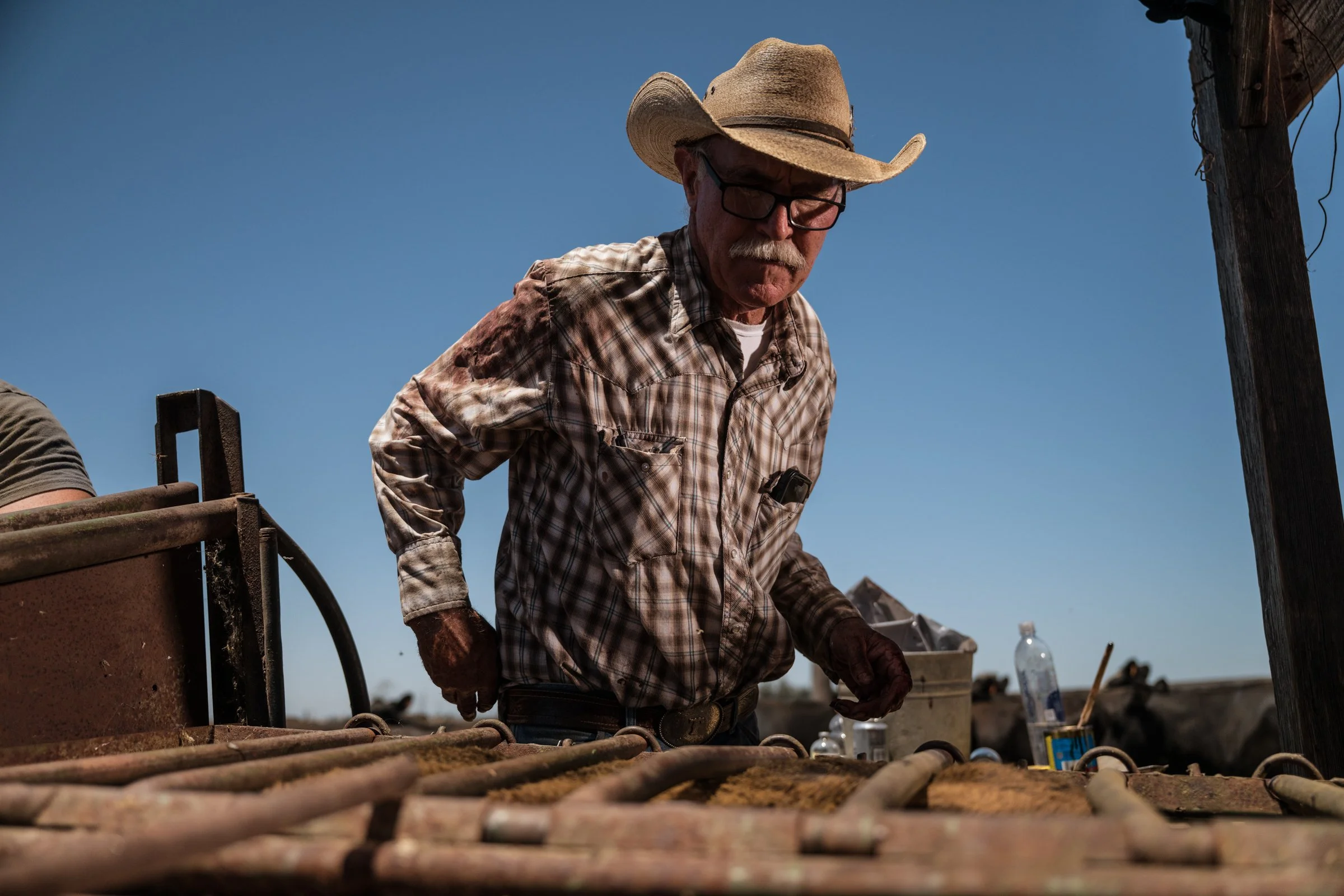
There’s a kind of clarity that only comes after spending a full day in the dust, heat, and rhythm of a working ranch. Watching generations of cowboys handle 120 head of cattle—not for show, not for nostalgia, but because it has to be done—reminds you what real work looks like. This wasn’t a photo op. It was a way of life. And I was grateful to be invited into it, camera in hand, just trying to do it justice.
The sun wasn’t high yet when the first gate clanged open. By then, the dust was already rising and the air carried that familiar weight of work. Out here, the job doesn’t wait for comfort. It gets done because it has to. That’s just the way it’s always been.

Jason Mayan rides alongside his daughter Mary at first light—a proud father guiding the next generation in the rhythm of ranch life.

The roundup at Mahon Ranch was underway. Roughly 120 head of cattle would pass through the chute before the heat gave way to evening. Vaccines. Ear tags. Eye treatments. Castrations. There was no ceremony to it—only rhythm. Purpose. And the quiet understanding of people who know exactly what needs to happen next.

They came in on four-wheelers and horseback. The machines cut through the open fields fast, but once the herd funneled into the corrals, it was the horses that mattered. They moved on instinct—a shift in the rider’s weight, a soundless signal. No commands shouted. Just trust built over time.

Cowboy Kona—steady in the saddle and generous in spirit. None of this would’ve happened without his invitation. Grateful for the trust and the open gate.

Troy Mayan on the quad, Kona on horseback—two generations, two approaches, one goal. Different tools, same mission: keep the herd moving and the tradition alive. Tyler Anderson holds the line on the far left, steady as ever.

I was there to photograph it. Not as a tourist, not as a guest—but as someone trying to blend in, earn trust, and get the kind of images that don’t happen unless you’re standing in the same dirt. Literally. At one point, a calf broke loose and it took three cowboys to wrestle it down. I swung my light, dropped to a knee, and framed the moment. Only later did I realize I’d knelt straight into a pile of fresh cow shit. That’s the price of a good photo. It didn’t even register.

Out here, you’re not just documenting a process. You’re stepping into history. The Mahon family has worked this land since 1882, when John Mahon purchased it and began raising hops. By 1890, it was one of the largest hop ranches in Sacramento County. Over time, hops gave way to wheat, cattle, and a way of life that ran deeper than profit margins. Four generations have lived and worked here—through Prohibition, war, drought, and inflation. Some things changed. Many didn’t.

The man I rode out with in the morning, Jack Mahon, told me stories of getting two weeks off school for harvest season. Everyone had a job. That was just life. A far cry from today, when most people driving down Grant Line probably have no idea a working ranch even exists beyond the trees.

That absence of recognition doesn’t bother the Mahons. They don’t chase attention. They just do the work. As Tom, one of the core men behind the operation, put it: “We were raised that the ranch comes first, then your family, and yourself a distant third.” Brutal? Maybe. But it’s how this place has endured.

Tom showed me a knife—an old one, worn and stained. He found it when he was 11 or 12, buried in a muddy riverbank. He gave it to his dad, who cleaned it up and gave Tom his own knife in return. They used the riverbank knife for castrations from then on. Still do. Thousands of bulls have passed through that blade. There’s history in its edge, and in the way it gets passed from hand to hand without fanfare.

Tom holds the same knife he’s used for decades—found as a boy in the mud near a riverbank, it’s become part of the ritual. Tools come and go, but some earn their place through time, grit, and tradition.

Many of the men working that day will likely carry this ranch into its next chapter. Jason. Tyler. Troy. They moved among the herd with purpose, some of them sons or nephews, others brought in through blood or bond. No one was just standing around. Everyone had a job. And there was no need to say much.

Tracy Lynn Mainville, Kona’s girlfriend, handles the chute with focus and calm. Like most on the crew, she jumped in wherever needed without hesitation.

Allysa Biddle doesn’t miss a mark. One hand on the brand, the other on break time — just another day at Mahon Ranch.

This wasn’t a public-facing event. It wasn’t a show. It was the kind of day that leaves your clothes stiff with dust, your hands raw, and your boots heavy. And yet, I loved every minute of it.

Some of the photos won’t make it into the public eye—not because they’re bad, but because they’re raw. Bloody tools. Split ears. A calf thrashing under the weight of three men. That’s the truth of it. Ranch work isn’t sanitized. It’s physical. It’s sometimes brutal. But it’s always done with care. You don’t put your hand on a tool like that without respect.

This is a way of life shaped by calloused hands, early mornings, and decisions that outlive the ones making them. You can feel it in the gates, the fence lines, the worn saddle leather. You can feel it in the way they look out over the fields, always measuring, always remembering.

The ghosts of cowboys past still roam this place. And every time someone swings a gate, ropes a steer, or drops to a knee beside a calf, they pay tribute.

My thanks to Cowboy Kona for the introduction and to the Mahon family for letting me into their circle, even briefly. I’ll be back. With my cameras. And probably with cow shit on my boots.

Tom Mayan and his son Troy — two generations bound by dirt, grit, and a deep loyalty to the land. One raised on the ranch, the other raised by it. Tradition doesn’t just continue here — it stands shoulder to shoulder.

Photographer Tim Engle and rancher Tom Mayan together at Mahon Ranch cattle roundup Sacramento County California July 2025

Two trades, same principles. Tom with his pocketknife—broken in by decades of work. Me with two cameras—still trying to keep up.

Technical Note

This was a self-assigned project—something I believe every working photographer should make time for. It wasn’t for a client, a publication, or a paycheck. It was driven by curiosity, respect for the craft, and a desire to tell a story that deserves to be told.

The images were captured using a Nikon Z9 with a 70–200mm lens and a Nikon Z8 with a 24–70mm lens—both dependable tools in fast, dusty, and physically demanding conditions. Lighting was added with a Godox AD600 strobe and a Phottix deep dish to push through harsh midday sun. I used a Cotton Carrier 3G harness to manage both cameras comfortably throughout the day, and each lens was fitted with a circular polarizer for better control of tone and reflection.

Sometimes, the tools help elevate a story. Other times, they just help you keep up.

Ready to go with all my gear thanks for the photo Tracy!

Read More

Wyoming Army ROTC Field Training Exercise: A Father's Reflection on Leadership and Legacy

In April 2025, I made a 2,400-mile round-trip drive from Sacramento to Laramie, Wyoming, stopping in Guernsey for a weekend I’ll never forget. I was there to spend a few days with my son Ryan, a senior in the University of Wyoming’s Army ROTC program, as he and his fellow seniors ran their culminating training event—the Joint Field Training Exercise (JFTX).
A Father’s Reflection on Leadership, Legacy, and the Bright Future of the U.S. Army

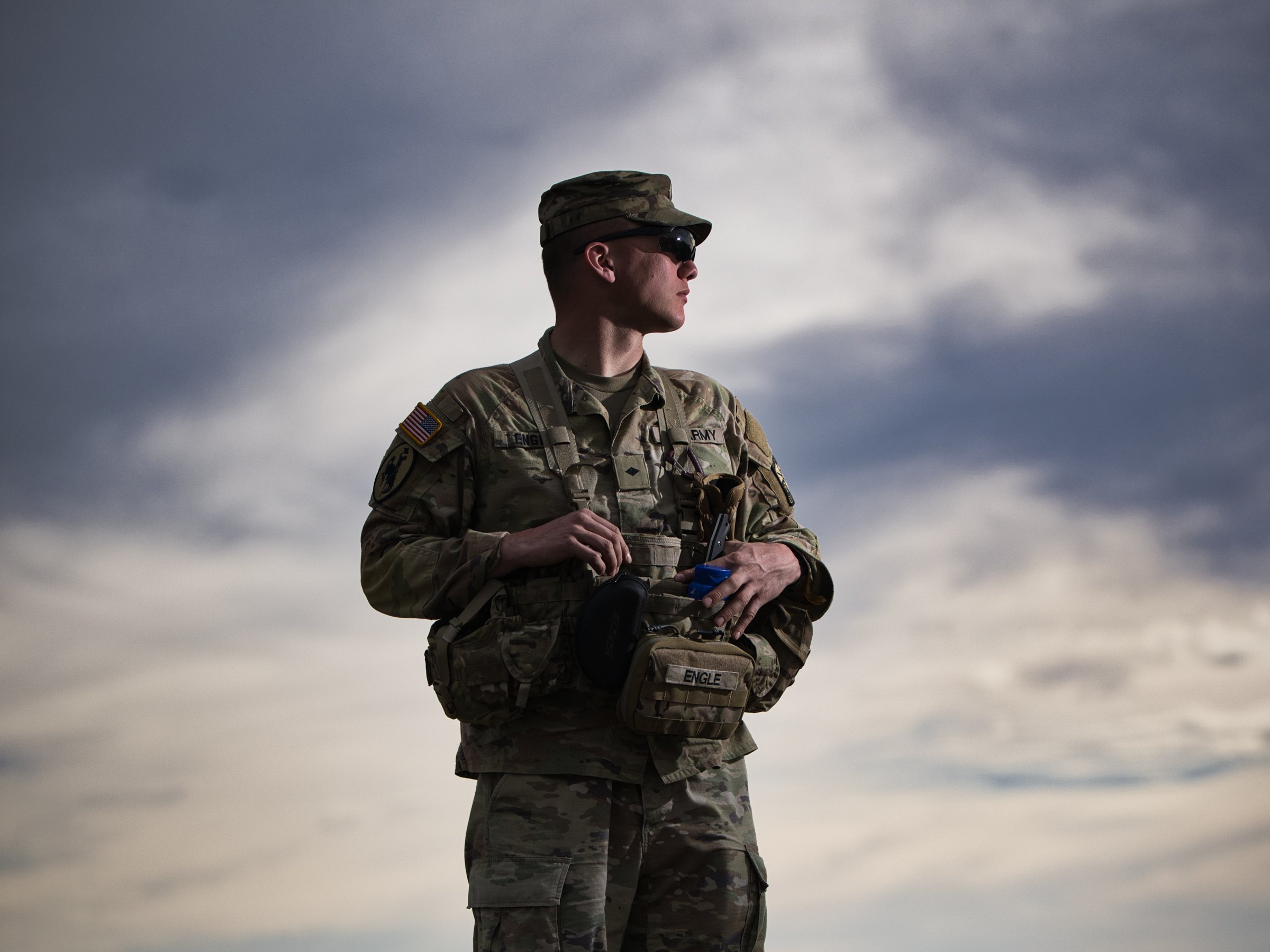
Wyoming Army ROTC cadets at Camp Guernsey field training exercise April 2025

In April 2025, I made a 2,400-mile round-trip drive from Sacramento to Laramie, Wyoming, stopping in Guernsey for a weekend I’ll never forget. I was there to spend a few days with my son Ryan, a senior in the University of Wyoming’s Army ROTC program, as he and his fellow seniors ran their culminating training event—the Joint Field Training Exercise (JFTX). What made it so significant wasn’t just that it marked the end of their time as cadets, but that they were fully responsible for planning, resourcing, and executing the entire training operation. This wasn’t a scripted drill handed down from above—it was a live, student-led operation, built from the ground up by the people running it.

But what I witnessed over those four days was much more than a personal milestone. It was a powerful glimpse into the next generation of Army officers, and it left me not only proud as a father but hopeful as an American.

The Road to Guernsey

Long before I arrived at Camp Guernsey, I had already begun to feel the weight of what this trip meant. The drive out took me through snow-dusted mountains, desolate stretches of Nevada desert, and into the red cliffs and open skies of Utah and Wyoming. Every turn seemed to echo the history of this country—from the Oregon Trail ruts near Guernsey to the sandstone cliffs of Echo Canyon that once guided westward-bound settlers. It felt right that something so timeless and rooted would be the setting for a new chapter in Ryan’s life.

Open highway driving through Wyoming toward Camp Guernsey for Army ROTC field training exercise April 2025

Camp Guernsey: Training Ground for Future Leaders

Camp Guernsey Joint Training Center is an expansive, 78,000-acre facility with multiple training zones: live-fire artillery ranges, land navigation courses, obstacle fields, and an airfield capable of handling C-17s. It’s the kind of place designed to push cadets past their limits—not just physically, but mentally and emotionally.

Aerial view of Camp Guernsey Joint Training Center Wyoming with Army ROTC cadets in formation April 2025

The Field Training Exercise Ryan participated in is a long-standing joint event between the University of Wyoming and Colorado State University. While this annual event is unique in its scale and collaboration, it’s important to understand that every ROTC program nationwide is designed to be cadet-led. Events like this one are not just opportunities for cadets to train—they are built, resourced, and executed by the seniors themselves.

Ryan and his peers spent countless hours leading up to this weekend learning and applying concepts like training management, prioritizing objectives, and planning for short-term, mid-term, and long-term training goals. This JFTX wasn’t just a culminating experience for the underclassmen—it was the senior cadets’ capstone assignment. And they did an outstanding job from start to finish.

On arrival, cadets were flown in by UH-60 Blackhawks, a first for the event thanks to the Wyoming National Guard. From there, the intensity never let up. Gear was inspected, platoons were formed, and a Tactical Operations Center (TOC) was established. Over the next three days, cadets rotated through five missions, each one testing leadership, teamwork, and decision-making. Juniors were placed in rotating leadership roles—squad leader, platoon sergeant, platoon leader—and evaluated based on the Army Leadership Requirements Model.

At one point, temperatures surged to 85 degrees—a rare spring spike that prompted the seniors and cadre to proactively adjust the training plan to mitigate risk. I watched as they issued jerry cans full of Gatorade and made other real-time decisions to keep the cadets hydrated and safe. While I initially thought I was witnessing heat-related injuries, I later learned the actual incidents included a hip injury and four knee-related injuries—each managed quickly and professionally by the team on site.

The final challenge was land navigation, a course designed by Ryan and CDT McDonald. Cadets had five hours to locate four points during the day, and four hours at night to find three more. No GPS. Just a compass, a map, a pace count, and an unwavering focus. It was physically grueling and mentally demanding—by design.

Watching My Son in His Element

Seeing Ryan in this setting, I was moved in a way I didn’t expect. He stood tall, clear-headed, and in control. Confident, but never commanding attention for the sake of it. One particular moment stays with me: a younger cadet returned to the TOC frustrated after failing to find a single land nav point. I watched Ryan calmly pull them aside, speak to them quietly, and help them regroup. It turned out the cadet’s compass had been miscalibrated—an important lesson in verifying your gear—but what stood out wasn’t the technical correction. It was the way Ryan led with empathy, not ego.

I’ve seen him on the football field, in the gym, at family dinners. But here? I saw him as the man he’s become. That kind of quiet, steady leadership doesn’t show up overnight. It’s built. And it’s earned.

Mentoring the Next Shooter

Throughout the weekend, I had a shadow of my own—Louis, the battalion’s Public Affairs Officer (PAO). He was assigned to stay with me and soak up whatever he could. And he did. I showed him how to work with off-camera flash, use natural light to shape emotion, and edit creatively using just an iPhone and the Tintype app. The cadets were thrilled with the portraits we made—images that made them feel strong, proud, and seen. And Louis? He got inspired. I saw it happen in real time.

University of Wyoming Army ROTC battalion Public Affairs Officer cadet Louis with camera at Camp Guernsey field training exercise April 2025

I brought my Nikon Z9 with a 70–200mm lens and my Z8 with a 24–70mm. Both were set to medium RAW, auto ISO, and daylight white balance. I bracketed exposures for group shots and worked quickly under unpredictable conditions. Time was tight. Lighting changed by the minute. But like everything else that weekend, the challenge was part of the reward.

Leadership That Leaves an Impact

One of the most meaningful parts of the weekend was the time I spent riding to and from the site with Lieutenant Colonel Paul W. Hanson, the Professor of Military Science at the University of Wyoming. LTC Hanson oversees the entire ROTC capstone program—the training, the commissioning, the academic interface with the university.

He’s also a seasoned Army officer, with deployments to Iraq and Afghanistan and experience advising at the Pentagon. But more than his credentials, what struck me was his character. He spoke with clarity, conviction, and genuine care for these cadets. He sees the mission behind the mission: not just to prepare soldiers, but to build leaders of integrity and resilience.

He told me that having me there for the FTX was the best decision he made this year. That meant a lot. And I believe he meant it.

A Personal Testament

Photography has never been an easy road. The highs are incredible. The lows can be brutal. But it’s given me the one thing I value most—presence. I’ve coached my kids, cheered for them, mentored them, and stood beside them with a camera in hand. And because of the life I chose, I was able to be here—to watch my son step fully into the role he’s been working toward, and to see with my own eyes how ready he is.

Photographer Tim Engle and son Ryan Engle University of Wyoming Army ROTC cadet together at Camp Guernsey field training exercise April 2025

I’ve always tried to stay involved in my kids’ lives without becoming overbearing. My wife worried early on that, as a former athlete, I’d bring that same intensity into fatherhood. Maybe she wasn’t wrong to worry. But I’ve done my best to walk that line—to support, not push; to guide, not pressure.

This weekend confirmed I did something right.

The Future is Bright

As I made the long drive back to Sacramento—1,050 miles of empty road and full reflection—I couldn’t help but feel something deeper than pride. I felt hope.

These cadets—their dedication, their adaptability, their leadership under pressure—represent everything we want to see in the future of the Army. And under the guidance of leaders like LTC Hanson, they’re being shaped the right way.

If you’re wondering what kind of young people are preparing to lead this country, or what kind of program is molding them, I’d encourage you to look at the University of Wyoming’s Cowboy Battalion. What they’re doing isn’t just a training exercise. It’s legacy work. And I’m honored to have witnessed it.

University of Wyoming Army ROTC cadets group portrait at Camp Guernsey including senior cadet Ryan Engle April 2025
University of Wyoming and Colorado State University Army ROTC cadets full group photo at Camp Guernsey joint field training exercise April 2025
University of Wyoming Army ROTC Cowboy Battalion group photo with battalion colors at Camp Guernsey April 2025 Next one when ready.
Read More

Sacramento Fashion Week 2025 – A Photographer’s Perspective

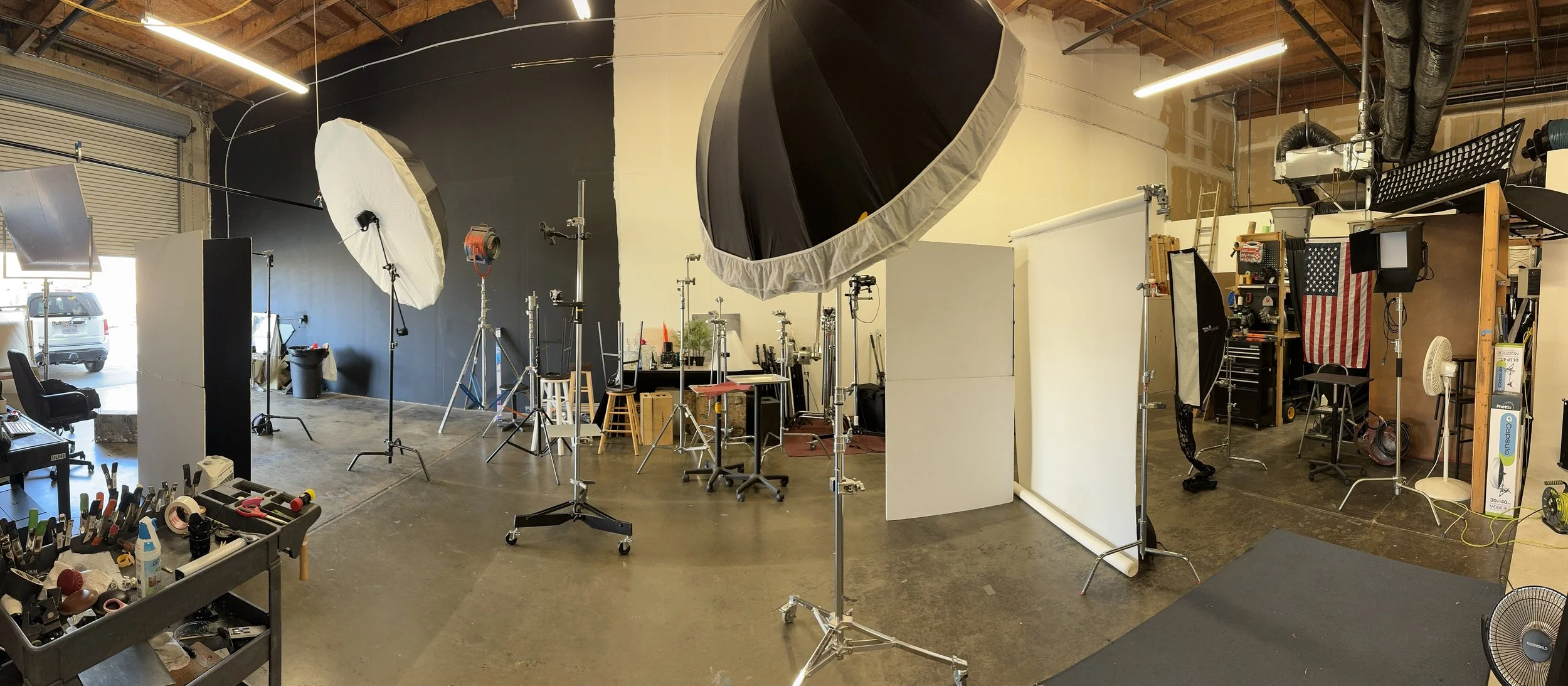
Fashion Week always brings a mix of creativity, spontaneity, and technical challenges. This year at Sacramento Fashion Week, held at the Crocker Art Museum, I set out with a clear vision of how I wanted to capture the event. Over two nights, I experimented with lens choices, lighting techniques, and visual storytelling,
Fashion Week always brings a mix of creativity, spontaneity, and technical challenges. This year at Sacramento Fashion Week, held at the Crocker Art Museum, I set out with a clear vision of how I wanted to capture the event. Over two nights, I experimented with lens choices, lighting techniques, and visual storytelling, narrowing down my final selections to 46 images that best represented my approach.

Night 1 – Up Close & Personal with a 20mm Lens

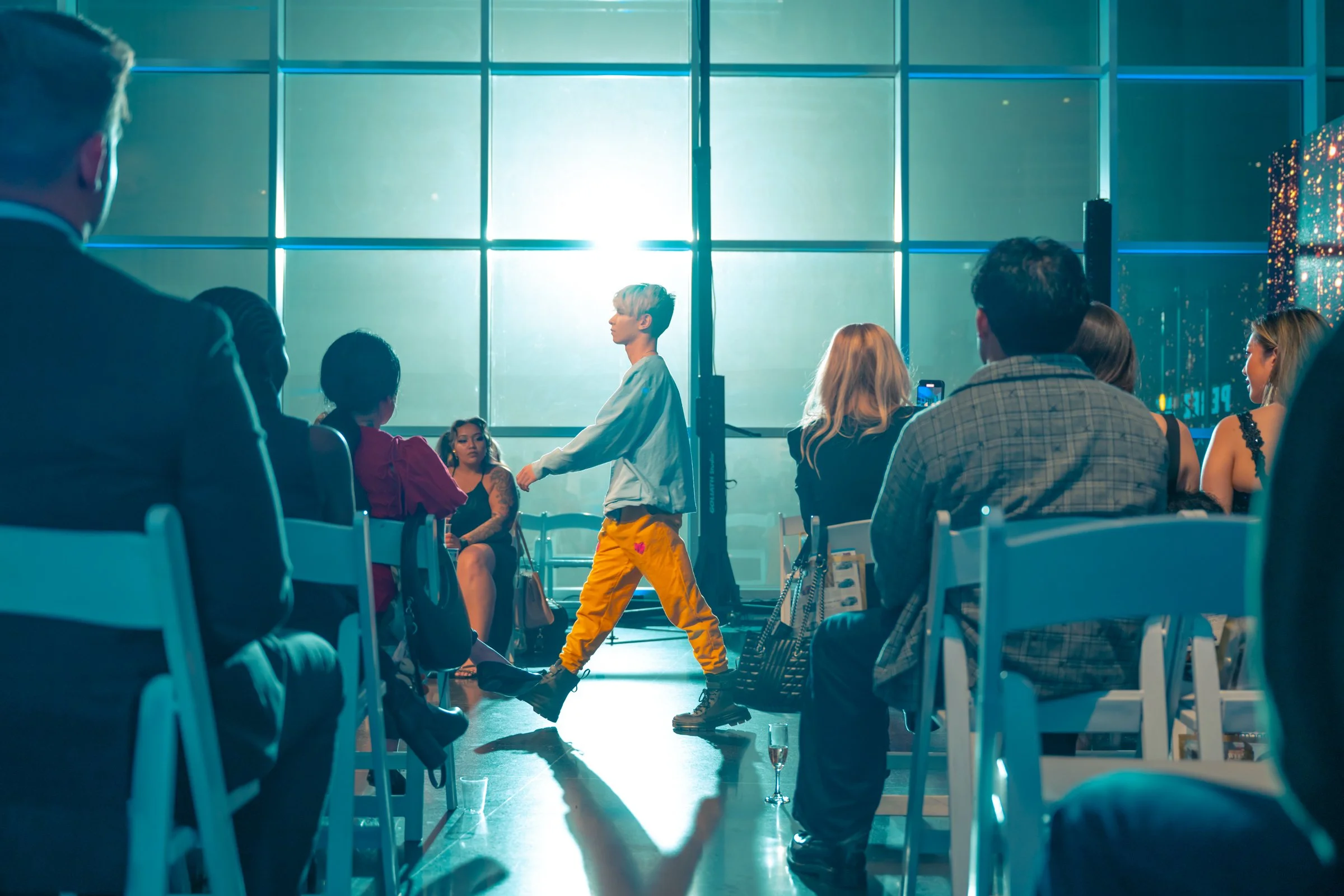
For the first night, I committed to using a 20mm fixed lens, which forced me to get close and fully engage with my subjects. A wide-angle lens like this is powerful when used up close—it creates intimacy and pulls the viewer right into the scene. When shot from a distance, it tends to lose impact unless you’re capturing an entire environment.

I also experimented with a strobe positioned outside the main window to illuminate the runway. The idea was to create dramatic backlighting for the models as they walked. While I liked some of the results, I hadn’t anticipated the subtle patterned texture on the museum’s windows. This caused the light to diffuse more than expected, softening its impact. That’s part of the creative process—trying new things, adapting, and learning from the results.


Night 2 – Flexibility with a 24-70mm Lens & On-Camera Flash

For the second night, I switched things up and shot with my 24-70mm lens, staying mostly at the 24mm end. This gave me more flexibility to react to the fast-paced environment while still keeping the immersive feel I wanted.

I also mounted my flash onto a strobe frame, keeping it as close to the lens center as possible when shooting vertically. This technique helps reduce shadows, creating a distinct, high-energy look. The bright, direct light adds an editorial feel that works well in a fast-moving setting like a fashion event.

Finding the Right Moments

While covering events like this, I always seek out candid, organic moments rather than posed shots. If someone naturally strikes a look when I raise my camera, I’ll take the shot, but the most interesting images often come from unexpected interactions.

For example, I captured a few moments when models were eating sour candy backstage—it was a break from the polished, high-fashion aesthetic, showing their personalities in a fun way. Encouraging these unscripted moments adds layers to the story of the event.

Post-Processing & Creating a Cohesive Style

Once the event was over, I spent a few days refining my edit, looking for a consistent visual style that tied both nights together. My final adjustments included:

Opening up the exposure for a brighter, more open feel.

Dramatically lowering contrast to create a soft, balanced look.

Dropping highlights & whites while lifting shadows & blacks to retain detail.

Shifting the white balance cooler for a sleek, editorial feel.

Fine-tuning colors in Lightroom’s color mixer to match the aesthetic I envisioned.

Applying this look across all images helped ensure the series felt cohesive and intentional.

Final Thoughts

Shooting Sacramento Fashion Week was a fantastic creative challenge. With so much visual energy—bold designs, vibrant colors, and stunning models—it was the perfect playground for experimenting with different techniques.

I’ve learned over time to shoot for myself first—to create images that I find visually compelling rather than worrying about outside opinions. In this case, there wasn’t a single “client,” just a shared goal of representing the event well. That gave me the freedom to pursue the angles, subjects, and style that felt right.

It also reinforced something I’ve long believed: warming up visually before shooting makes a huge difference. Before each evening, I looked at images in a style I wanted to emulate, sometimes building a reference board on Pinterest to set the tone. Just like an athlete warms up before a game, priming your visual brain before a shoot helps you get into a creative rhythm faster.

I’ll be posting my final images in a series of Instagram posts, so keep an eye out! If you see yourself or know the designers, models, or hair & makeup artists, feel free to tag them.

📸 Follow along on Instagram: @englephoto_in

What’s your approach to shooting events like this? Drop a comment, and let’s talk about photography!

Read More

Embracing Faith and Photography: Documenting the National Eucharistic Pilgrimage

The Decision to Volunteer

When the National Eucharistic Pilgrimage came up, it piqued my interest as a photographer and someone on a faith journey. I reached out to the organizers, and they were incredibly receptive. Adjusting my schedule to volunteer was a joy, as it allowed me to witness the dedication and faith of the pilgrims firsthand.
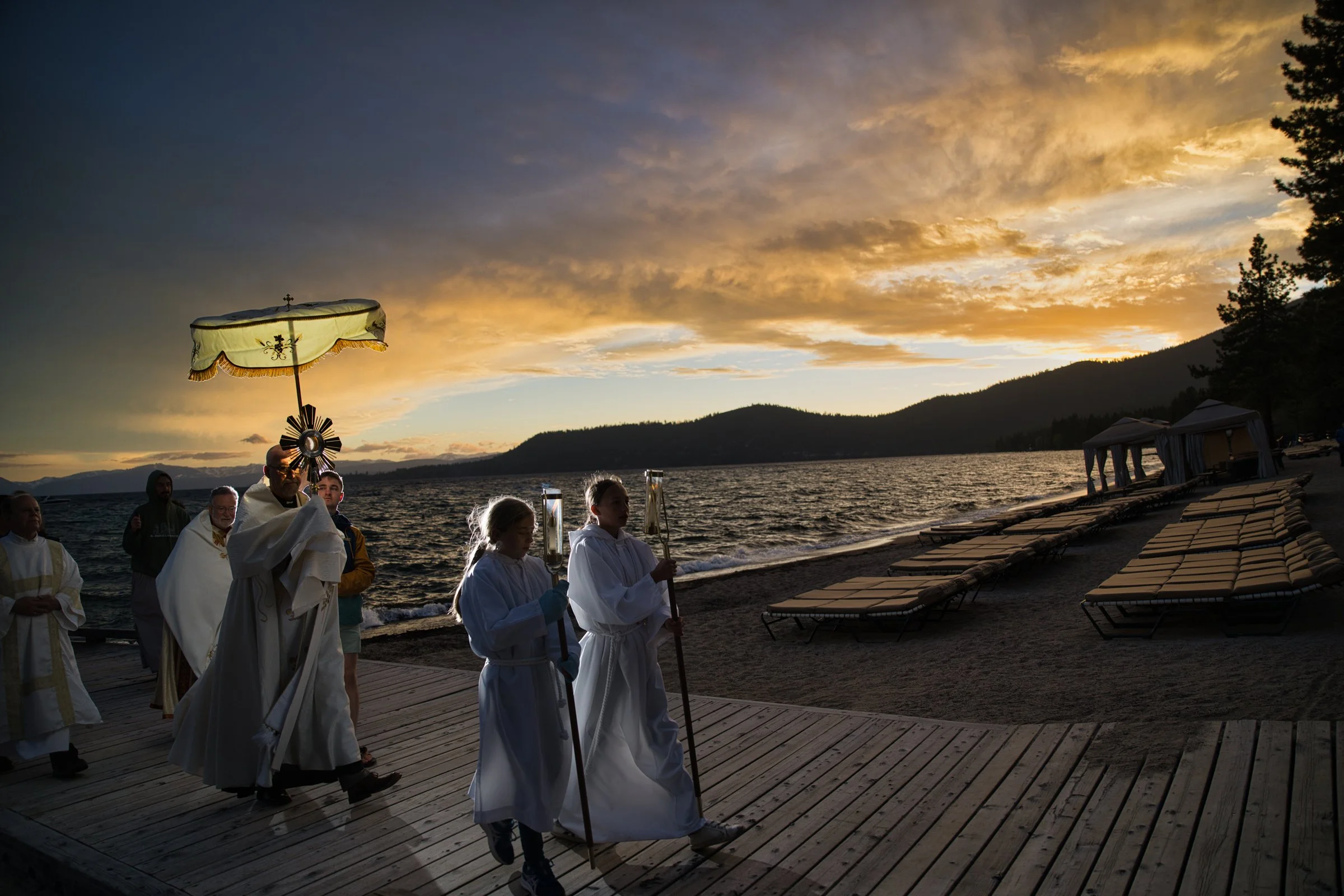
A Journey of Faith

Fr. Luke Joseph Leighton

Almost a year ago, I began exploring my faith more deeply. While my wife and family have always been devout Catholics, this was the first time I truly engaged with it. This new awareness led me to pay closer attention to events like the National Eucharistic Pilgrimage, seeing it as more than a photographic subject.

The Decision to Volunteer

When the National Eucharistic Pilgrimage came up, it piqued my interest as a photographer and someone on a faith journey. I reached out to the organizers, and they were incredibly receptive. Adjusting my schedule to volunteer was a joy, as it allowed me to witness the dedication and faith of the pilgrims firsthand.

The Process and Experience

The pilgrimage was a testament to faith and commitment, requiring extensive planning and effort. Witnessing the joy among the pilgrims and those joining in was inspiring. However, as a photographer, I had to maintain a certain detachment. While moments of reverence called for kneeling in church, I had to remain standing, ready to capture the perfect shot.

The Importance of Creative Engagement

As a photographer and creative, diving into subjects without financial gain is crucial. Often, these projects cost me money because I must forgo other work, but they fulfill me creatively and spiritually. This experience with the pilgrimage has not only deepened my faith but also significantly improved my craft. Engaging with meaningful subjects enhances my technical skills and mental approach, enriching my creative process.

Technical Aspects and Personal Touch

Bishop Jaime Soto

The pilgrimage culminated in Lake Tahoe, where my wife joined me. Her presence was invaluable, not just emotionally but also technically. She handheld a small strobe opposite the camera, providing an excellent edge light and, in one instance, creating a dramatic reflection of the monstrance into the bishop’s face. This collaboration added depth to the visual storytelling and made the experience even more special.

Conclusion

From left to right: Father Luke Leighton, Me, Madison Michel, Jack Krebs, Jimmy Velasco, Dereck Delgado, Chas East, Chima Adiole, Jaella Mac Au, Brother Matthew Solanus, Patrick Fayad.

Documenting the National Eucharistic Pilgrimage was a unique blend of faith and photography. With 1317 images captured, I look forward to sharing this visual narrative, reflecting the spiritual journey and the technical artistry involved. Stay tuned for more as I explore and document these meaningful moments.

Really enjoyed my time with Fr. Luke Joseph Leighton

Read More
Travel, Location, Photo Life, Editorial Tim Engle Travel, Location, Photo Life, Editorial Tim Engle

Legacy in Focus: Capturing the Spirit of The Lonesome E Cattle Company

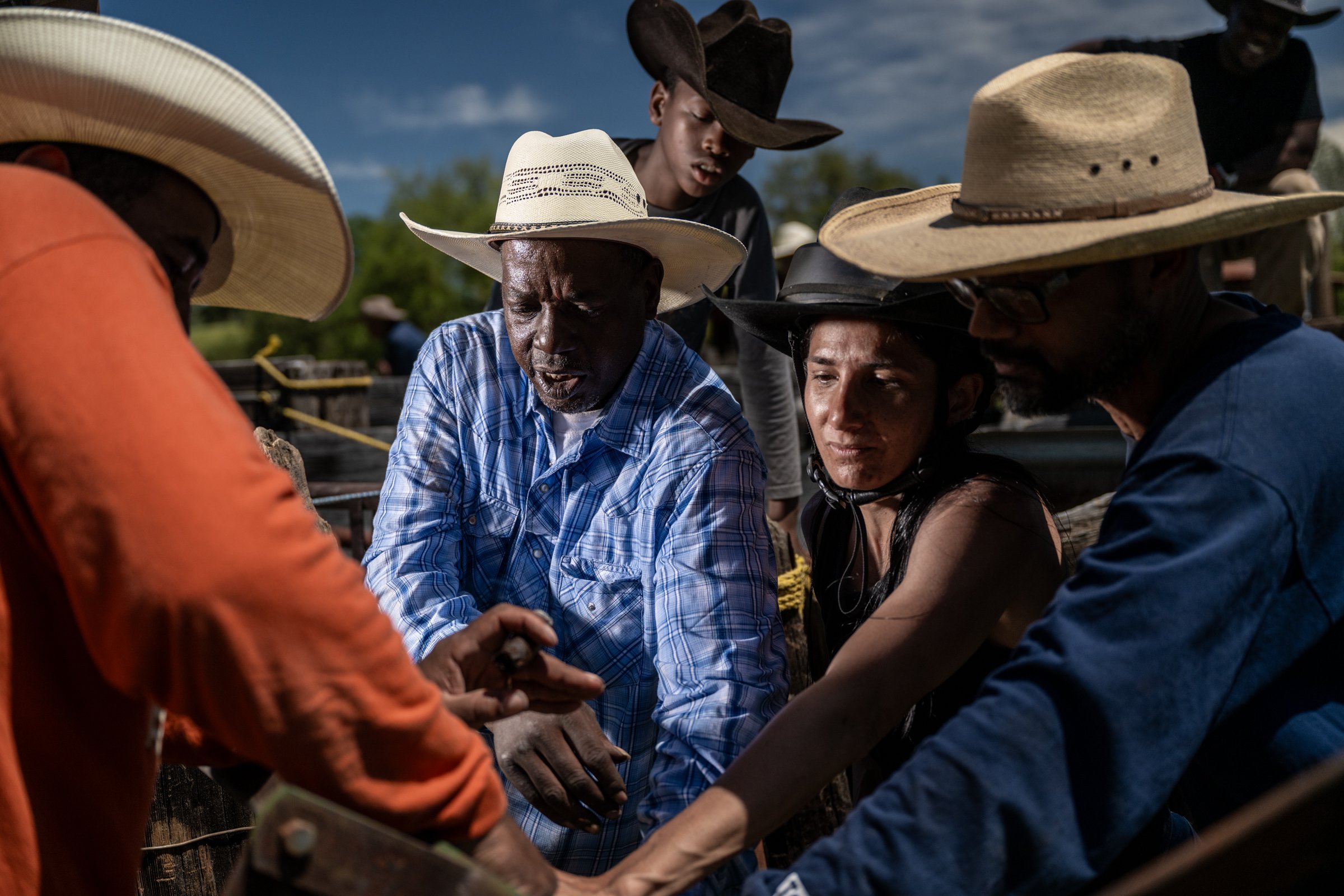
Documentary photography from The Lonesome E Cattle Company in Madera County, California — capturing the legacy of Black cowboy culture and the Campbell family's multigenerational ranch heritage.
In the rolling foothills of Eastern Madera County, where the legacy of Edward E. Campbell, Sr. intertwines with the land, the spirit of The Lazy E Ranch—now known as The Lonesome E Cattle Company—continues to thrive. This past weekend, I had the distinct honor of capturing a living tapestry of this legacy: a Black cowboy round-up that was as much about community as it was about cattle—a gathering that welcomed all, fostering a sense of belonging and shared purpose.

Rooted in History: The Journey from Texas to California

The Campbell family's story is deeply woven into the broader narrative of African American Black Cowboys who helped settle the Western frontier. The lineage of the Campbell family traces back to Clem Campbell Sr., born in 1868. A rancher in Cuero, Texas, he and his father, Jack Campbell, played a part in the tales of the Old West, aiding outlaws Frank & Jessie James. In exchange for shelter under the floorboards of their modest shacks, the James brothers would rustle cattle to feed the residents of a newly freed slave community. This spirit of resourcefulness and resilience has echoed through generations and brought the family to the present-day Lonesome E Ranch, nestled in the heart of Raymond, California.

A Heritage Reclaimed and Revered

The Lonesome E Cattle Company is more than a place; it's a living testament to the Campbell family's dedication and dreams. Led by Edward E. Campbell, Jr., affectionately known as Beau, and his wife Pamela, the family upholds a legacy that extends far beyond the ranching operations started by his father. It's a testament to the enduring power of a vision, passed down through generations like a cherished Stetson hat, fitting each new wearer just as it did the last.

The Round-Up: A Testament to Tradition

The round-up I witnessed was a vibrant tapestry of camaraderie, tradition, and familial pride. Cowboys and cowgirls gathered not driven by financial gain but by a deep love for their heritage and each other. The scene echoed the historic gatherings of Edward Sr.'s time, filled with the aroma of barbecue, the clatter of dominoes, and the thud of horseshoes—timeless summer traditions now rekindled by the current generation.

In the Dust and Dawn: Moments Made Immortal

As the morning light spilled over the hills, the present-day cowboys, with ropes and reins in hand, honored their heritage with every calf roped and every brand sizzled into the hide. The physicality of the round-up was undeniable—a dance of grit and grace, a choreography perfected by the calloused hands of experience and the eager grips of youth learning the ropes.

Under the Same Skies: A Family's Heartbeat

Through my viewfinder, the heartbeat of the Campbell family was unmistakable. The ranch resonated with the sounds of joy, the shared respect for the livestock, and the collective remembrance of a family's journey from the pastures of Texas to the rolling hills of California.

Conclusion: The Future Framed by the Past

As I ready to share this collection of images, I'm reminded that The Lonesome E Cattle Company is more than a ranch; it is a sanctuary where past, present, and future are indelibly inked into the landscape. This round-up was a celebration of a way of life, a family heritage that Beau and Pamela Campbell intend to preserve and share through annual round-ups and trail rides—inviting everyone to partake in the celebration of heritage and local history.

"West of Yellowstone, South of Yosemite," the Lonesome E Ranch stands as a beacon of history, where redwoods dedicated to the memory of family members guard the stories and spirits that will continue to roam these lands. Join us as we honor the past and embrace the future, preserving and cherishing the legacy of The Lonesome E Cattle Company for generations to come.

Stay tuned for the visual chronicle of this remarkable day not just the enduring legacy of The Lonesome E Cattle Company but also the unbreakable bonds of the family it continues to foster.


For those interested in the technical side of round-up photography, my trusty Nikon Z9 was at the heart of it all, paired with two versatile lenses: the 24-70mm for wider scenes and rapid movements and the 70-200mm for those tight, close-up shots of the action. To ensure the cowboys and cowgirls were lit perfectly, I utilized the reliable Godox AD600 Pro strobe with a Phottix 7-inch dish that provided just the right amount of fill light. All of this was supported, quite literally, by the robust Benro Mammoth TMTH34C Carbon Fiber Tripod, topped with a Benro GX25 Lowprofile Ballhead for smooth adjustments and stability. This gear setup was instrumental in capturing the dynamic essence of the rodeo, freezing each moment with clarity and precision.

Read More

Mastering Your Gear: The Key to Elevating Your Photography

In the realm of photography, understanding the ins and outs of your equipment is not just about getting acquainted with your tools

In the realm of photography, understanding the ins and outs of your equipment is not just about getting acquainted with your tools—it's about forging a deeper connection that elevates your artistry, professionalism, and efficiency. Here’s why knowing your gear is indispensable for photographers at any stage of their career.

Unlock Speed and Efficiency

Photography often involves capturing fleeting moments that don’t wait for anyone. Deep knowledge of your equipment ensures you can adjust settings on the fly, seamlessly adapting to the rapid pace of events, be it a wedding, a sports game, or a candid street photography session. The ability to react swiftly and surely means the difference between a missed opportunity and a masterpiece.

Fuel Creative Experimentation

Understanding the limits and capabilities of your gear is like knowing the brushes and colors in your palette. It opens up avenues for creative experimentation, allowing you to explore new techniques and styles. From exploiting lens characteristics for artistic effects to pushing your camera's limits in challenging lighting conditions, familiarity breeds innovation.

Make Informed Gear Decisions

A comprehensive grasp of what your equipment can achieve helps you make smarter decisions when it's time to upgrade or expand your kit. It prevents unnecessary purchases and ensures that when you do invest, it’s in gear that complements and enhances your existing setup. This cost-effective approach to gear management is invaluable in the long-term growth of your photography practice.

Project Confidence and Earn Trust

There’s a visible confidence that comes with equipment proficiency, and it’s something your clients will notice—and appreciate. Being adept with your gear not only smooths the shooting process but also builds trust. Clients feel more relaxed and cooperative, knowing they’re in capable hands, which can lead to better outcomes and future referrals.

Adapt and Thrive in Any Environment

Each shooting environment presents unique challenges. Whether you're dealing with low light, fast action, or unpredictable weather, knowing your gear inside out means you can adapt quickly. This versatility ensures you can deliver consistent, high-quality results, no matter the circumstances.

Streamline Your Post-Processing Workflow

A solid understanding of your equipment’s technical capabilities affects not just capture but also post-processing. Knowing how your camera handles different conditions informs your shooting decisions and guides your editing process, leading to a more efficient workflow and higher quality outputs.

Conclusion

The journey to mastering your photography equipment is a continuous one, marked by curiosity, experimentation, and growth. It's about more than just technical proficiency; it's about developing a relationship with your tools that empowers you to bring your creative vision to life with confidence and skill. Investing the time to deeply understand your gear is not just beneficial—it's essential to unlocking the full potential of your photography.


Read More