
Looking Back at 2025 . . . Finding Rhythm, Balance, and Purpose
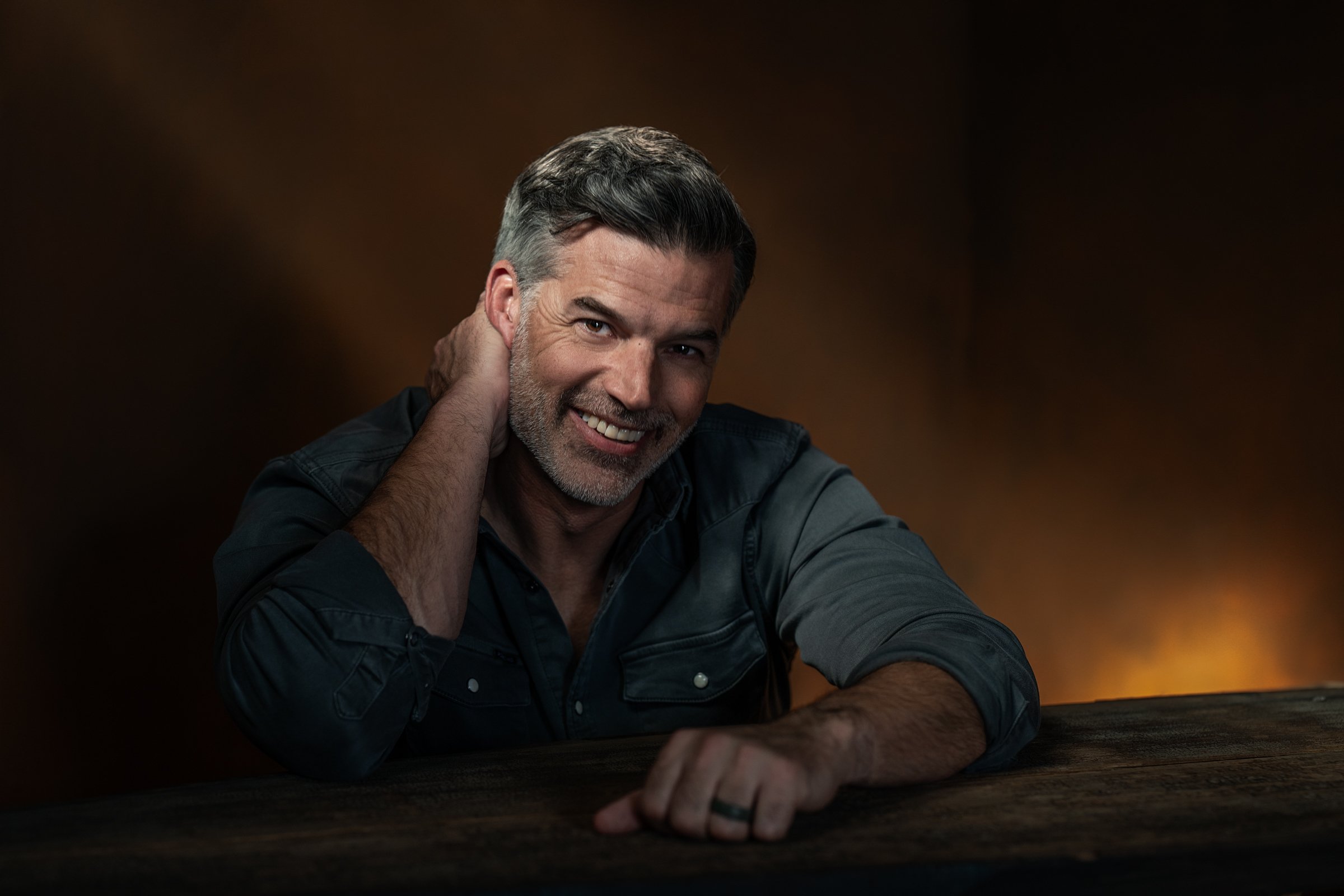
2025 was a year of rhythm—refining executive portrait work, improving workflow, and staying grounded through meaningful personal projects that continue to shape how I approach photography.
As January comes to a close, it feels like the right time to pause and look back at 2025. It was a year filled with a wide range of projects, shifting environments, and steady growth—both professionally and personally.
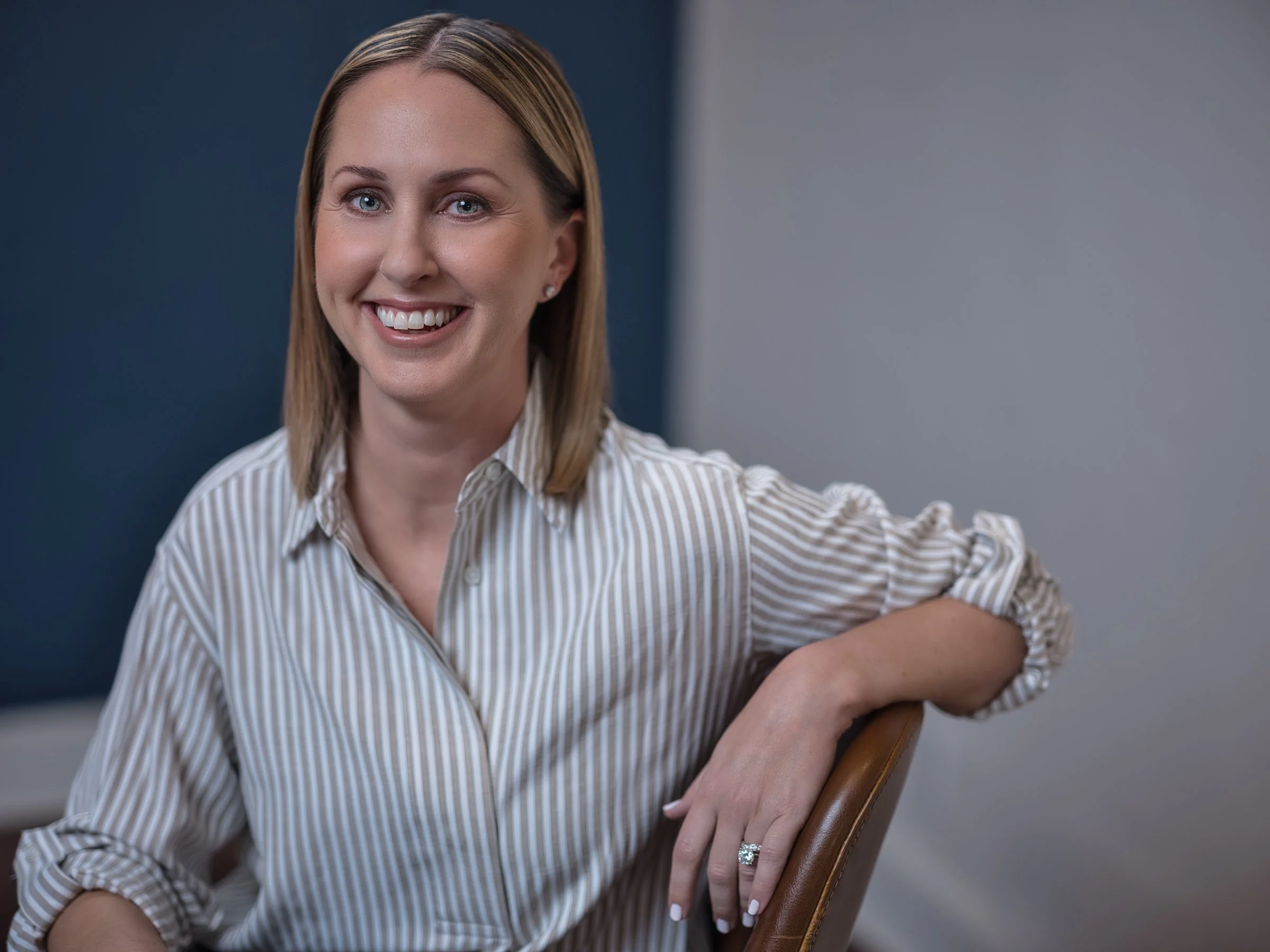
From a work standpoint, executive and corporate portraits made up a significant portion of the year. While I’ve photographed people for decades, something about the rhythm of this work really settled in over the past year. Whether it was a single executive or a team of seventy, the process became more refined, more efficient, and more consistent.
One of the realities of corporate portrait photography is time. Sometimes you get to slow down, connect, and build rapport. Other times, you may have five minutes—or less—with each person. In one case this year, I photographed roughly seventy individuals in a single afternoon. Experiences like that don’t allow for hesitation. They require preparation, adaptability, and the confidence to execute under pressure.
That confidence comes from repetition. Years of working quickly, solving problems on the fly, and knowing my gear inside and out have made it possible to walk into almost any situation and deliver. One project in San Francisco summed that up well. I had planned for a large conference room and instead found myself working in a standard hotel room with low ceilings and tight space. With executives rotating through on a strict schedule, there was no margin for error. The lighting plan had to change, and it had to work immediately. It did.
While assistants are invaluable in many scenarios, I’ve also learned that my system is dialed in enough that, in some cases, working solo is actually more efficient. Setup and breakdown are faster, decisions are immediate, and the process stays streamlined.
What continues to draw me to portrait work is the interaction itself. Occasionally, that connection happens fast. Other times, it happens before the camera ever comes out. One client and I talked for nearly thirty minutes before taking the first photo. That wasn’t intentional—it just happened. But once the camera came up, the conversation continued. The result was a relaxed, natural session that felt less like a photoshoot and more like a dialogue. That comfort always shows in the final images.
From a technical standpoint, one of the biggest improvements in 2025 was workflow. Editing tools and smarter processes have significantly reduced turnaround time without sacrificing quality. Jobs that once took days now take a fraction of that time, which benefits both my clients and me. Efficiency matters, especially when handling high-volume corporate portrait sessions with tight deadlines.
On a more personal level, 2025 marked a significant shift in perspective. Being baptized Catholic and finding a stronger footing in my faith has influenced how I approach my work. It’s less about taking every project that comes along and more about asking whether the work aligns with my values. That clarity has made it easier to say no when something doesn’t feel right—and more confident saying yes when it does.
Balance was another theme this past year. While photography always carries a degree of uncertainty—doing everything “right” doesn’t guarantee the phone will ring—it’s a career that requires constant effort and resilience. Not everyone is built for that. I’m aware of the pressure that comes with it, especially when one successful year leads directly into the question of doing it all over again.
That’s where personal projects come in.
Some of the most meaningful work I did in 2025 wasn’t commercial at all. Spending a day embedded at Mahon Ranch, or documenting multiple days with my son’s ROTC unit in Wyoming, reminded me why I started photographing in the first place. Those projects allowed time—time to observe, to listen, and to understand the heartbeat of a place or a group of people. That kind of work pushes me creatively and keeps me grounded.
As I look ahead to 2026, I want to continue building on what worked: efficient, high-quality corporate and executive portraiture paired with intentional personal projects that challenge and inspire me. That combination is what keeps the work honest, sharp, and sustainable.
Thanks to everyone who trusted me with their image, their time, and their stories in 2025. I’m looking forward to what comes next.
Why I Don’t Believe in the “Ultimate Posing Guide”
Forget the “Ultimate Posing Guide.” True posing is about authenticity, not memorization. In this post, I break down how I approach posing as a conversation—not a command—and why the most natural movements often lead to the strongest images. Whether you’re a photographer or someone who hates being in front of the camera, there’s something here for you.
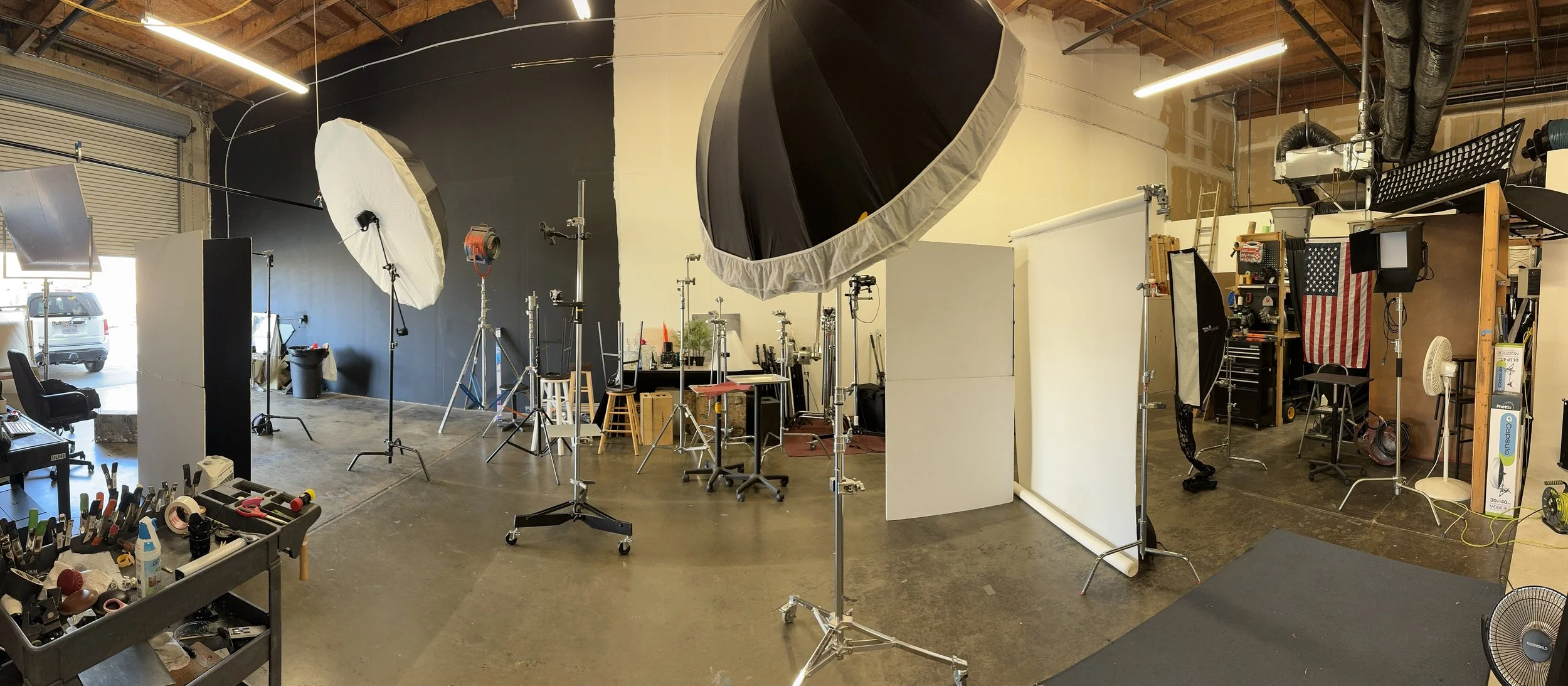
And why your best pose might already be in you.
I keep seeing ads and social posts promoting the Ultimate Posing Guide—as if there’s some perfect list of positions that work for everyone. But here’s the truth I’ve learned over the years: there’s no such thing.
Sure, I have a few base poses that tend to work for most people, but trying to make someone copy a pose they physically can’t do—or that just doesn’t feel natural—never works. You can see it in the photo. And worse, you can feel it.
Authenticity Over Imitation
What actually works is watching people. I pay attention to how someone naturally stands, how they move, how they interact. I take cues from that and build from there. That approach leads to images that feel real, not staged. It works across the board—whether we’re shooting fashion or portraits or branding.
Hands Matter More Than You Think
One thing I talk about often is what to do with your hands. They matter—a lot. Your hands need to have intent. They shouldn’t be doing something random, and they shouldn’t be in conflict with your facial expression.
I’ve seen plenty of technically strong portraits where the hands feel stiff or disconnected. The subject looks powerful in the face, but the hands are saying something else. People might not notice it consciously, but they feel it. And that disconnection can throw off the entire image.
That said, there are times when I’ll intentionally create tension by having the hands and face tell different stories—but that’s a deliberate creative decision, not a default.
Posing Is a Conversation, Not a Command
One of the most valuable shifts in my approach over the years has been treating posing like a dialogue. When I work with someone, we often spend the first 20–30 minutes just talking about how they move, how they want to come across, and what feels comfortable.
I might shoot a few frames during that time—not to create finished images, but to illustrate what we’re talking about. Once we get aligned, the rest of the shoot flows naturally. It’s smoother, more comfortable, and ultimately, more authentic.
Most people don’t know their angles—and why would they? It’s my job to help discover what works, together.
Want to see this in action?
I’ll be sharing a few real-world examples and behind-the-scenes clips soon—because good posing isn’t about hitting the mark, it’s about finding the moment.
Mastering Your Gear: The Key to Elevating Your Photography
In the realm of photography, understanding the ins and outs of your equipment is not just about getting acquainted with your tools
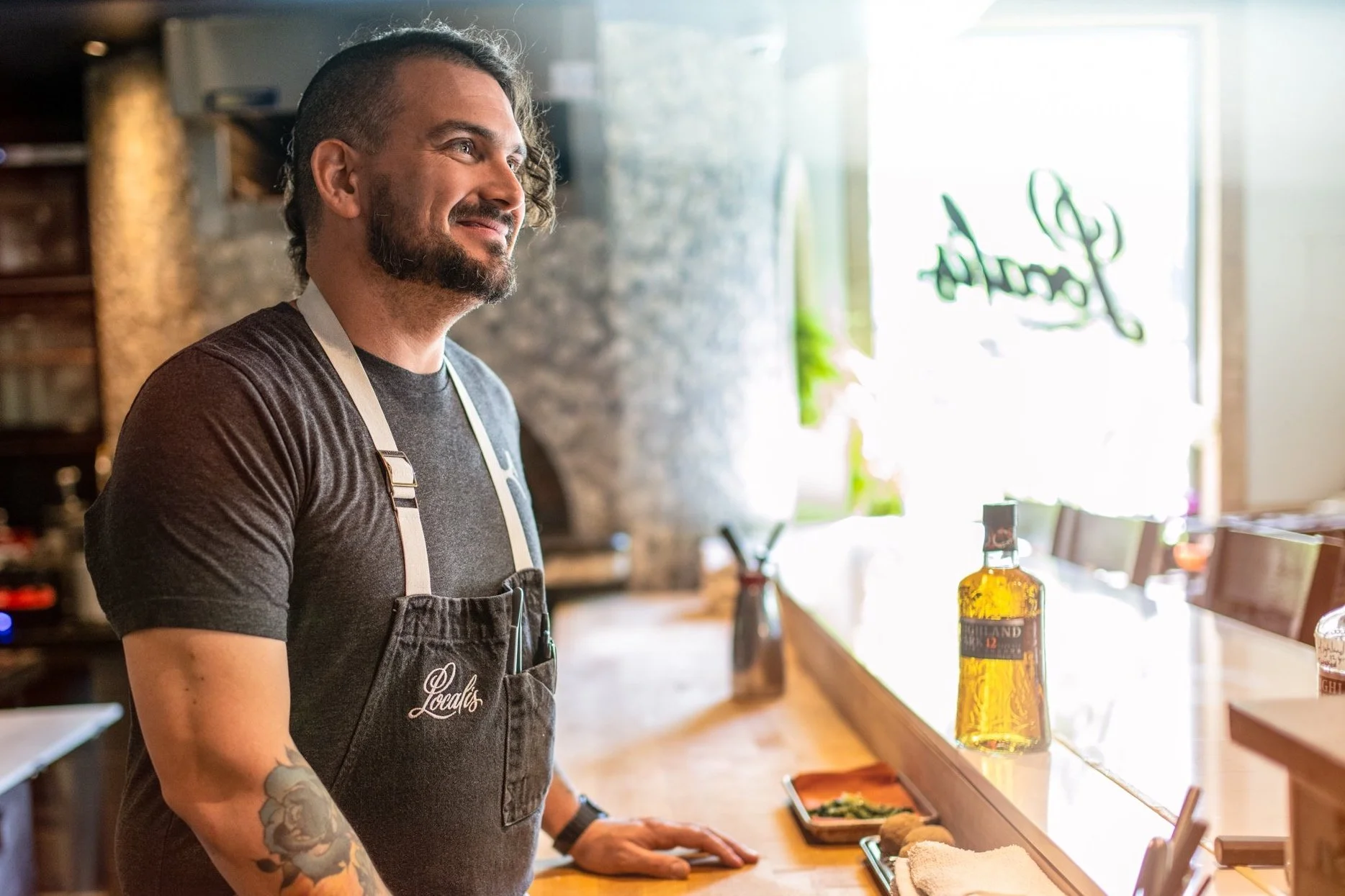
In the realm of photography, understanding the ins and outs of your equipment is not just about getting acquainted with your tools—it's about forging a deeper connection that elevates your artistry, professionalism, and efficiency. Here’s why knowing your gear is indispensable for photographers at any stage of their career.
Unlock Speed and Efficiency
Photography often involves capturing fleeting moments that don’t wait for anyone. Deep knowledge of your equipment ensures you can adjust settings on the fly, seamlessly adapting to the rapid pace of events, be it a wedding, a sports game, or a candid street photography session. The ability to react swiftly and surely means the difference between a missed opportunity and a masterpiece.
Fuel Creative Experimentation
Understanding the limits and capabilities of your gear is like knowing the brushes and colors in your palette. It opens up avenues for creative experimentation, allowing you to explore new techniques and styles. From exploiting lens characteristics for artistic effects to pushing your camera's limits in challenging lighting conditions, familiarity breeds innovation.
Make Informed Gear Decisions
A comprehensive grasp of what your equipment can achieve helps you make smarter decisions when it's time to upgrade or expand your kit. It prevents unnecessary purchases and ensures that when you do invest, it’s in gear that complements and enhances your existing setup. This cost-effective approach to gear management is invaluable in the long-term growth of your photography practice.
Project Confidence and Earn Trust
There’s a visible confidence that comes with equipment proficiency, and it’s something your clients will notice—and appreciate. Being adept with your gear not only smooths the shooting process but also builds trust. Clients feel more relaxed and cooperative, knowing they’re in capable hands, which can lead to better outcomes and future referrals.
Adapt and Thrive in Any Environment
Each shooting environment presents unique challenges. Whether you're dealing with low light, fast action, or unpredictable weather, knowing your gear inside out means you can adapt quickly. This versatility ensures you can deliver consistent, high-quality results, no matter the circumstances.
Streamline Your Post-Processing Workflow
A solid understanding of your equipment’s technical capabilities affects not just capture but also post-processing. Knowing how your camera handles different conditions informs your shooting decisions and guides your editing process, leading to a more efficient workflow and higher quality outputs.
Conclusion
The journey to mastering your photography equipment is a continuous one, marked by curiosity, experimentation, and growth. It's about more than just technical proficiency; it's about developing a relationship with your tools that empowers you to bring your creative vision to life with confidence and skill. Investing the time to deeply understand your gear is not just beneficial—it's essential to unlocking the full potential of your photography.
2022 in review
As a photographer, I always aim to capture the beauty and emotion in the world around me. And in 2022, I had the most wonderful year as a photographer. My name is Tim Engle, and I have been a photographer for 27 years. This year was not only the most fun I've had, but it was also incredibly fulfilling.
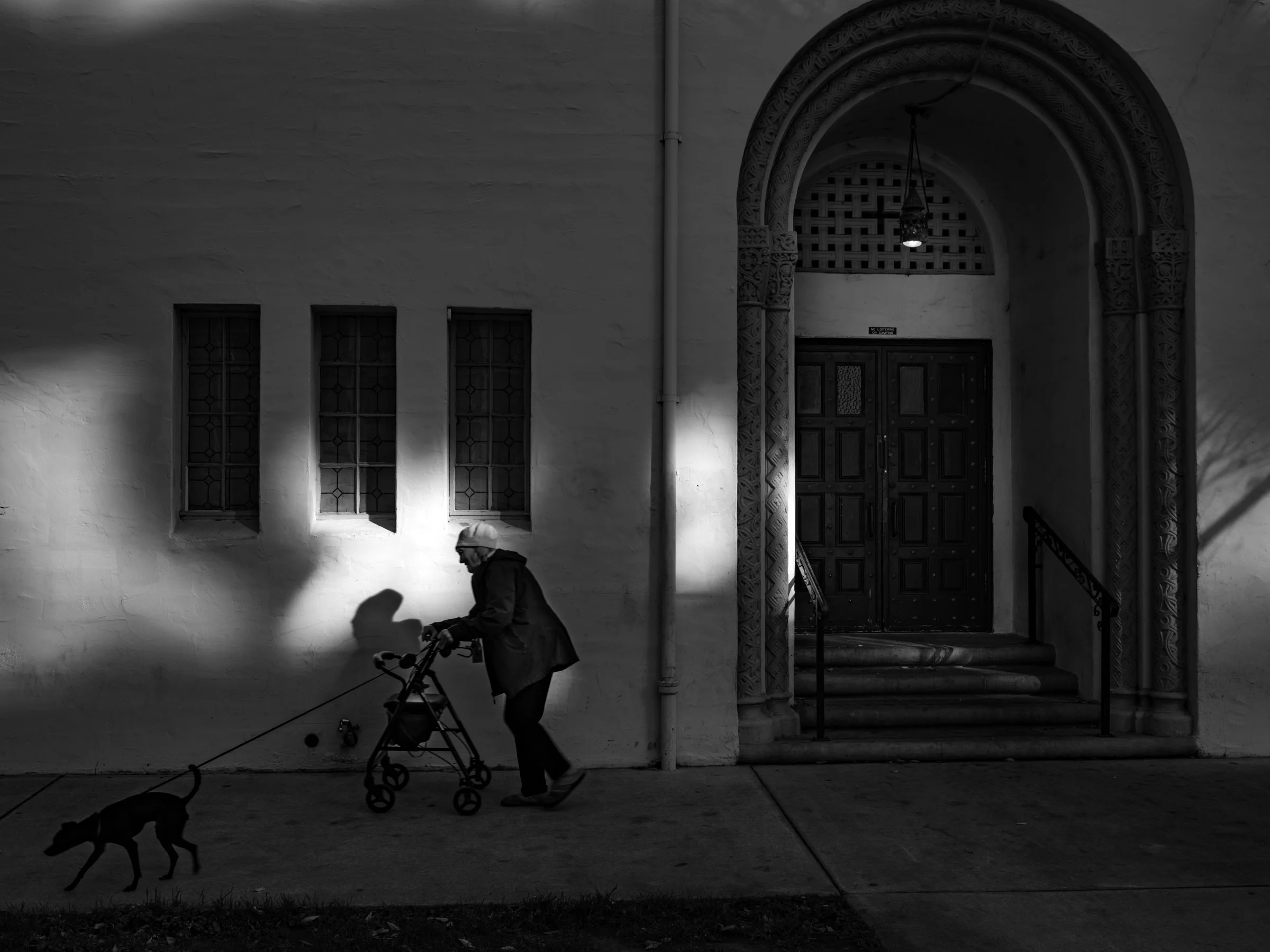
One of the things that made this year so incredible was that I felt like I had truly mastered my craft. After 27 years of being a photographer, the technical aspects of the job no longer felt overwhelming, and I had a deep understanding of my equipment and knew how to use it to its fullest potential. This allowed me to focus on the art and the interaction with my subject.
I also felt like my connection with my subjects was stronger than ever before. I had a real understanding of what they wanted to convey through their photographs and was able to capture that emotion in a way that truly resonated with them. I received countless messages from people thanking me for capturing special moments in their lives, which was incredibly rewarding.
Overall, 2022 was a fantastic year for me as a photographer. I captured so many beautiful images and had so many wonderful experiences. I am grateful for the opportunity to do what I love and look forward to continuing to capture the beauty in the world for many years to come.
Below is just a small sampling of the year.
Location Scouting
Scouting your own locations for photography can be a powerful tool for serving your clients. By taking the time to personally explore and evaluate different locations, you can gain a deeper understanding of the unique characteristics and potential of each location. This can help you to better visualize and plan for the types of shots you want to capture, and to identify any challenges or limitations that may arise during the shoot.
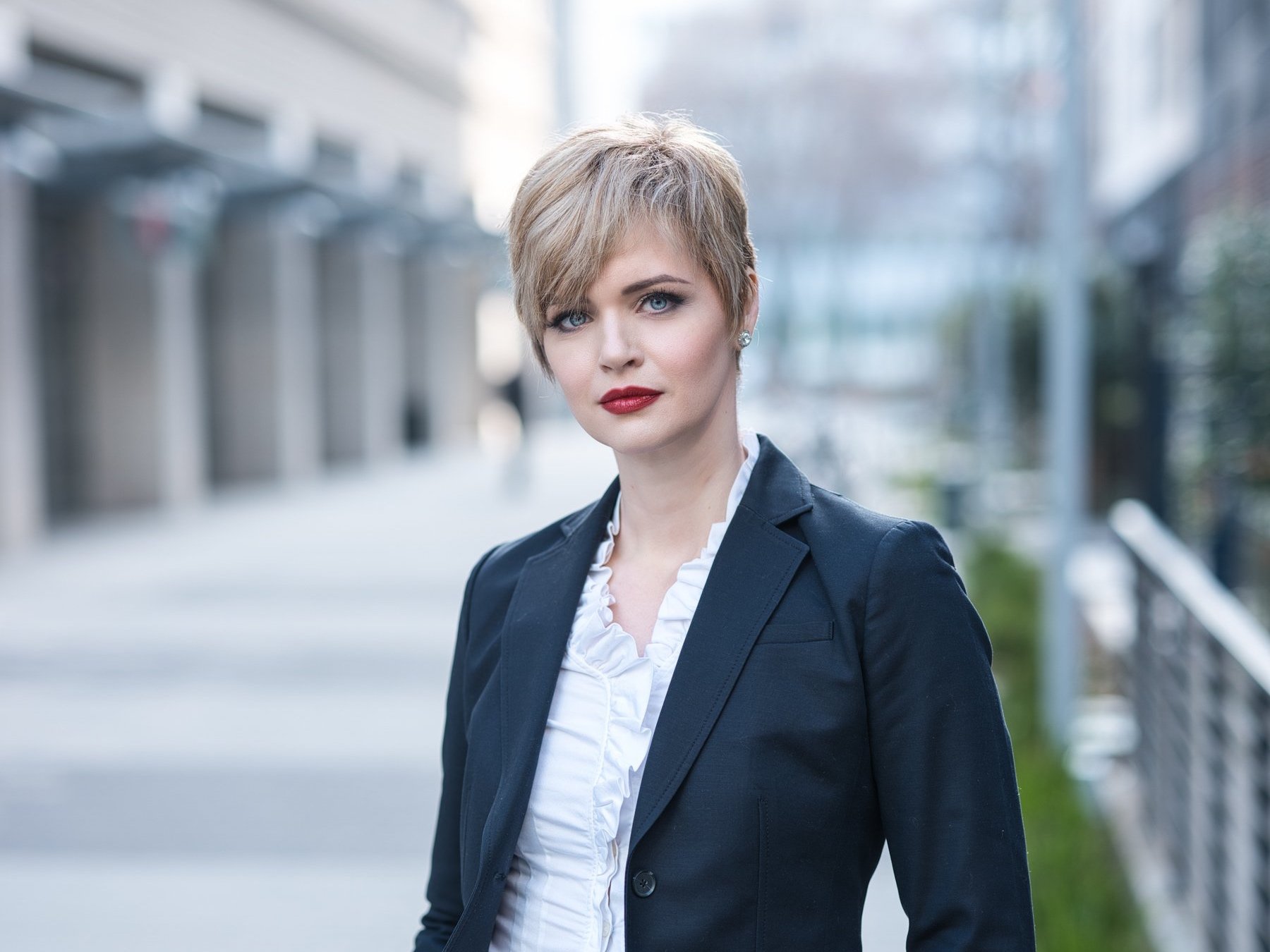
Scouting your own locations for photography can be a powerful tool for serving your clients. By taking the time to personally explore and evaluate different locations, you can gain a deeper understanding of the unique characteristics and potential of each location. This can help you to better visualize and plan for the types of shots you want to capture and to identify any challenges or limitations that may arise during the shoot.
Additionally, scouting your own locations can allow you to tailor your recommendations to your clients based on their specific needs and preferences. Whether they are looking for a scenic outdoor setting, a modern urban backdrop, or something more intimate and personal, you can use your knowledge of local locations to suggest options that will best meet their needs.
Overall, scouting your own locations for photography can help you to be more proactive, creative, and confident in your work, which can ultimately lead to happier clients and better results.
Executive portraits
As a professional corporate photographer, I've had the opportunity to work with some fantastic clients. I've been blessed to have had such a great year, and I look forward to continuing my work in the coming year.
I'd like to take a moment to talk about corporate portraits and why they're essential. A corporate portrait is essentially a headshot but with a few important distinctions. First and foremost, a corporate portrait is taken in a business setting. This could be in an office or at a corporate event. It's important to capture the subject in their element so that the portrait is professional and conveys the right message.
Another important distinction is that a corporate portrait is usually taken with a specific purpose in mind. For example, a company might use a corporate portrait on their website, or in marketing materials. Headshots are often used for press or publicity purposes. It's important to keep this purpose in mind when taking the photo, so that you can make sure the portrait is effective.
Finally, corporate portraits are generally taken in a more formal style than headshots. This doesn't mean that they have to be stuffy or overly serious, but they should look professional. The subject should be well-dressed and groomed, and the background should be simple and clean.
If you're considering having corporate portraits taken, I highly encourage you to do so. They can be a great way to boost your professional image, and they can be used for a variety of purposes. I hope you have a great year, and I look forward to working with you soon!