Sacramento Fashion Week 2025 – A Photographer’s Perspective
Fashion Week always brings a mix of creativity, spontaneity, and technical challenges. This year at Sacramento Fashion Week, held at the Crocker Art Museum, I set out with a clear vision of how I wanted to capture the event. Over two nights, I experimented with lens choices, lighting techniques, and visual storytelling,
Fashion Week always brings a mix of creativity, spontaneity, and technical challenges. This year at Sacramento Fashion Week, held at the Crocker Art Museum, I set out with a clear vision of how I wanted to capture the event. Over two nights, I experimented with lens choices, lighting techniques, and visual storytelling, narrowing down my final selections to 46 images that best represented my approach.
Night 1 – Up Close & Personal with a 20mm Lens
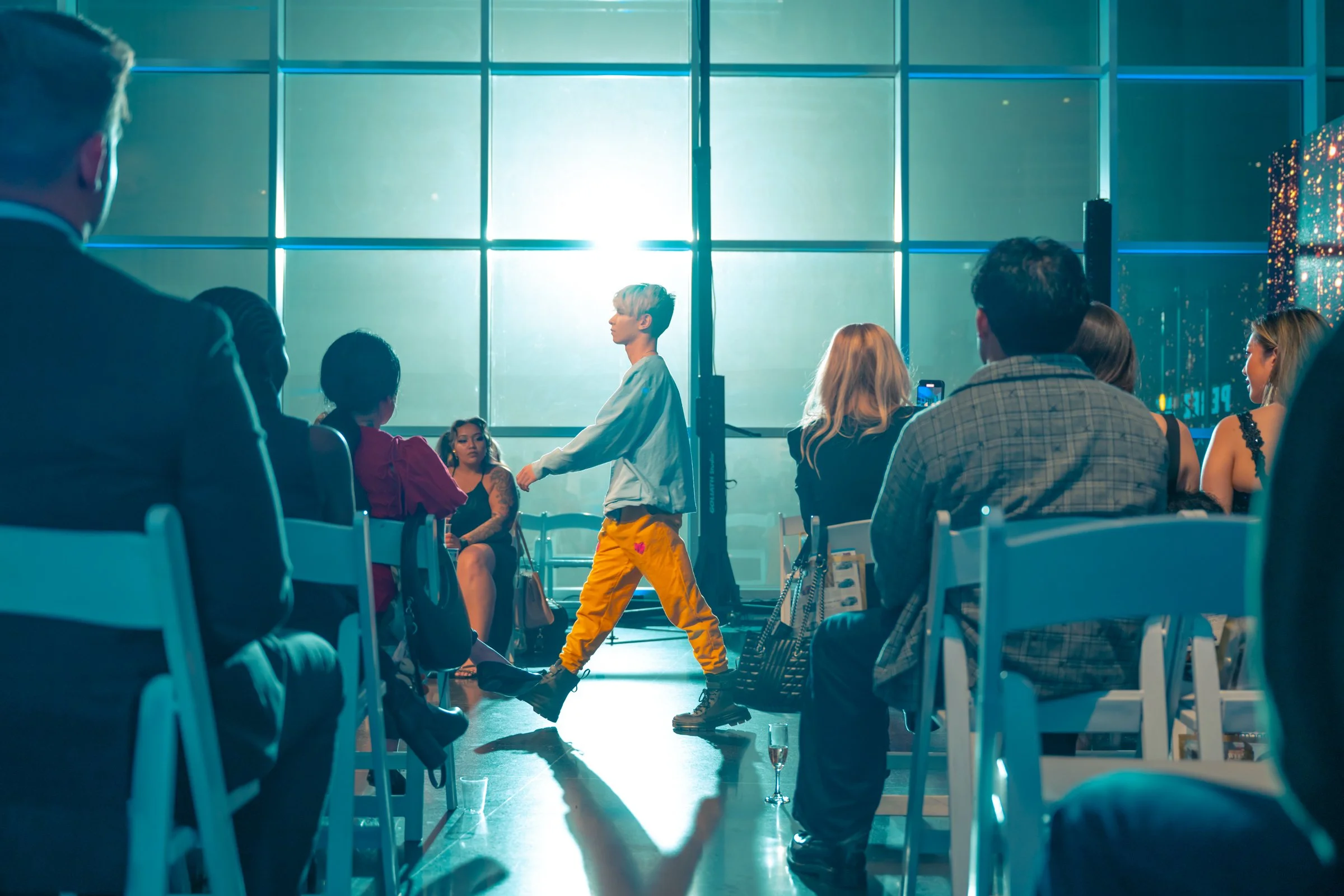
For the first night, I committed to using a 20mm fixed lens, which forced me to get close and fully engage with my subjects. A wide-angle lens like this is powerful when used up close—it creates intimacy and pulls the viewer right into the scene. When shot from a distance, it tends to lose impact unless you’re capturing an entire environment.
I also experimented with a strobe positioned outside the main window to illuminate the runway. The idea was to create dramatic backlighting for the models as they walked. While I liked some of the results, I hadn’t anticipated the subtle patterned texture on the museum’s windows. This caused the light to diffuse more than expected, softening its impact. That’s part of the creative process—trying new things, adapting, and learning from the results.
Night 2 – Flexibility with a 24-70mm Lens & On-Camera Flash
For the second night, I switched things up and shot with my 24-70mm lens, staying mostly at the 24mm end. This gave me more flexibility to react to the fast-paced environment while still keeping the immersive feel I wanted.
I also mounted my flash onto a strobe frame, keeping it as close to the lens center as possible when shooting vertically. This technique helps reduce shadows, creating a distinct, high-energy look. The bright, direct light adds an editorial feel that works well in a fast-moving setting like a fashion event.
Finding the Right Moments
While covering events like this, I always seek out candid, organic moments rather than posed shots. If someone naturally strikes a look when I raise my camera, I’ll take the shot, but the most interesting images often come from unexpected interactions.
For example, I captured a few moments when models were eating sour candy backstage—it was a break from the polished, high-fashion aesthetic, showing their personalities in a fun way. Encouraging these unscripted moments adds layers to the story of the event.
Post-Processing & Creating a Cohesive Style
Once the event was over, I spent a few days refining my edit, looking for a consistent visual style that tied both nights together. My final adjustments included:
• Opening up the exposure for a brighter, more open feel.
• Dramatically lowering contrast to create a soft, balanced look.
• Dropping highlights & whites while lifting shadows & blacks to retain detail.
• Shifting the white balance cooler for a sleek, editorial feel.
• Fine-tuning colors in Lightroom’s color mixer to match the aesthetic I envisioned.
Applying this look across all images helped ensure the series felt cohesive and intentional.
Final Thoughts
Shooting Sacramento Fashion Week was a fantastic creative challenge. With so much visual energy—bold designs, vibrant colors, and stunning models—it was the perfect playground for experimenting with different techniques.
I’ve learned over time to shoot for myself first—to create images that I find visually compelling rather than worrying about outside opinions. In this case, there wasn’t a single “client,” just a shared goal of representing the event well. That gave me the freedom to pursue the angles, subjects, and style that felt right.
It also reinforced something I’ve long believed: warming up visually before shooting makes a huge difference. Before each evening, I looked at images in a style I wanted to emulate, sometimes building a reference board on Pinterest to set the tone. Just like an athlete warms up before a game, priming your visual brain before a shoot helps you get into a creative rhythm faster.
I’ll be posting my final images in a series of Instagram posts, so keep an eye out! If you see yourself or know the designers, models, or hair & makeup artists, feel free to tag them.
📸 Follow along on Instagram: @englephoto_in
What’s your approach to shooting events like this? Drop a comment, and let’s talk about photography!
February 2023 cover for Sacramento Magazine
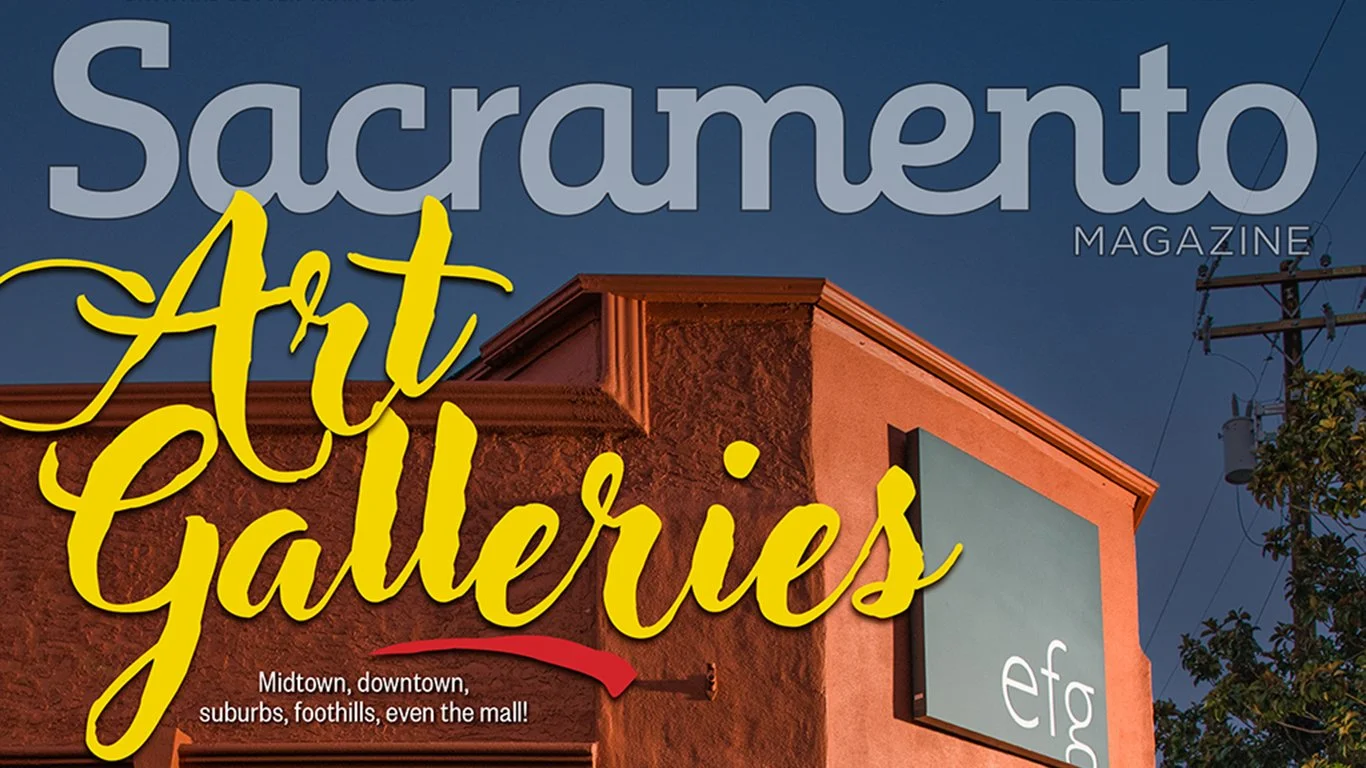
As an artist, there's nothing quite like seeing your work featured in a publication, especially one as prominent as Sacramento magazine. I was thrilled to have the opportunity to create the cover artwork and interior feature image for this month's issue, which focused on local art galleries.
In the process of completing this assignment, I had the pleasure of visiting several of Sacramento's most renowned art galleries, including Elliott Fouts Gallery, Archival Gallery, Axis Gallery, Blue Line Arts, The Brickhouse Gallery and Art Complex, Kennedy Gallery, Latino Center of Art and Culture, and Twisted Track Gallery. Each visit was a unique experience, and I was struck by the incredible range of talent and style on display. It was a powerful reminder of the thriving arts community that exists right here in Sacramento.
As an artist, there's nothing quite like seeing your work featured in a publication, especially one as prominent as Sacramento magazine. I was thrilled to have the opportunity to create the cover artwork and interior feature image for this month's issue, which focused on local art galleries.
In the process of completing this assignment, I had the pleasure of visiting several of Sacramento's most renowned art galleries, including Elliott Fouts Gallery, Archival Gallery, Axis Gallery, Blue Line Arts, The Brickhouse Gallery and Art Complex, Kennedy Gallery, Latino Center of Art and Culture, and Twisted Track Gallery. Each visit was a unique experience, and I was struck by the incredible range of talent and style on display. It was a powerful reminder of the thriving arts community that exists right here in Sacramento.
For the cover image, we decided to photograph the exterior of Elliott Fouts Gallery. This required a bit of preparation, including the setup of four lights and some creative thinking to add some extra visual interest. I also enlisted the help of my trusty assistant, Kevin, who was kind enough to fetch countless buckets of water to create the perfect wet sidewalk effect.
Working with the Art Director, Gabriel, we were able to recruit the one and only Phoebe Verkouw (IG: thedressfiend) and some of her fashionable friends as our cover subjects. Phoebe is a true professional, and I always enjoy collaborating with her.
All in all, it was an incredible experience, and I'm grateful to Sacramento magazine for giving me the opportunity to showcase my work in such a meaningful way. I hope this issue inspires others to explore the rich and diverse arts scene that can be found right here in our city.
Location Scouting
Scouting your own locations for photography can be a powerful tool for serving your clients. By taking the time to personally explore and evaluate different locations, you can gain a deeper understanding of the unique characteristics and potential of each location. This can help you to better visualize and plan for the types of shots you want to capture, and to identify any challenges or limitations that may arise during the shoot.
Scouting your own locations for photography can be a powerful tool for serving your clients. By taking the time to personally explore and evaluate different locations, you can gain a deeper understanding of the unique characteristics and potential of each location. This can help you to better visualize and plan for the types of shots you want to capture and to identify any challenges or limitations that may arise during the shoot.
Additionally, scouting your own locations can allow you to tailor your recommendations to your clients based on their specific needs and preferences. Whether they are looking for a scenic outdoor setting, a modern urban backdrop, or something more intimate and personal, you can use your knowledge of local locations to suggest options that will best meet their needs.
Overall, scouting your own locations for photography can help you to be more proactive, creative, and confident in your work, which can ultimately lead to happier clients and better results.
Sacramento magazine may cover shoot
I was very excited to get the assignment to make the May 2021 cover for Sacramento magazine. This one presented different challenges that I've dealt with in the past. A majority of the images I made were with my drone. Some of the locations required me to ride my mountain bike, which presented a set of physical challenges I wasn't quite in shape for.
I'm no stranger to riding, but it's been quite a few years since I've been off-road with my bike.
I put together a small kit to take to the different locations that consisted of my drone, three extra batteries, and, just in case, my Nikon Z6 with a 24 to 70mm. Gabe, the art director, joined me on a few of the shoots. It was great having him along to ensure the images I was making were what he needed.
Going into all these locations around the area reminds me of what great outdoor activities we have in this region.
Sacramento's finest
I had the pleasure recently of working with some of Sacramento's finest. Members of the Sacramento County Sheriff's office. I've been interested in making some portraits for them for quite some time my friend Rich who works for the department was able to set up an afternoon for us to make some images.
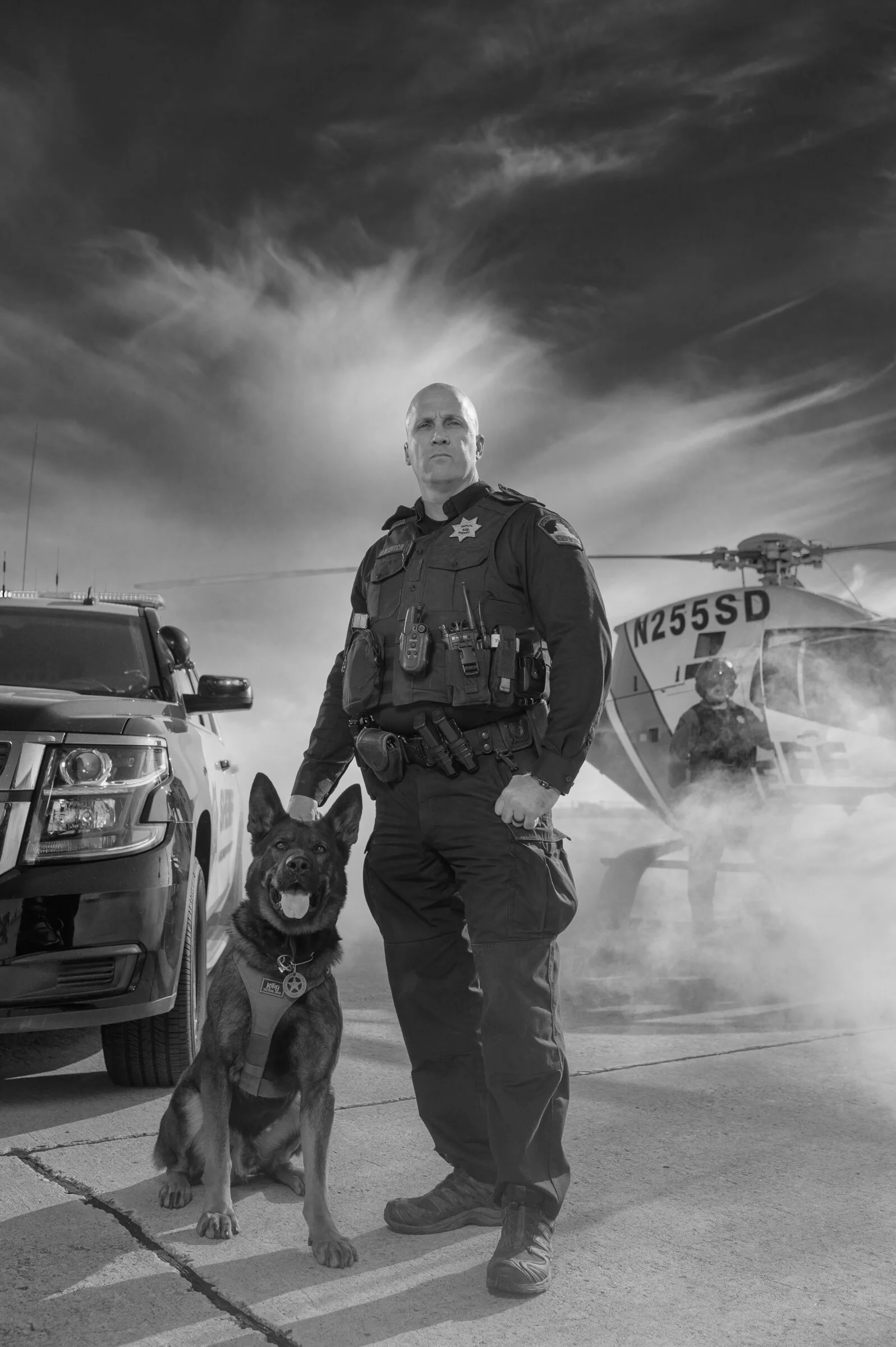
I recently had the pleasure of working with some of Sacramento's finest; Members of the Sacramento County Sheriff's office. I've been interested in making some portraits for them for quite some time. My friend Rich who works for the department was able to set up an afternoon for us to make some images.
My goal was to make the deputy and officers look heroic, similar to the images I made of the female fighter pilots of Athena's Voice.
I feel that it is important to come up with shoots that you assign for yourself. I've learned over the years that doing things for myself, which involve different technical and creative challenges, has helped me with my assignment work. Many times clients have asked me for images similar to ones I've done for myself. It's very risky to do new things for clients that haven't been tested and proven. I certainly don't want to go into a paid assignment, hoping my idea works. I want to have proven it out before on my own.
Special thanks to Rich Carranza for setting this all up and Skip Jones for the assistance.
Gear used
Nikon Z6
Sigma 35mm Art Lens & 85mm Art Lens
Phottix Indra 500's
My Month
The other day I was having a conversation with a client, and they asked what an average month looks like for me. It’s something I haven’t given much thought to lately, but I looked back and pulled images that represented what my month looks like.
The other day I was having a conversation with a client, and they asked what an average month looks like for me. It’s something I haven’t given much thought to lately, but I looked back and pulled images that represented what my month looks like. It showed that I have a lot of variety. While some photographers have niches and specialties when it comes to their portfolios, I enjoy keeping a wide range of things I photograph. It keeps me interested and excited. There are also technical things that I pick up or learn from one assignment that can benefit another.
When I don’t have an assignment for a client to work with, I usually self assign projects. A lot of times, those end up being beauty type work, and I try to do something technical that can serve me commercially. I never want to go to a commercial shoot and experiment for the first time, so I always test several times to make sure I’m comfortable and proficient in that technique or style.
Below is a representation of August 2019. The first images were made for Sacramento magazine’s “Best of Sacramento” issue.
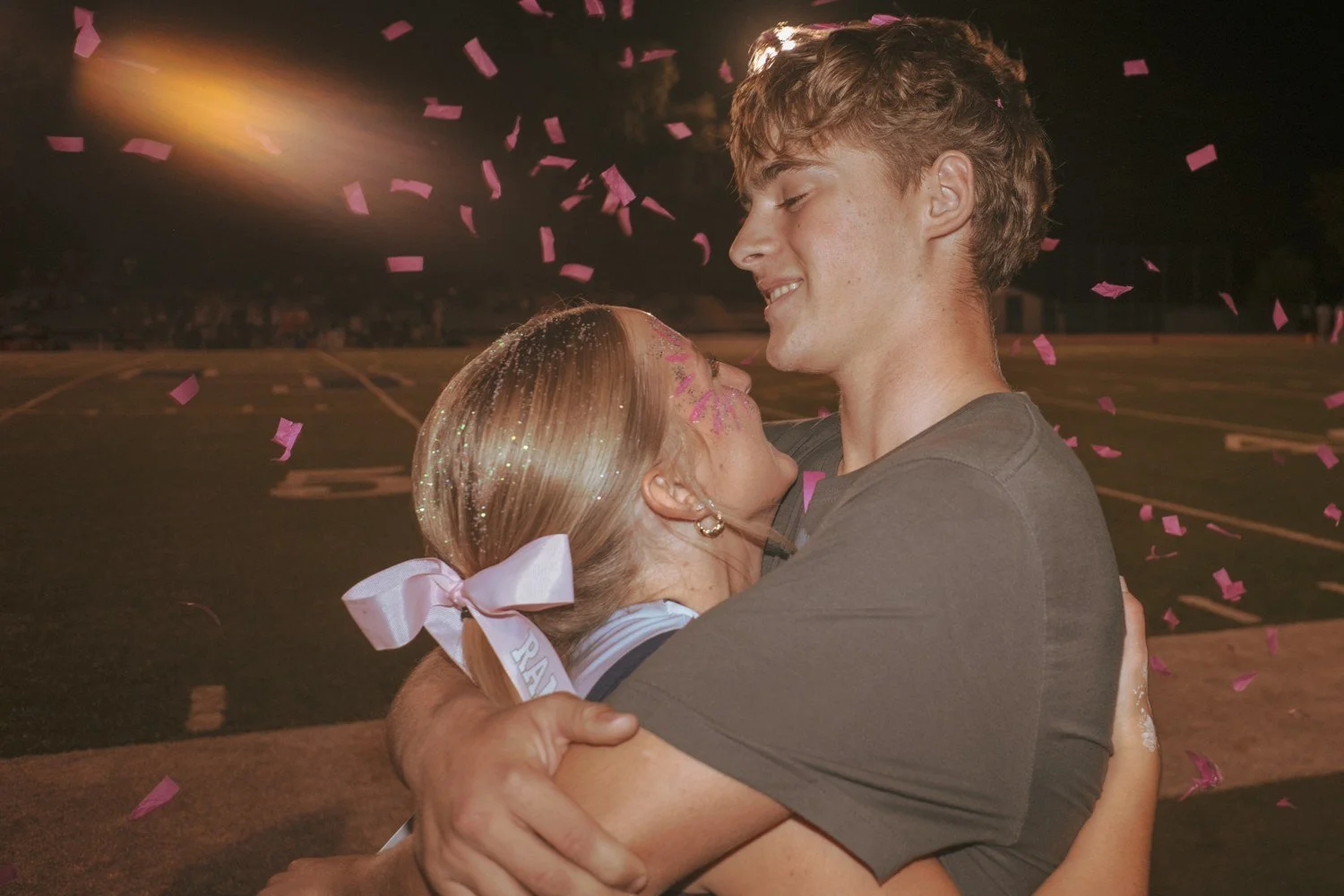
The next images are photos I do for the Casa Roble High School football team. Which my two sons were a part of in the last eight years, but no longer.
Then there’s a group of 39 I did for a private client. I ended up having to substitute for different people into that image for the final composite. The rest of the gallery represents various beauty and private work, as well as a few of the images I did for the Preston Castle.
So for that month, I ended up making 7166 images.
Now on to the next month.
An afternoon with some amazing history
Recently I was assigned to cover the historic rail yards in Sacramento, which consist of the Railyard, Boiler Shop, and the Erecting Shop for Sacramento Magazine. If you live in Sacramento, then you know this iconic location. Located in downtown Sacramento, it's been a location that I have wanted to explore my entire life. So my excitement, when I learned I was going to shoot there, was through the roof! The short story on why it became possible to shoot there is that the rail museum became the owner of the property recently and the red tape to get in was reduced. It still took a few months of e-mails and phone calls, which I was more than happy to participate in.
Now for the planning part.
I had no idea what I would face in terms of lighting. All I knew was that the windows are big and beautiful. Knowing I would have some good natural light, I planned on bringing reflectors and strobes. Regularly using my Nikon 810 and Nikon D4, I also wanted to add an extra camera to my arsenal for this assignment, so I rented the Fuji GFX 50R. That's a medium format digital mirrorless camera. I had worked with the GFX the month prior in Palm Springs and loved the files it made. Also, the Electronic View Finder on the Fuji allows the user to see the exact image and exposure of the end product before you take it, which was a massive help in this environment.
Now onto the location.
My assistant Skip and I arrived around 8:45 am for the walkthrough. The first thing I noticed was how friendly the workers were. After further discussion, I came to find out that most of the workers are volunteers. These volunteers are there because of their absolute love of trains.
The next observation I had was how there is a vast amount of trains in the two buildings. As I looked around, I was a bit awestruck by the amazing history that surrounded me. It's tough to do the description justice (which is why I shoot pictures), but everywhere I turned I, saw part of our American history and learned how without the rail system we would not be the nation we are today.
It's time for the images.
We ended up shooting from 9am to noon. I could have gone all day, but our agreement was only for that time window and I never want to push it on these kinds of deals (I want to be invited back!). I made around 550 images and used the GFX for about 80% of those shots. I didn't use any strobes and only used the reflector a little; the light was that good!
Lastly, if you have never been to the main Rail Museum in Old Sacramento, then I suggest you go! And if you have been, then go again. They have some new items that are worth learning about and be sure and talk with the volunteers; they have some fascinating stories to tell.