
The Small Lens That Changed How People Reacted to My Camera
Using the Viltrox 28mm f/4.5 Beyond the Obvious
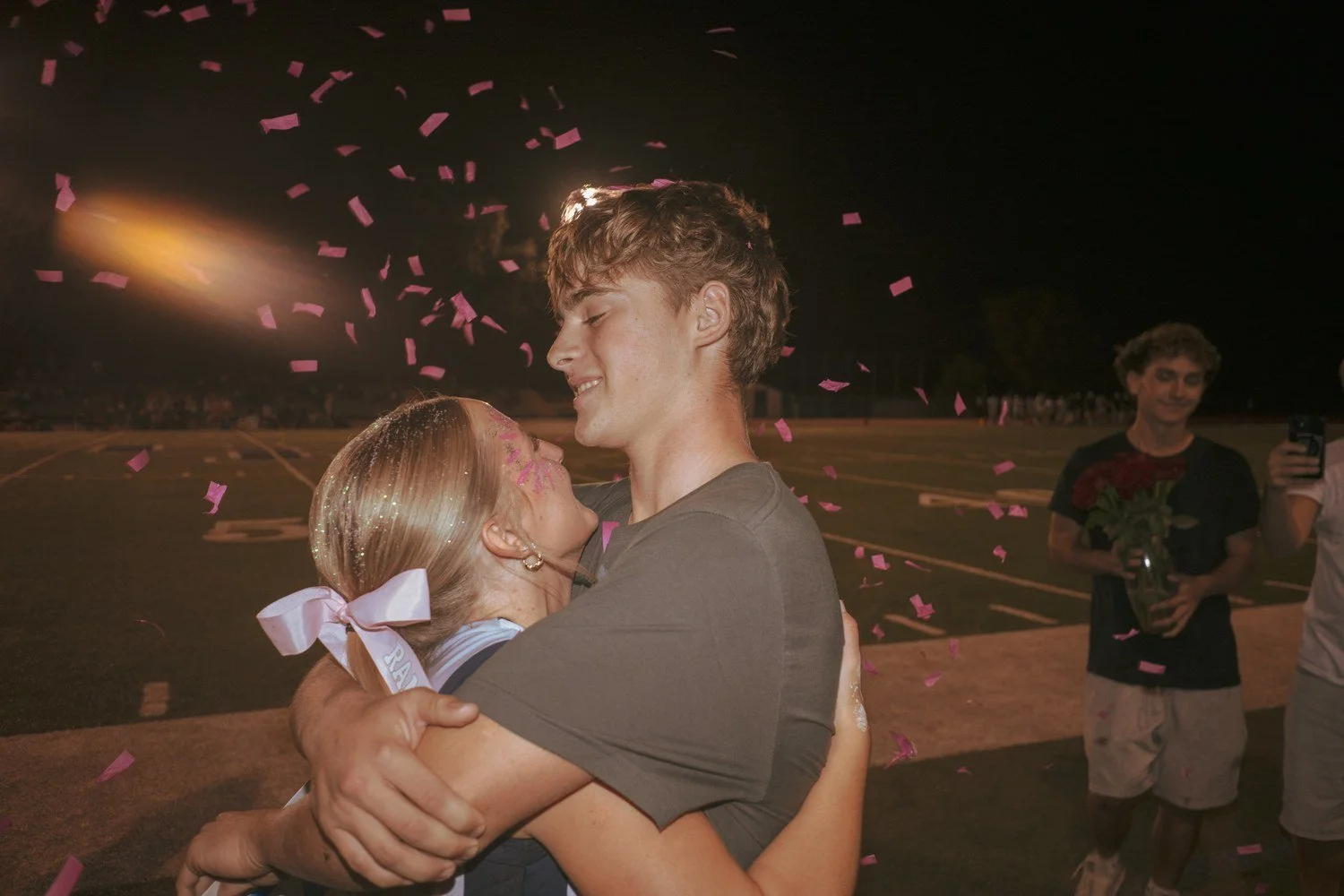
One night this season, on the sideline, a kid asked a cheerleader to prom. I was right there, with a small camera, a 28mm pancake, and a little flash. Nobody stiffened up. They just kept having their moment.
For years, I have thought about lenses mostly in terms of what they do to a photograph.
Focal length. Perspective. Compression. Depth of field.
Lately, I have been thinking just as much about what a lens does to the person standing in front of it.
That became especially obvious after I started carrying the Viltrox 28mm f/4.5 pancake lens on a second camera while photographing high school football.
It is tiny. It is inexpensive. It does not look serious.
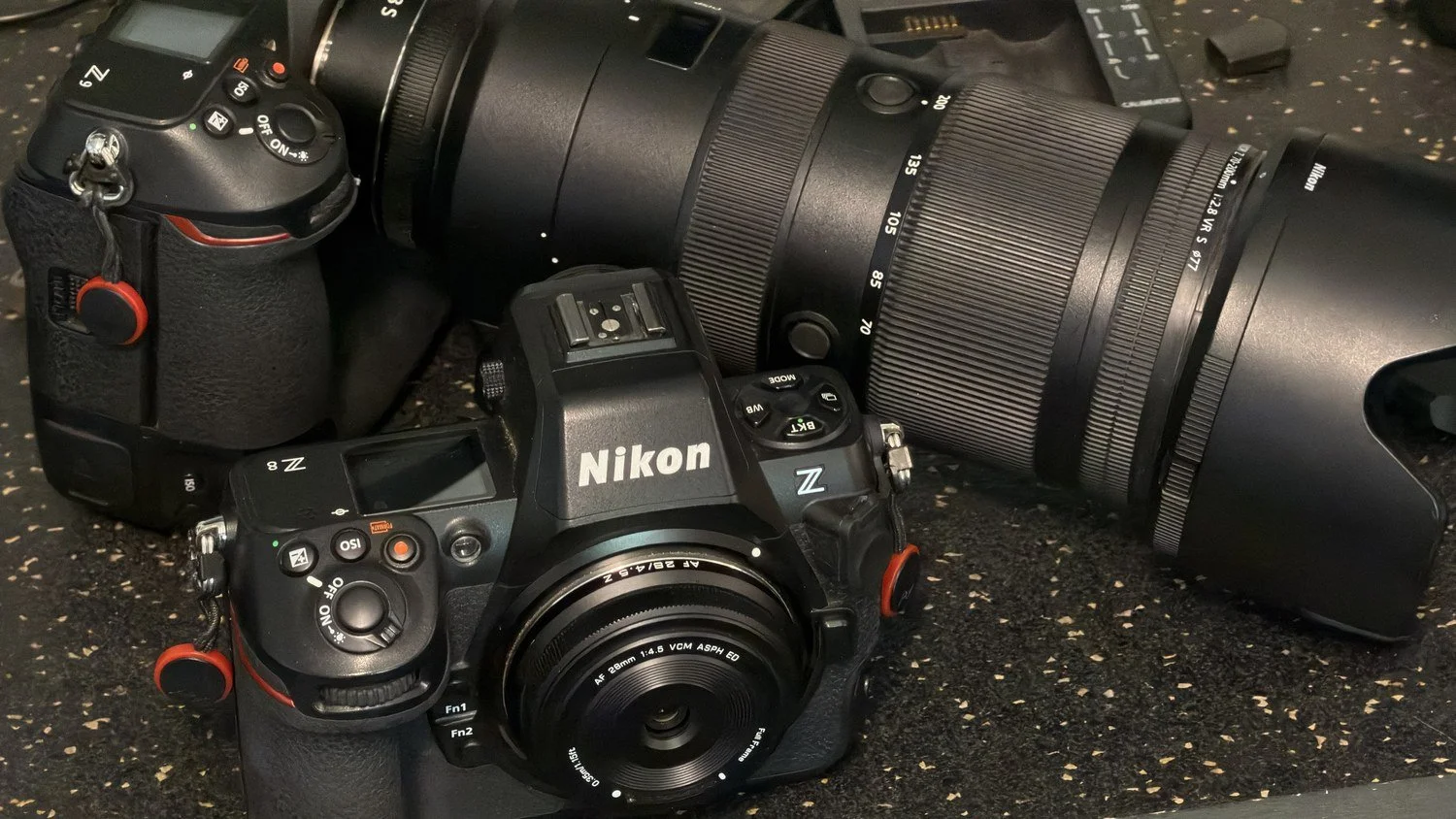
And that is exactly what makes it interesting.
A Camera Can Change the Room
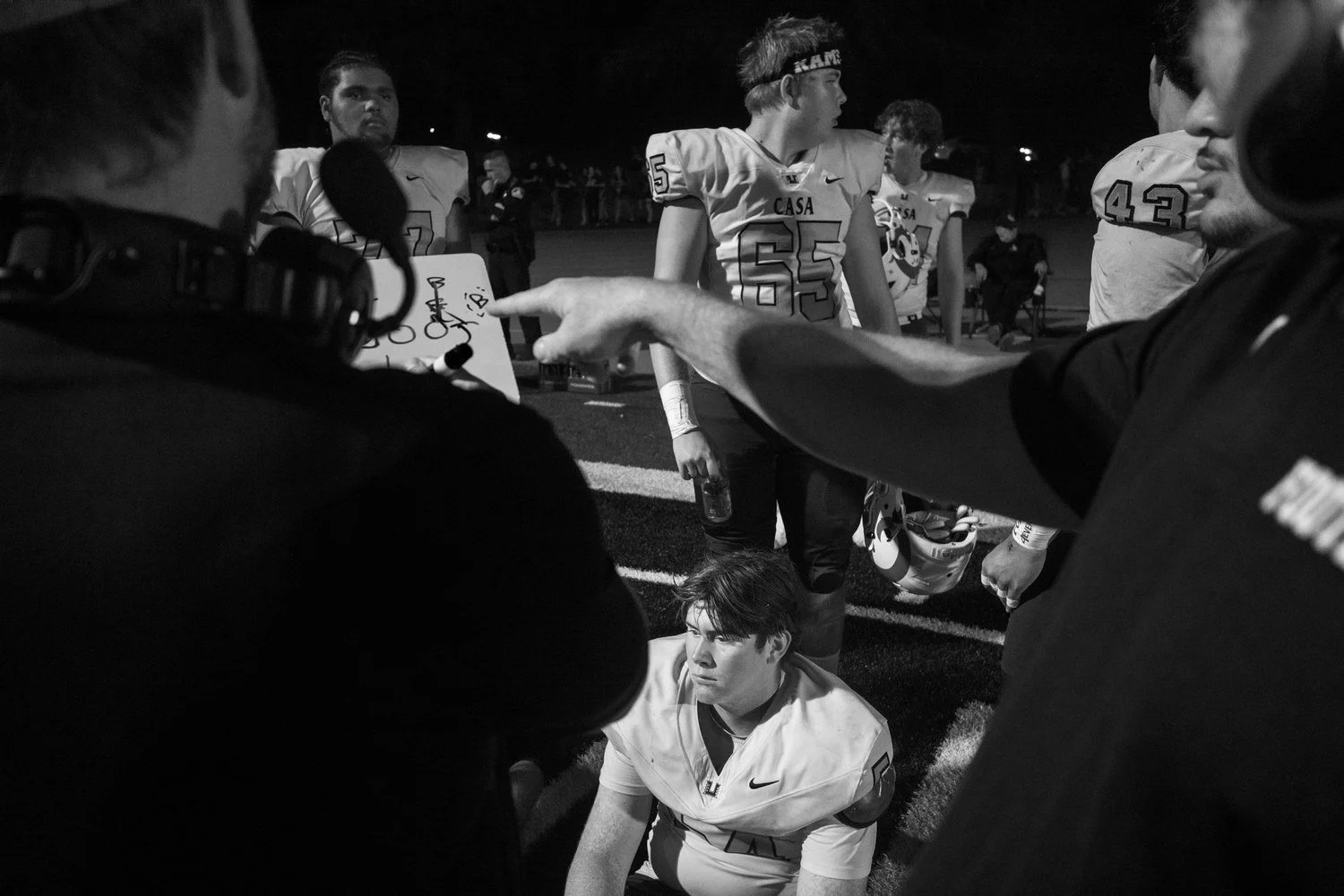
Walk toward somebody with a large professional camera and a 70–200mm lens and people notice.
They straighten up. They start thinking about the camera. Sometimes they begin performing for it.
Walk toward the same person with a small camera and a lens that almost looks like a body cap, and the reaction can be completely different.
This lens surprised me with how people react to it. Because it’s a funny little pancake, people don’t treat the photo as permanent.
They do not always think the photograph counts.
That can be useful.
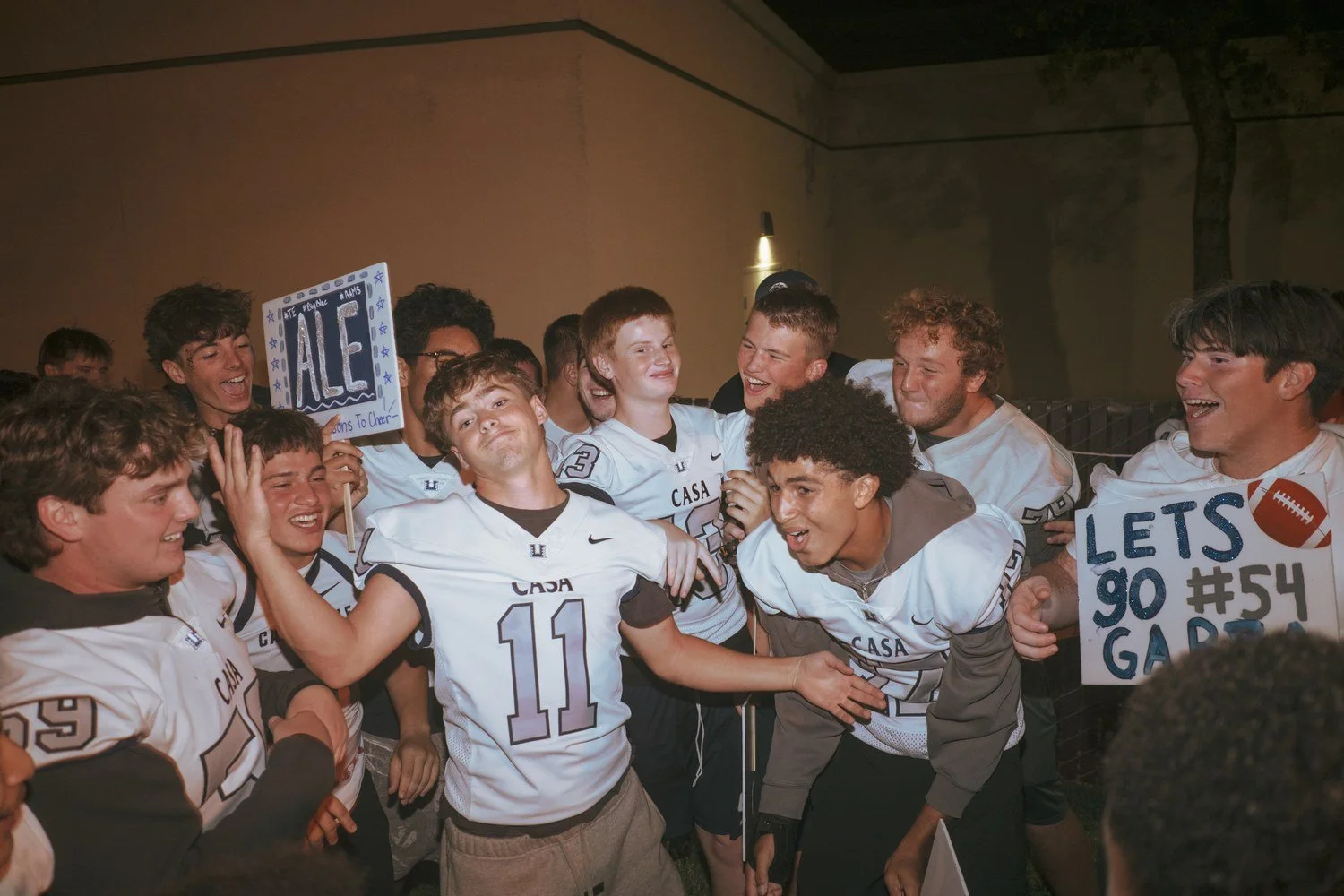
I have been photographing high school football for years, and this season I started carrying a second camera with the Viltrox 28mm f/4.5 and a small flash.
My main action camera still handles the field.
The 28mm setup is for everything happening around it.
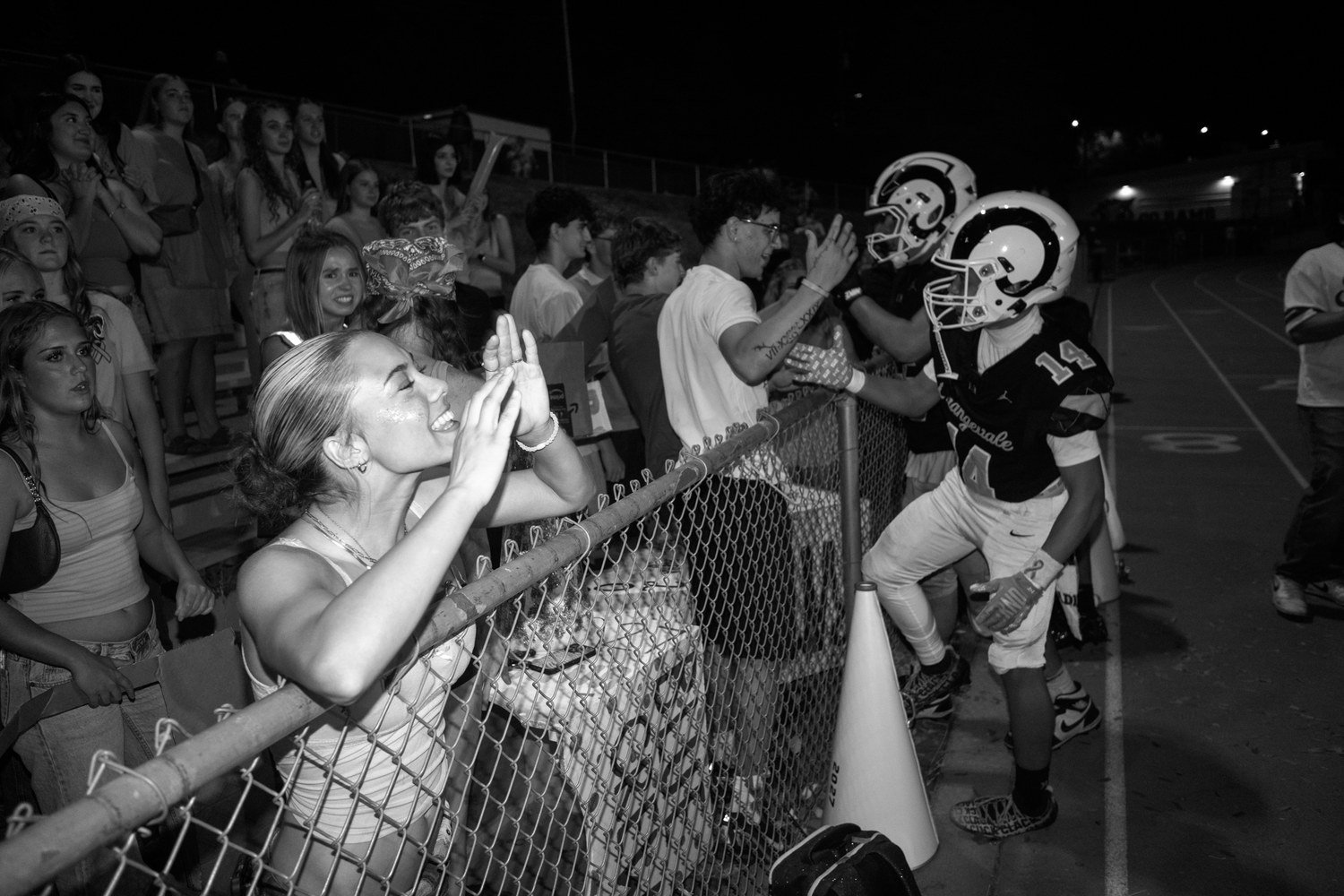
Players on the sideline. Coaches. Cheerleaders. Students. Small moments that happen between the moments everyone is expecting me to photograph.
Because the setup looks less imposing, I can often get physically closer without changing the energy of what is happening.
That has become the part I find most interesting.
28mm Forces You to Participate
A 28mm lens does not let you hide across the room.
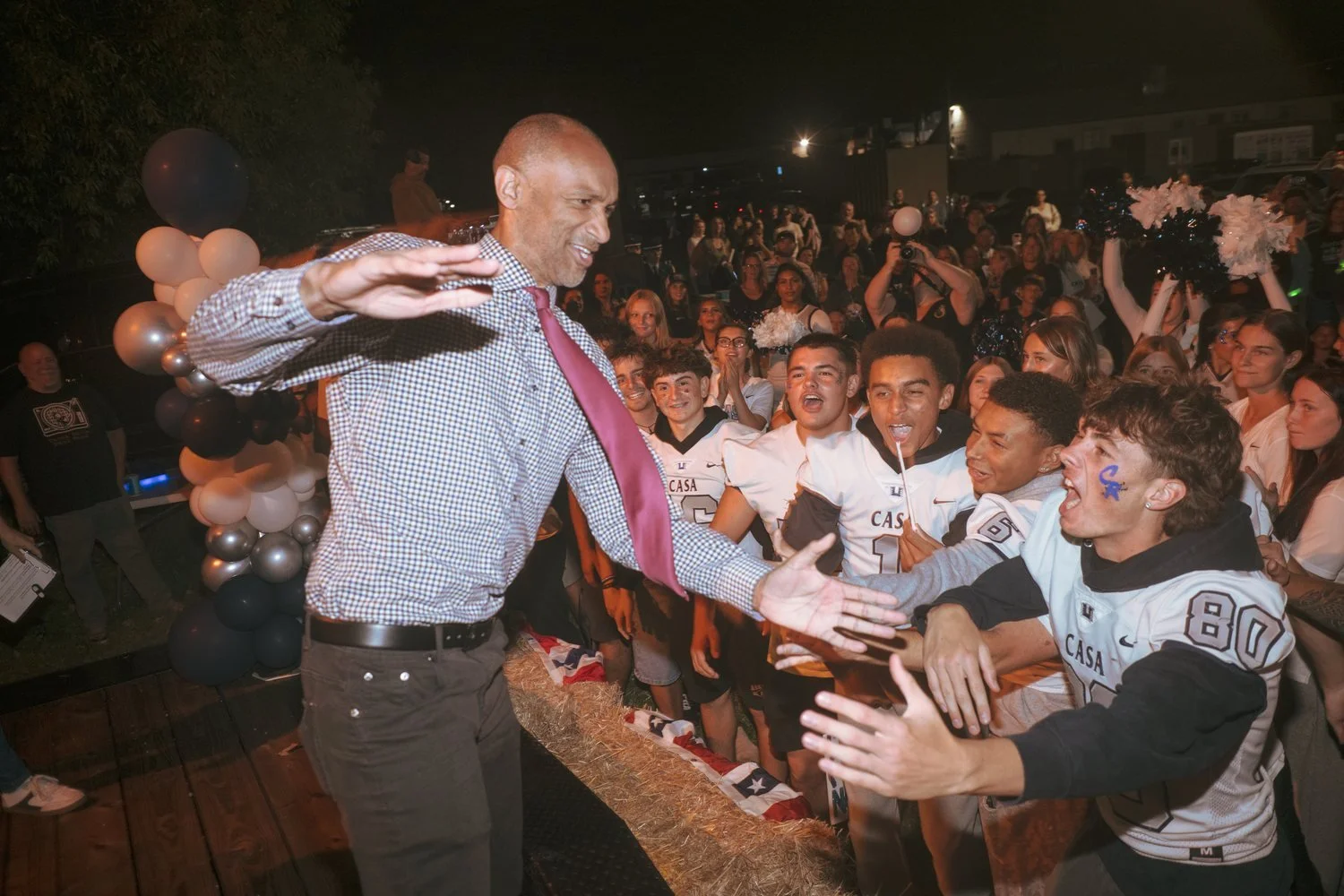
If you want the person to have a significant presence in the frame, you have to move toward them.
That means the focal length changes more than composition.
It changes your working distance.
And working distance changes the relationship.
This is something I talk about in my Conversations with a Camera portrait workshops. I normally begin a portrait session with an 85mm lens because it gives the subject some breathing room. Once there is rapport and some comfort, I may move to a 35mm and physically enter a much closer conversational space. (More on that in building rapport with your subjects.) It’s the same way I work in corporate headshots and executive portraits.
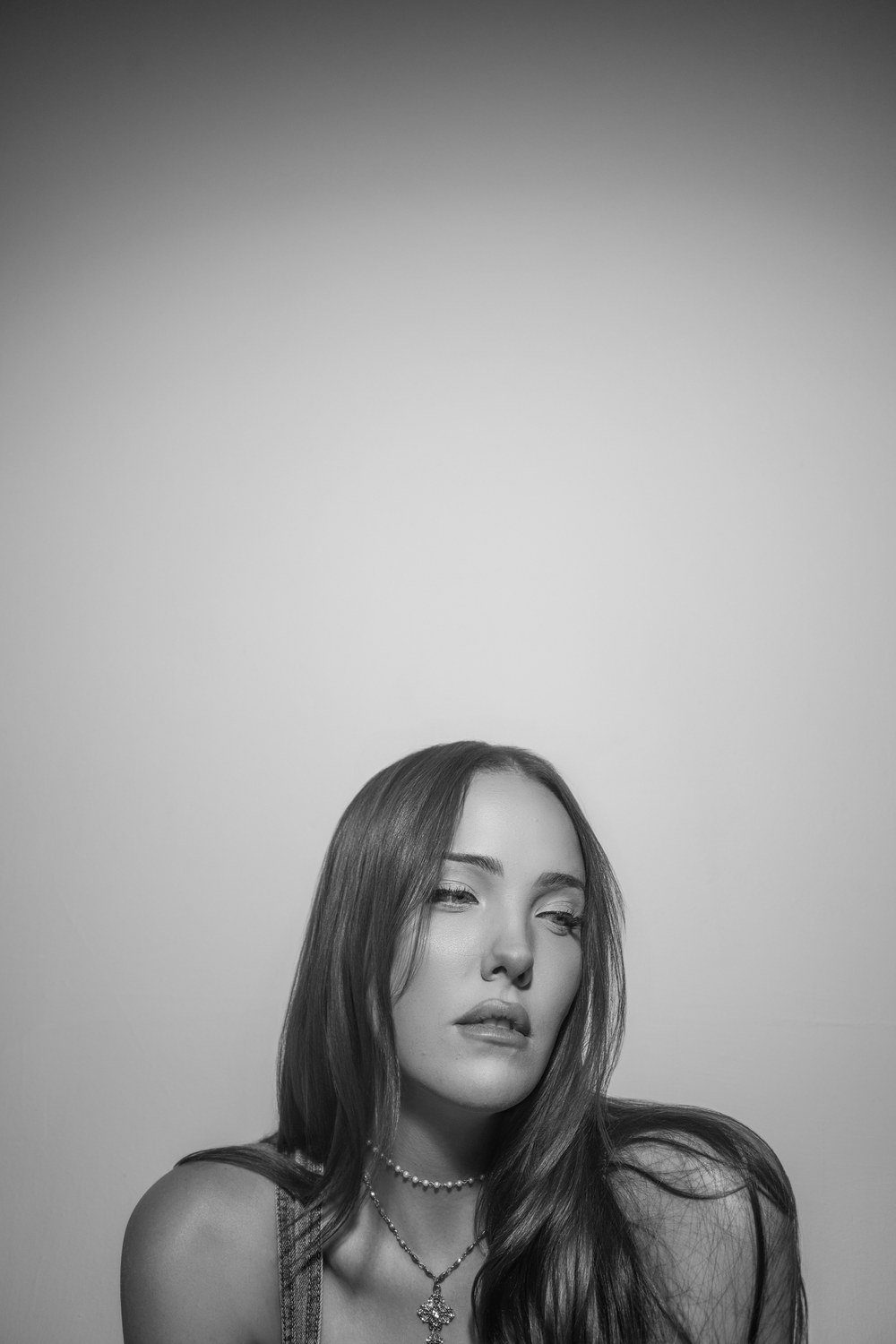
The 28mm takes that idea another step.
You are in it.
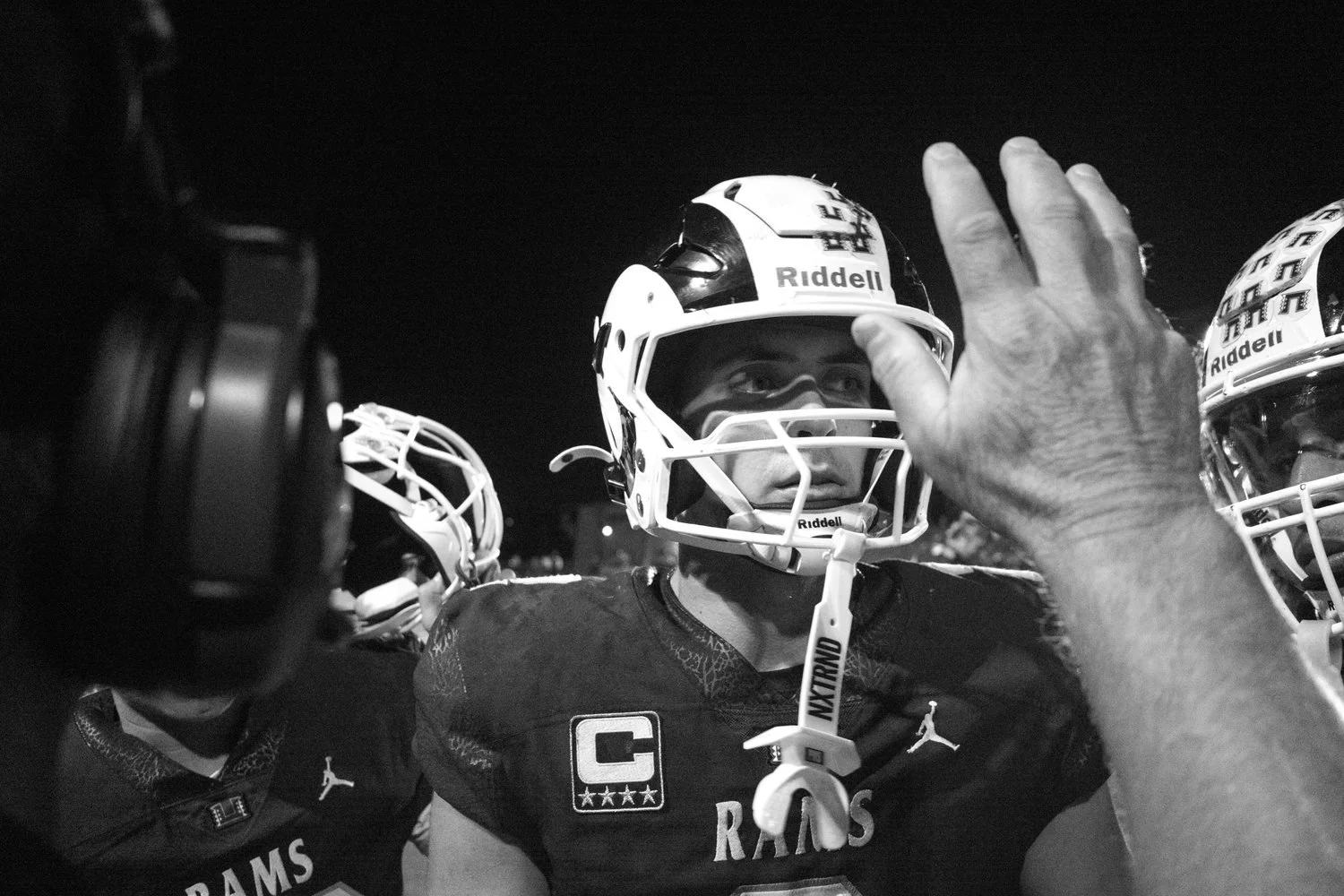
For certain photographs, that proximity creates an energy that would be difficult to duplicate by standing farther away and zooming in.
It Is Not About Making Everything a 28mm Portrait
There are tradeoffs.
Get too close with a wide lens and perspective can exaggerate whatever is nearest the camera. Faces, hands, arms, and anything near the edge of the frame need attention.
That does not mean a 28mm is a bad portrait lens.
It means you need to understand what it is doing.
Sometimes I want that slight exaggeration. Sometimes I want the environment to become part of the portrait. Sometimes the lens is simply the wrong choice and I switch.
There is no reason to force a focal length onto a person just because you like the lens.
The photograph still comes first.
The Limitations Are Part of the Fun
The Viltrox 28mm f/4.5 is fixed at f/4.5.
There is no decision about aperture.
That sounds limiting, but sometimes removing decisions is freeing.
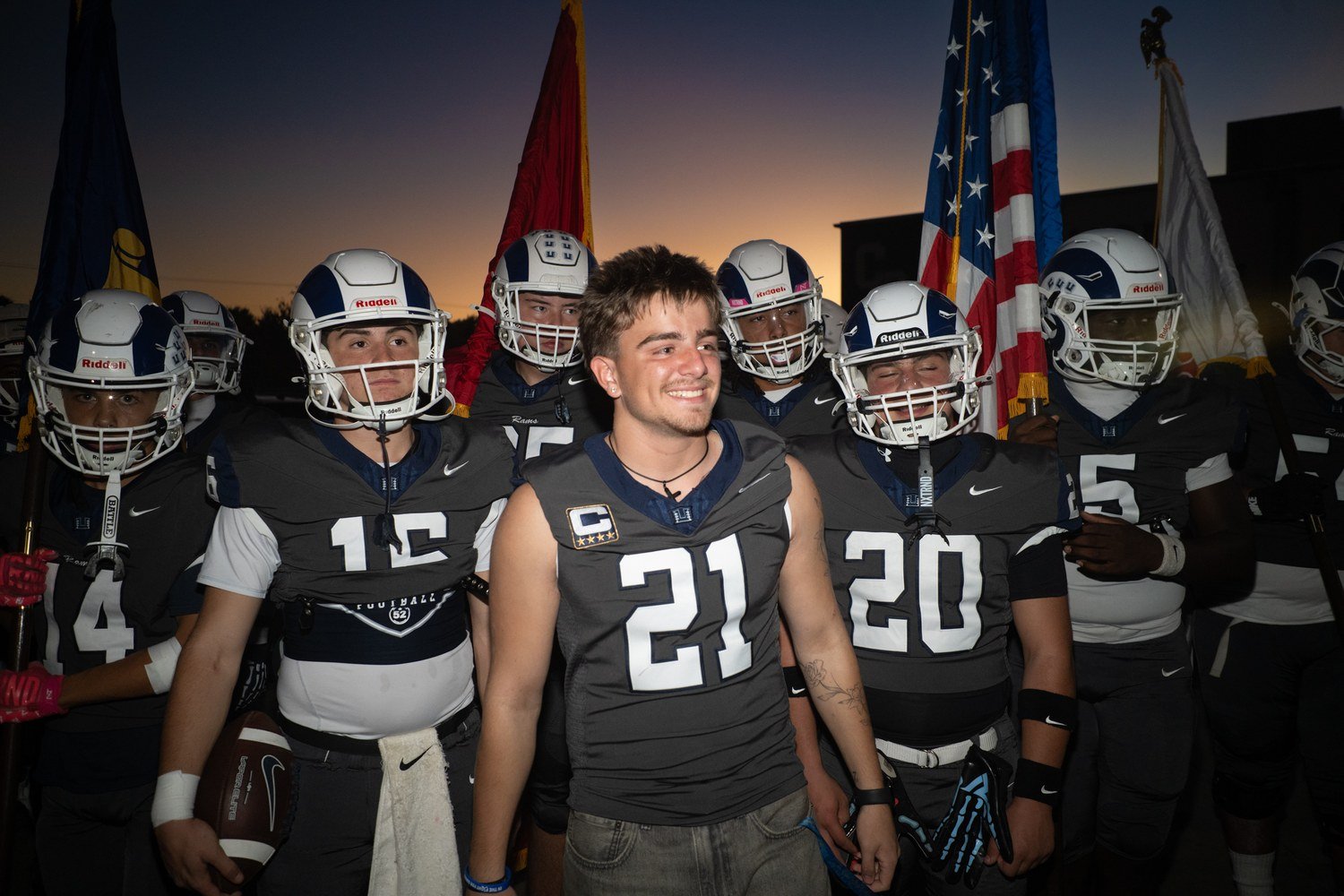
For football, I can set a shutter speed that works for the situation, let the ISO handle the changing light when appropriate, and concentrate on what is happening around me.
At night, I have also been pairing it with a small TTL flash.
It is not a giant lighting setup. It is not supposed to be.
It gives me enough light to work close, which is exactly where a 28mm wants me to be anyway.
The result is a very small package that lets me move quickly and react without carrying another large camera-and-flash combination around the field.
The Flare Has Become Part of the Look
One thing I did not expect was how much I would enjoy the flare from this lens.
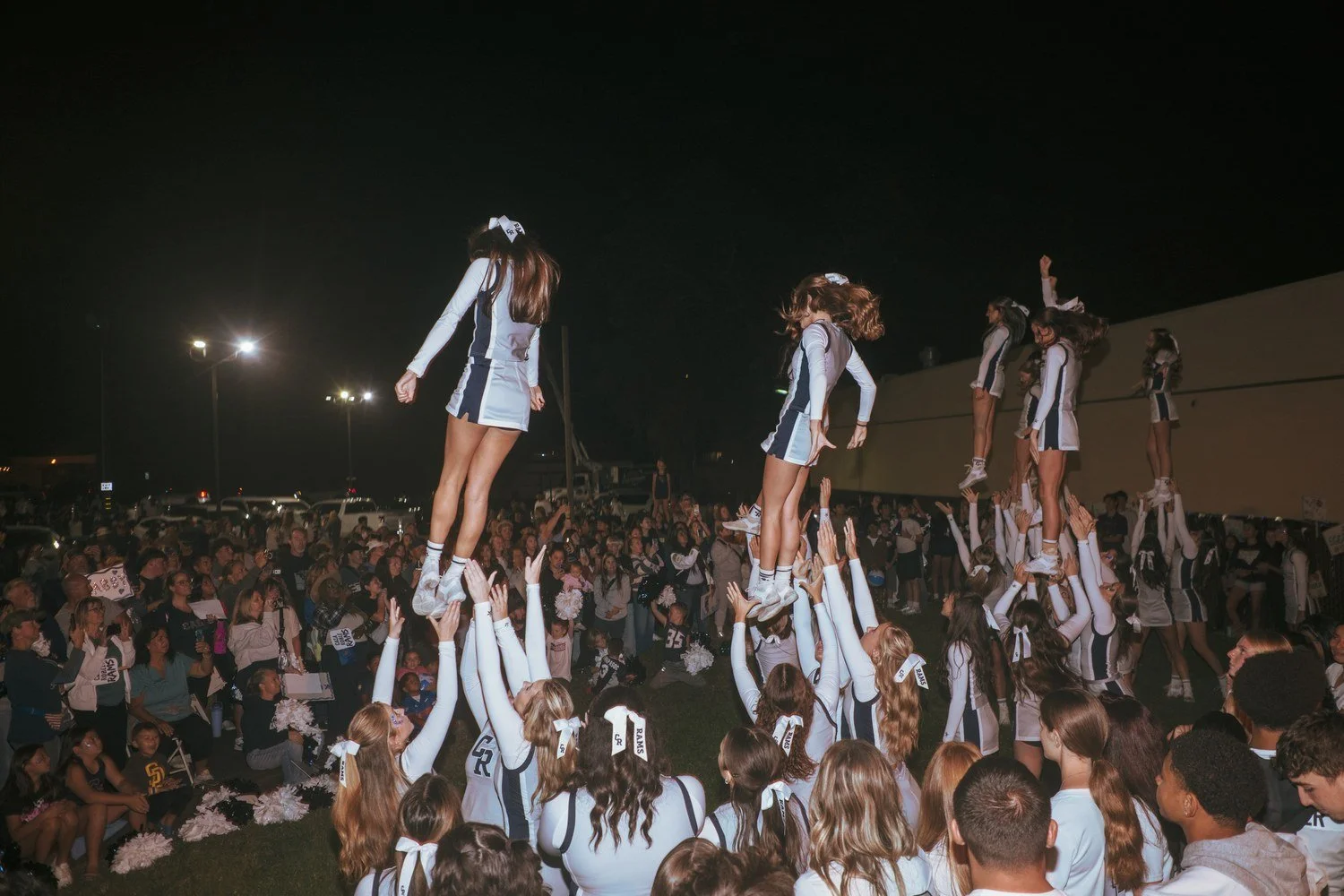
Stadium lights can bloom and streak in ways that are not necessarily technically perfect.
I like it.
Photography does not always have to be clinically perfect.
That is especially true with the black-and-white work I have been making with this setup. The small lens, direct flash, high ISO, flare, and close working distance all start to create a visual thread.
That is more interesting to me than whether the lens wins a laboratory test.
Expensive Gear Is Not the Point
I have been making photographs professionally for more than 25 years, and one lesson has become clearer the longer I do this:
It does not make the photograph.
I have made published work with expensive professional equipment. I have also made magazine covers with inexpensive shop lights.
The tool matters because of what it allows you to do.
The Viltrox 28mm interests me because it changes how I work and, more importantly, how people react to me while I am working.
That is a lot of value from a very small lens.
The Bigger Lesson
The reason I keep coming back to this lens is not really the lens.
It is the reminder that every piece of equipment changes something.
A focal length changes where you stand.
A larger camera can change how seriously somebody takes the moment.
A smaller camera can lower the stakes.
A flash can create energy.
A tripod can let you step away from the camera and continue a conversation.
The technical decisions matter.
But the goal is to understand them well enough that eventually they stop being the center of your attention.
Then you can pay attention to the person.
That is where the photographs usually get better.
If your business needs photos made this way, see my corporate headshots, commercial photography, and editorial work.
