
Portrait Photography and Creative Growth in Sacramento
At the beginning of this year I spent some time reflecting on 2025 and asking a simple question: what work actually made me happy as a photographer?
Like most working photographers, a lot of my time is spent on assignments. Corporate headshots, editorial projects, marketing images, and portrait photography for clients. That work matters and it keeps the business moving forward. But when I looked back at the year, something interesting stood out.
Some of the photographs I felt the most connected to weren’t assignments at all.
They were the images I made simply because I wanted to make them.
Those shoots usually start with a simple idea: meet a friend downtown, try a lighting concept, experiment with a piece of gear I haven’t used in a while, or explore a location that looks interesting. There’s no client attached to it and no specific deliverable at the end of the day.
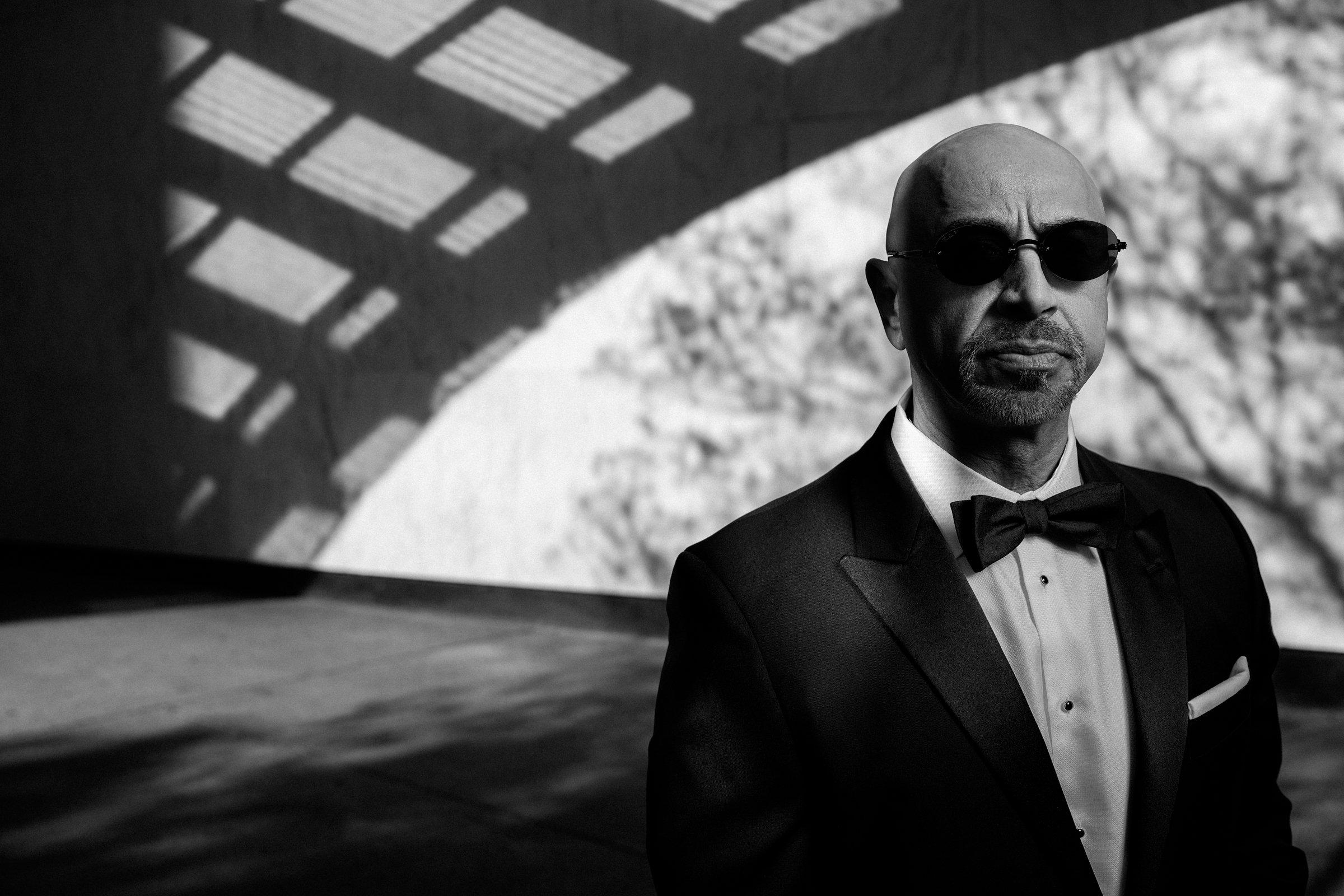
Ironically, those shoots often produce some of the most valuable work I make all year.
A Creative Reset for Photographers
When you photograph professionally long enough, it’s easy to fall into patterns. Certain lighting setups. Certain compositions. Certain ways of directing people in front of the camera.
Client work often rewards consistency.
Personal work gives you the freedom to break those patterns.
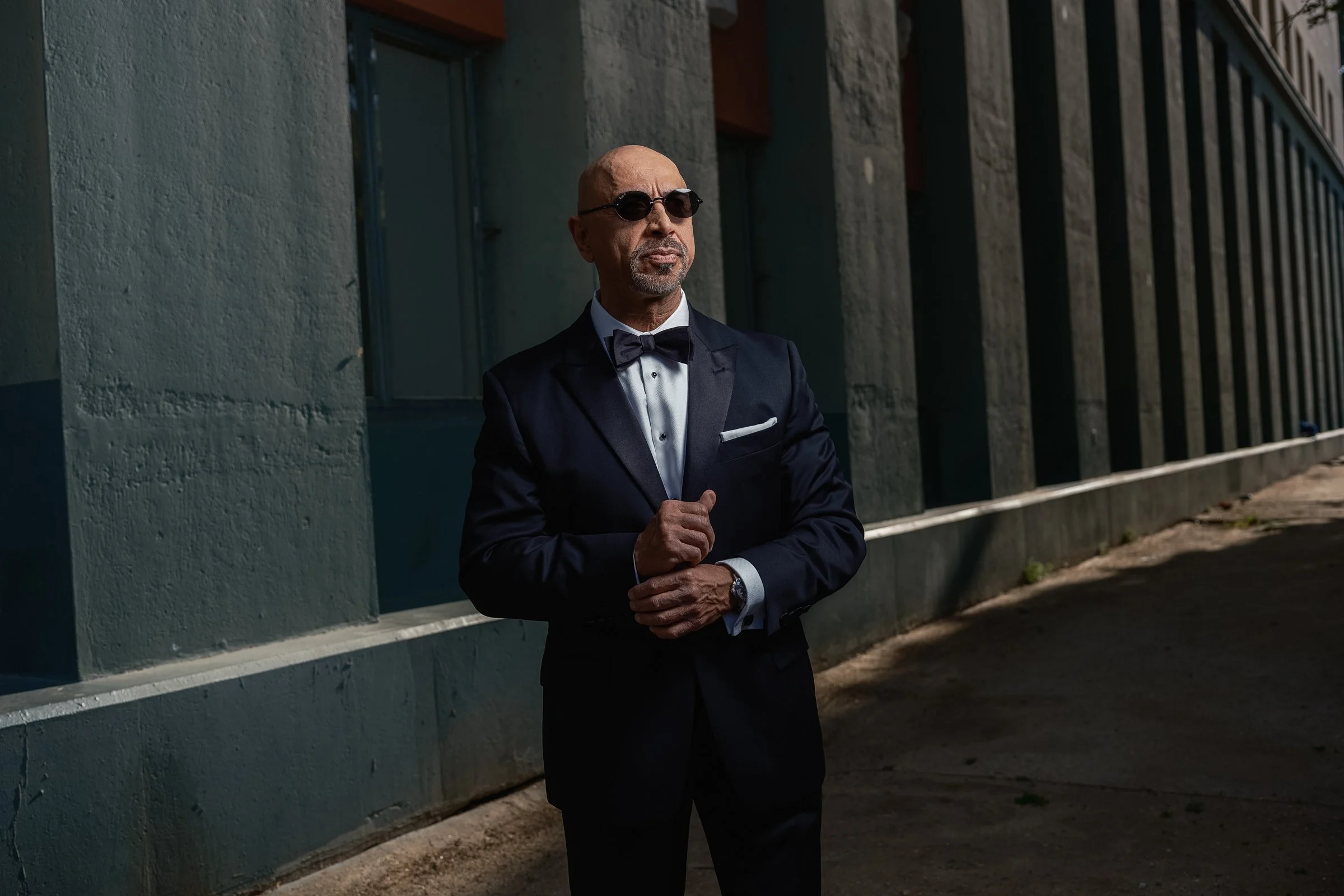
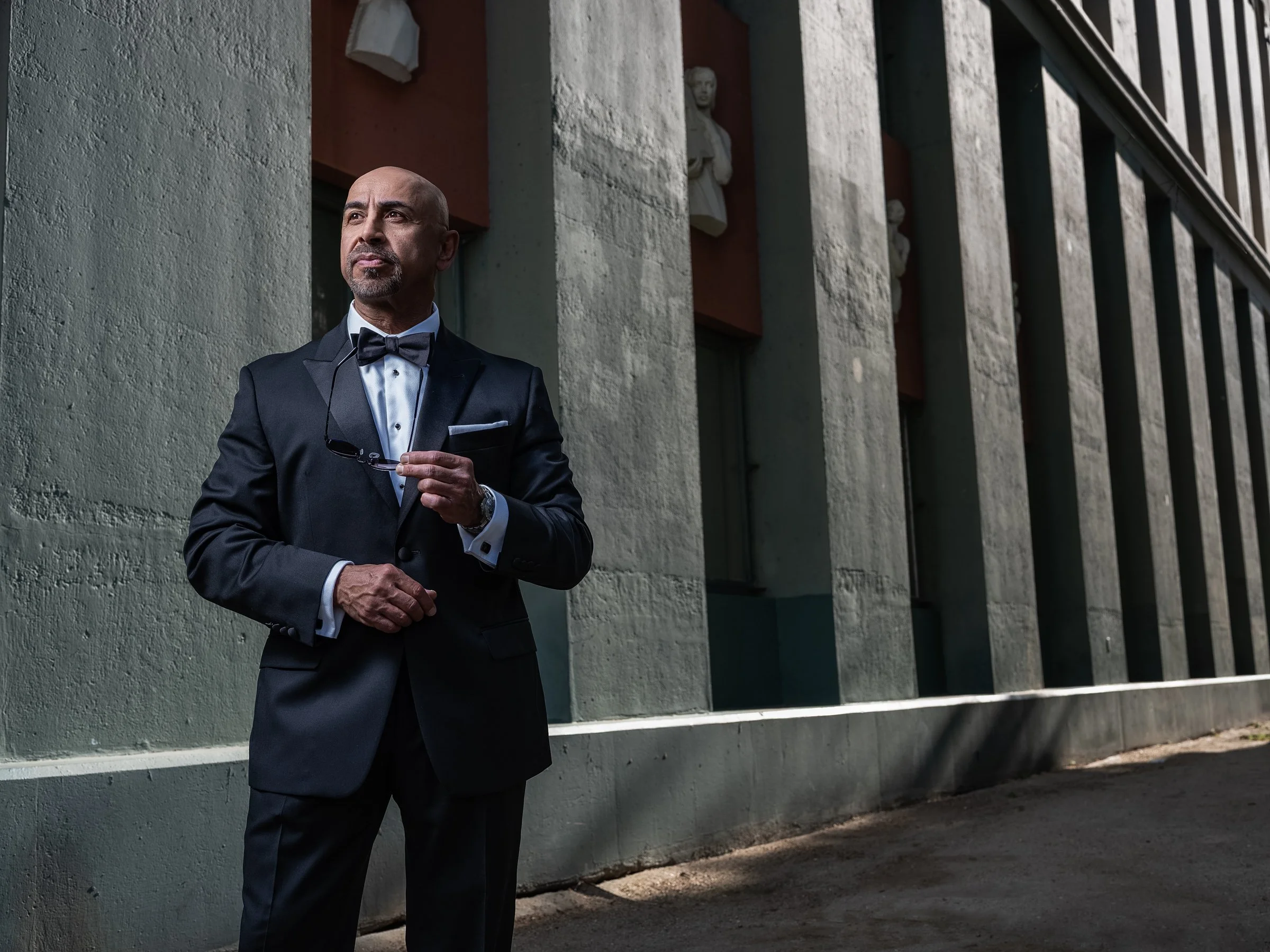
A recent portrait session with my friend Sam Altawil in downtown Sacramento reminded me why that freedom matters. Sam had just picked up a new tuxedo and we thought it would be fun to meet early in the morning and make some portraits around the city.
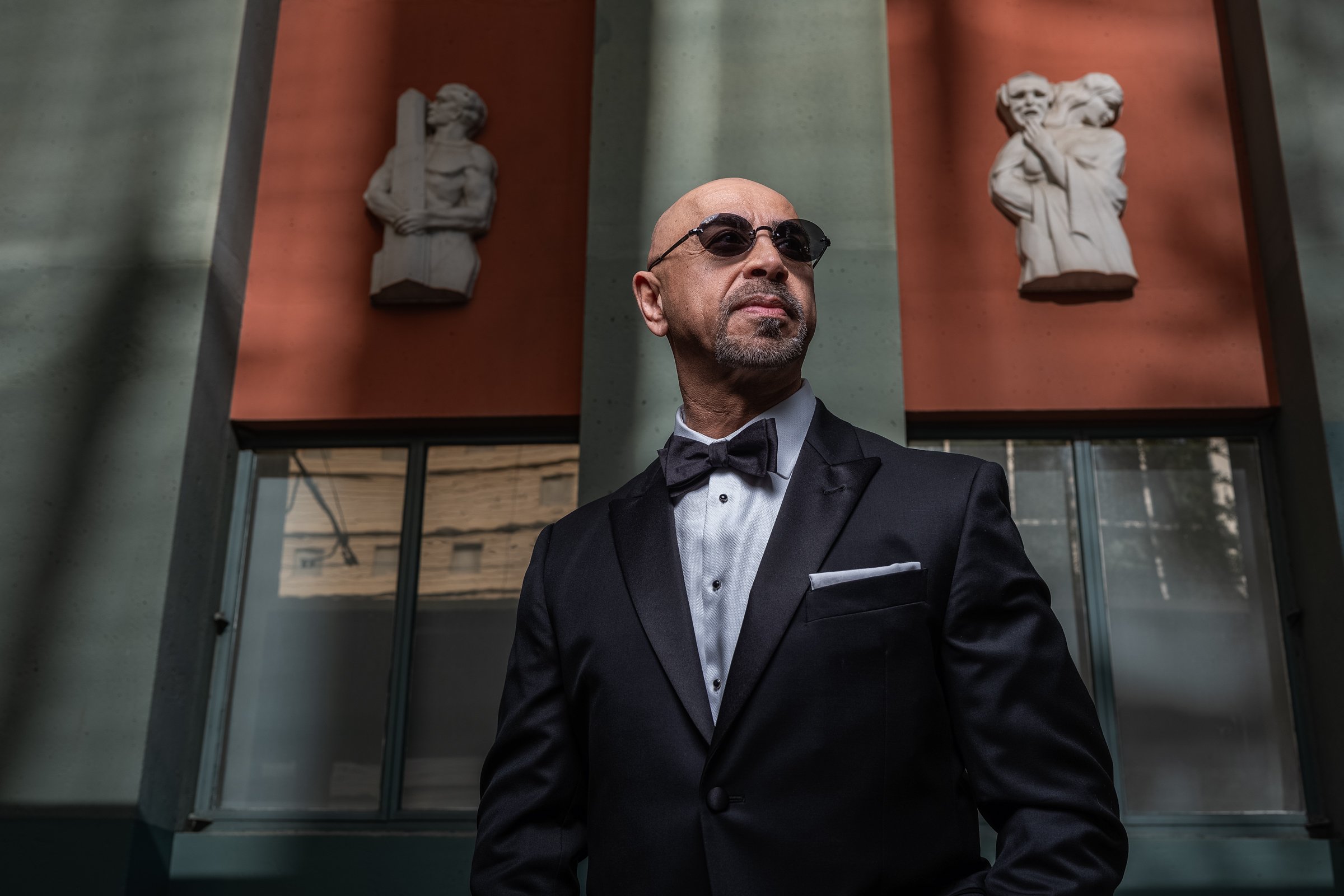
There was no assignment attached to the shoot. The goal was simply to see what we could create.
That freedom changes the way you approach photography. You notice light differently. You take more risks. You try ideas that might fail. And sometimes those ideas eventually find their way into your professional work.
Experimenting With Portrait Lighting
One of the things I wanted to explore during this shoot was working with a simple lighting setup and letting the environment play a role in shaping the portrait.
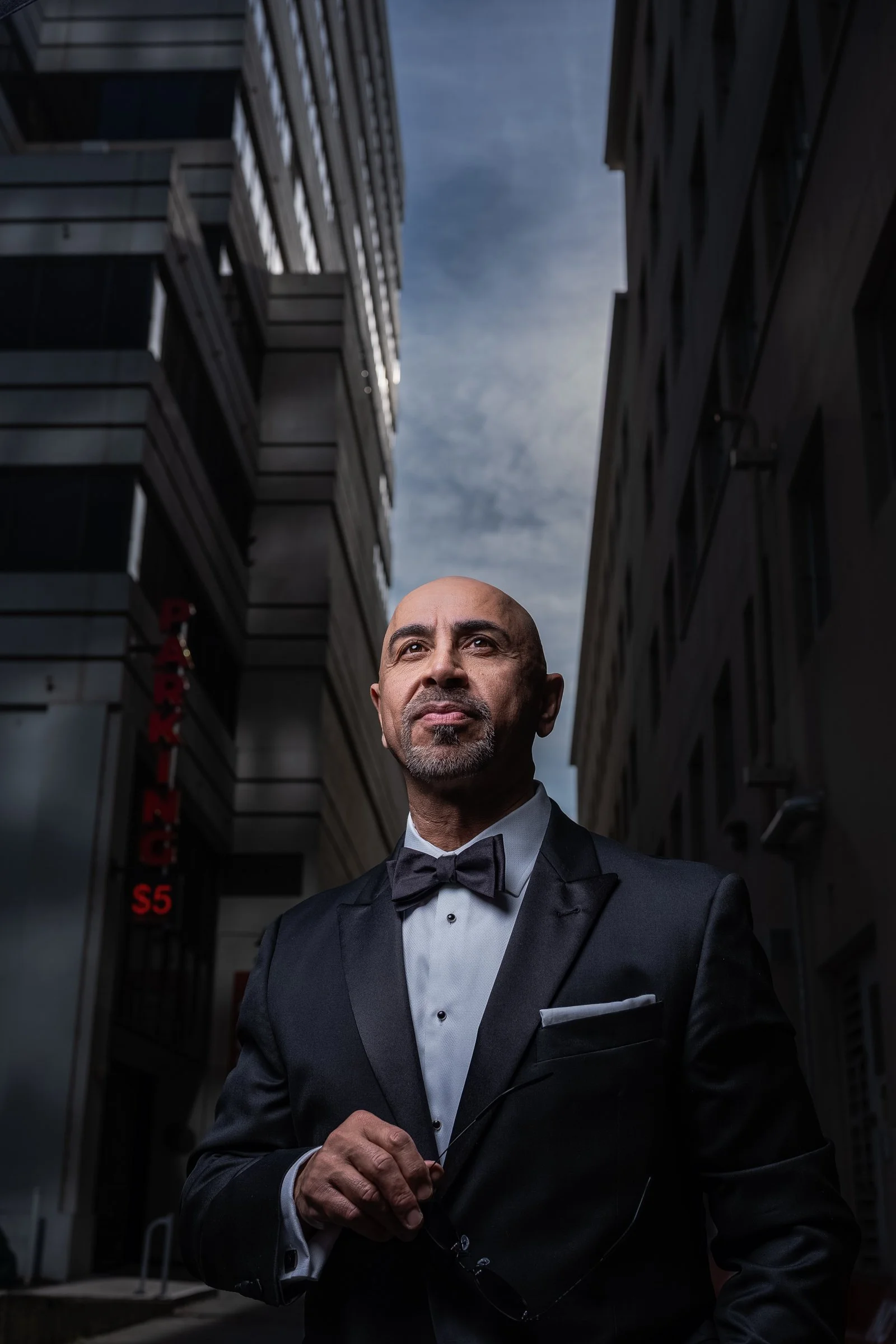
Downtown Sacramento is a great place for portrait photography because light reflects off glass, concrete, and nearby buildings. Those reflections create natural patterns of light and shadow that can dramatically change the mood of a photograph.
By combining a single strobe with the reflections already present in the environment, the lighting becomes more dynamic without needing a complicated setup.
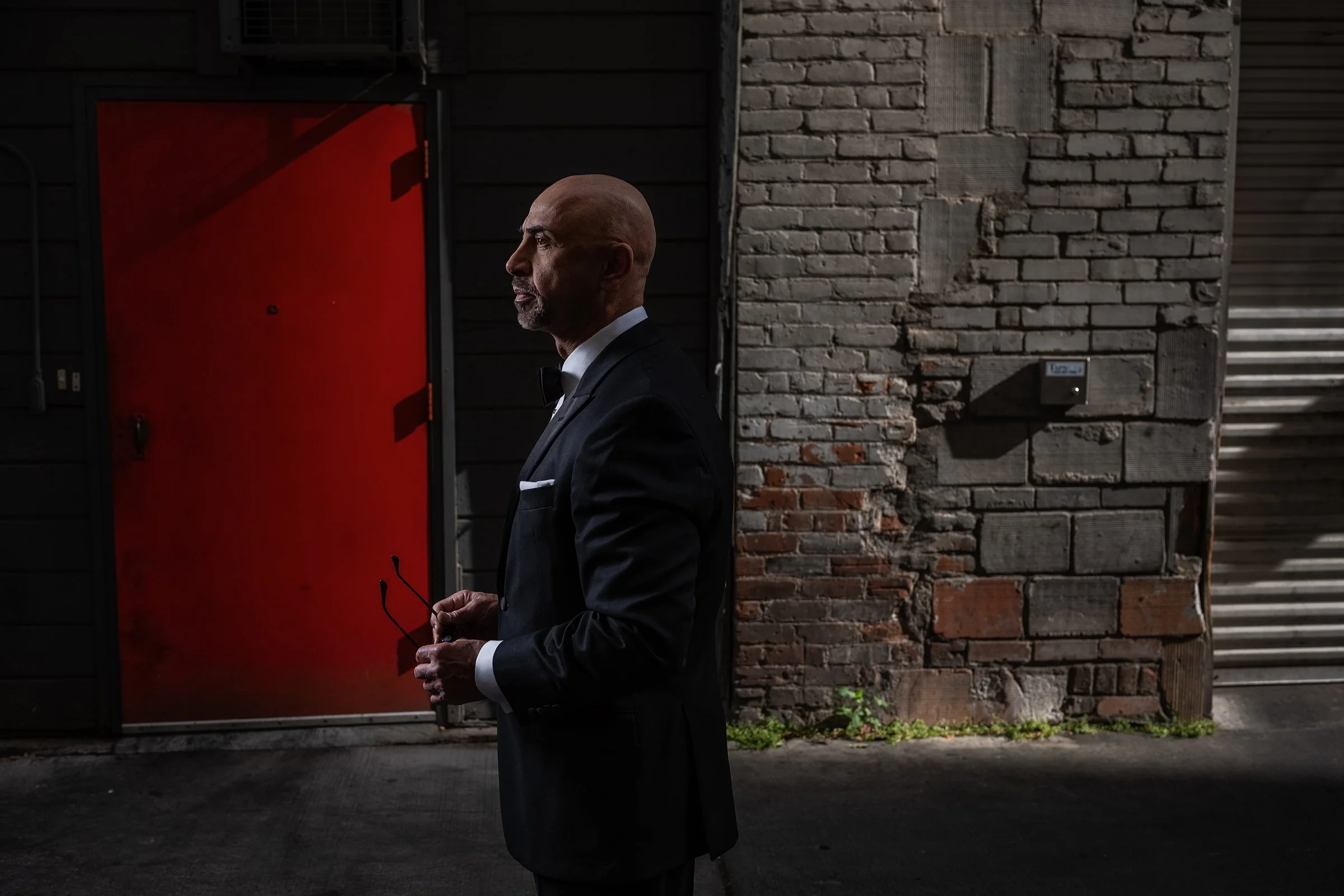
Shoots like this are where you refine technique. You learn how light behaves in real environments. You see how subtle changes in position affect the mood of a photograph. And sometimes you rediscover gear or techniques you haven’t used in a while.
Those lessons almost always carry forward into future assignments.
Changing Up the Gear
For this shoot, most of the images were made using the Fujifilm GFX50S II paired with a 50mm lens.
The 50mm isn’t a lens I use all the time on that camera system, which made this the perfect opportunity to pull it back out and spend some time working with it again. Like most photographers, I tend to fall into habits with gear and reach for the same lenses repeatedly.
Personal projects are a great excuse to break those habits.
Working with a lens you don’t use every day forces you to think differently about composition, distance, and framing. It’s a small shift, but it often leads to new ideas or perspectives you might not have explored otherwise.
For lighting, I kept things simple and used a Godox AD600 Pro, which has been a rock-solid light for me for years. I’ve worked with a lot of different lighting systems over time, and the AD600 Pro has proven to be incredibly reliable on location.
The light was paired with a Phottix G-Capsule 85cm softbox, which provided a soft, controlled light source while still being compact enough to move quickly between locations.
That combination made it easy to work fast while still shaping the light in a way that complemented the architecture and natural reflections around us.
Another benefit of personal shoots like this is that they allow you to put your gear into situations you might not normally encounter on an assignment. That kind of experimentation keeps you comfortable and confident with your equipment.
Photography Is Also About People
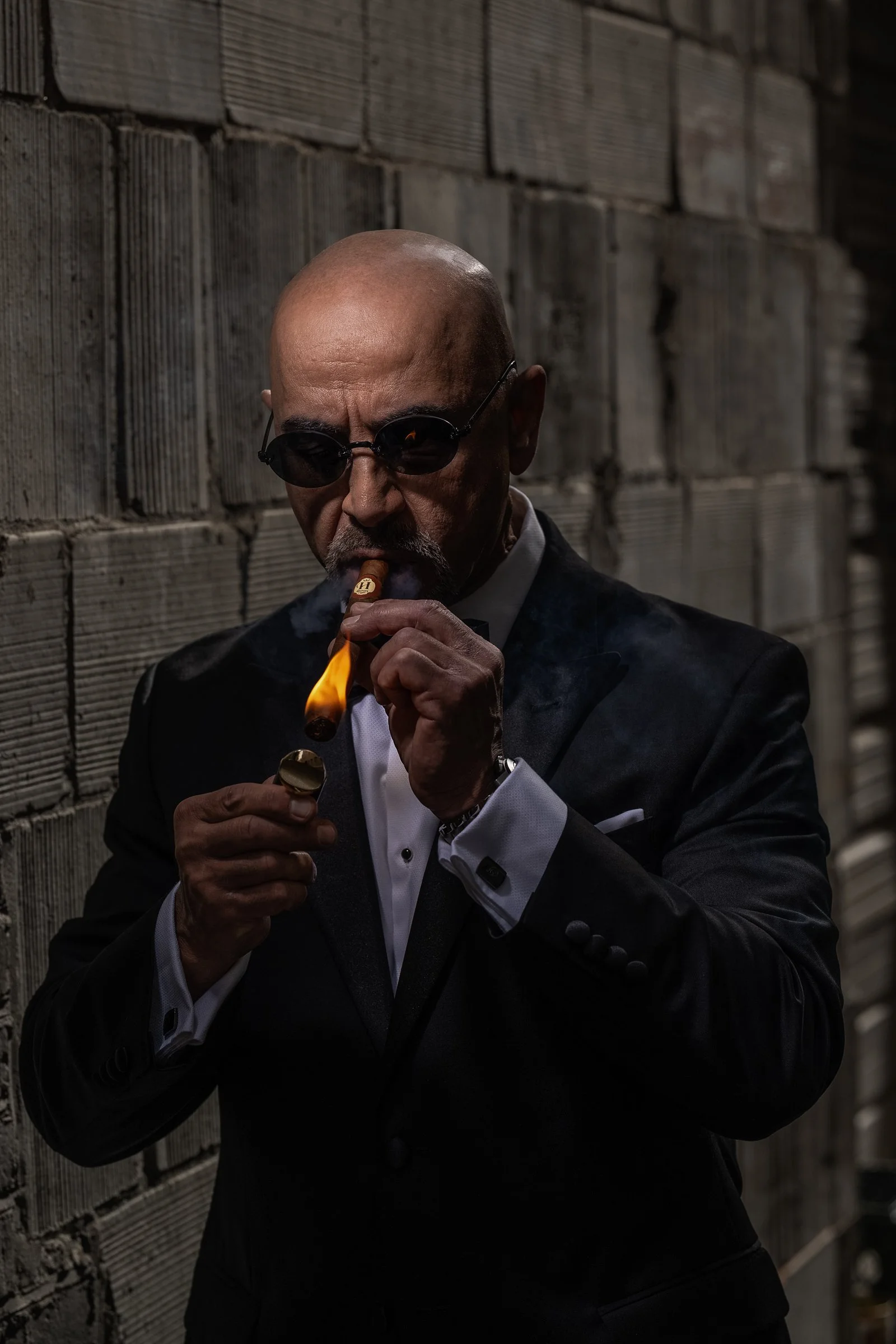
There’s another benefit to personal projects that often gets overlooked.
They reconnect photography with people.
When photography becomes your profession, it can start to feel transactional. Clients, schedules, deliverables, timelines.
Personal shoots bring back the human side of the craft.
Meeting a friend early in the morning to make photographs feels very different from walking into a scheduled assignment. Conversations are relaxed. Ideas flow naturally. And sometimes the best images happen between poses rather than during them.
That kind of environment often produces portraits that feel more authentic.
Personal Work Often Becomes Your Best Work
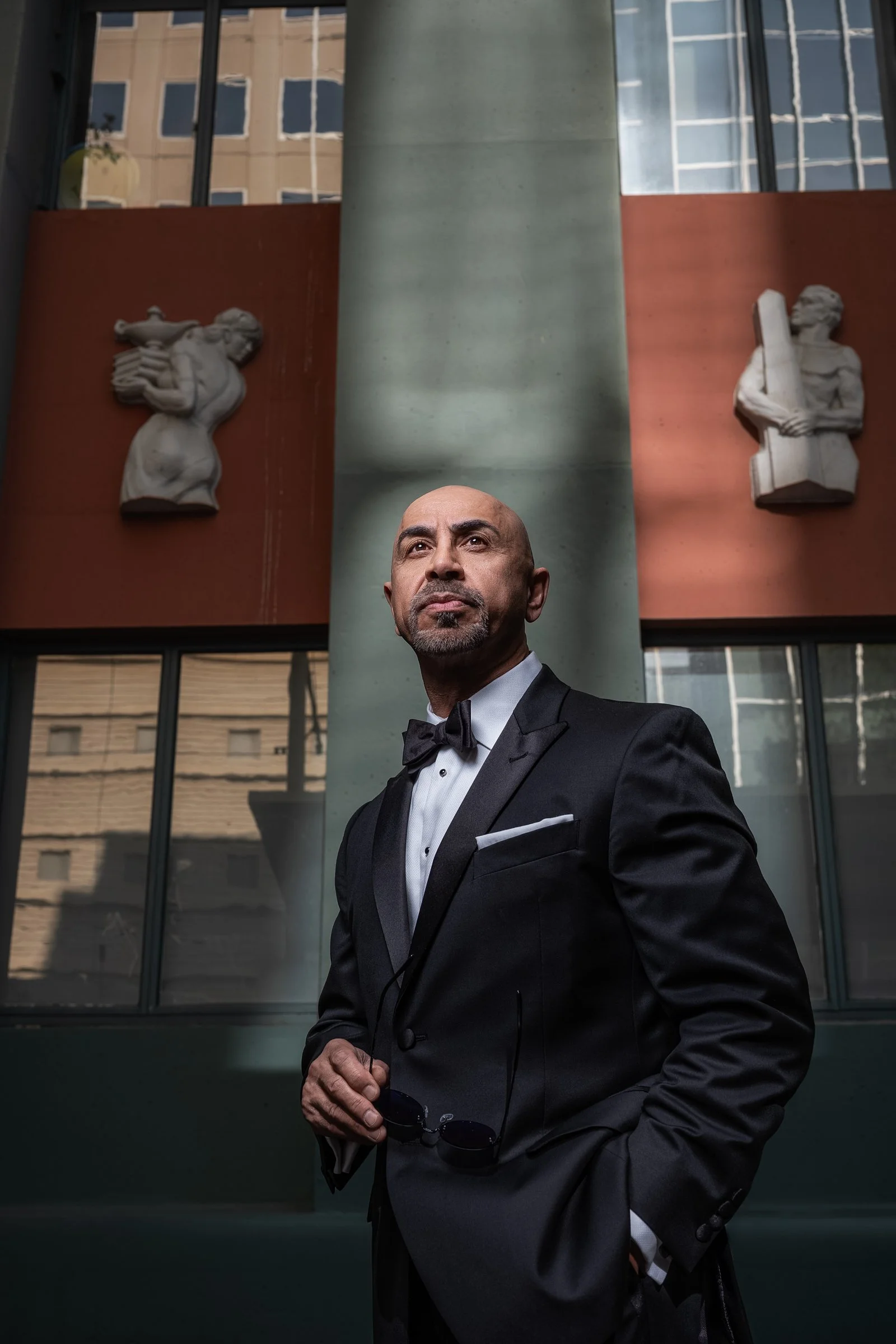
Another interesting thing happens with personal photography projects.
Because they’re driven by curiosity instead of obligation, they often attract more attention.
Some of the images people comment on the most—whether online or in person—come from shoots that started as nothing more than experimentation. Other photographers notice the lighting. Clients notice the style. Models notice the energy of the images.
In many ways, personal work becomes the work that defines your voice as a photographer.
Moving Forward in 2026
One of the things I realized while reflecting on last year is that personal work shouldn’t be something you do only when you have spare time.
It should be part of the creative process.
Going into 2026 I’m making a point to schedule more of these shoots—meeting interesting people, exploring locations around Sacramento, and experimenting with portrait lighting and ideas.
Not because a client asked for it.
But because that’s often where the most rewarding photographs happen.
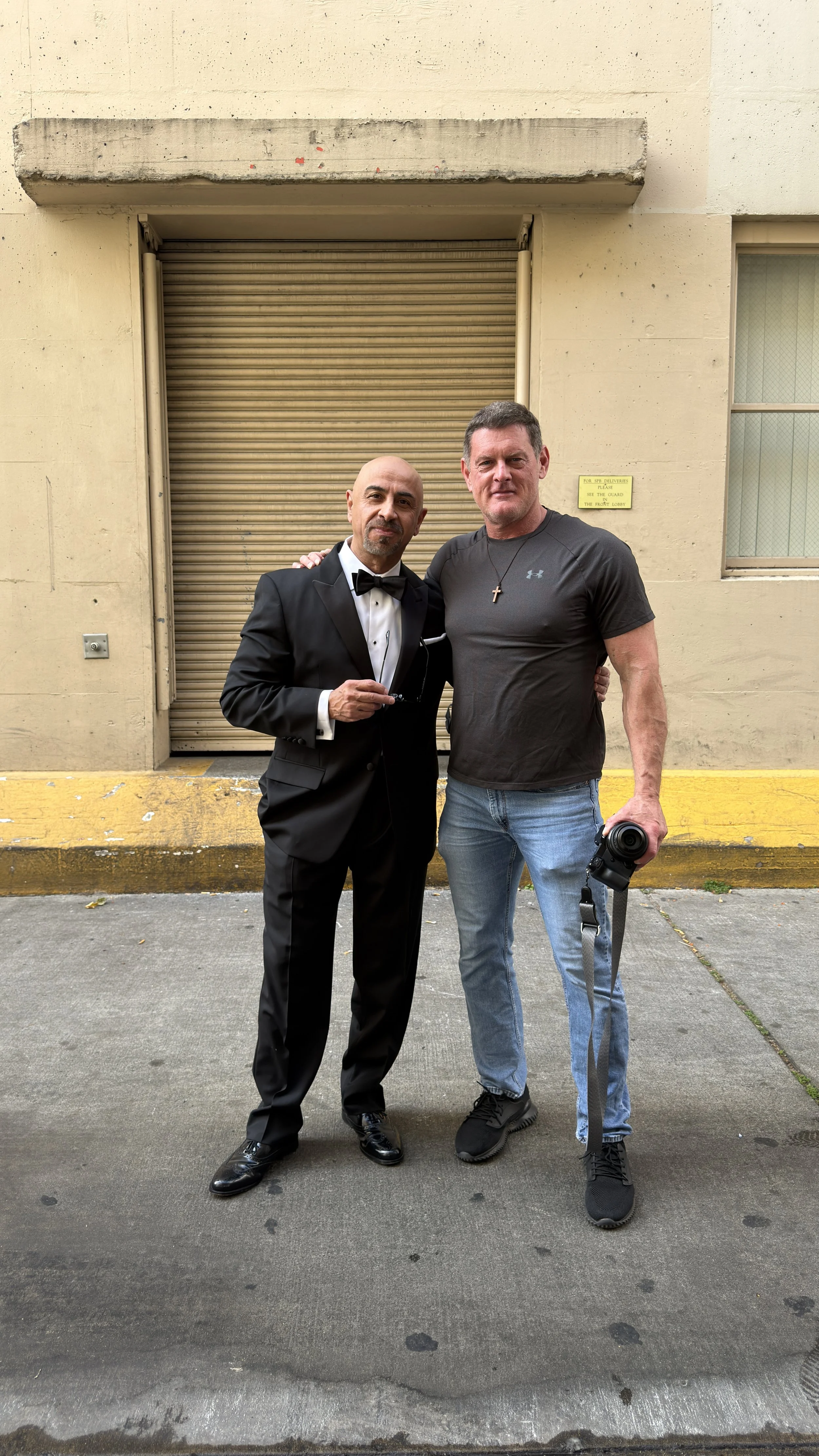
Great morning in downtown Sacramento making portraits with my friend Sam Altawil.Sam had just picked up a new tuxedo and it felt like the perfect excuse to head downtown and make a few images. We kept the lighting simple and just explored the city for a while seeing what we could create.
Shoots like this are always a good reminder of why I started photographing in the first place.
Good friends, good light, and a camera.
And in many cases, those personal projects end up shaping the way I approach portrait photography, lighting, and creative direction in my work as a Sacramento photographer.